Peruvian lawmaker Milagros Jáuregui has demanded the removal of pre-Columbian erotic pottery from public spaces in Peru, igniting a fierce debate over cultural heritage and child welfare.
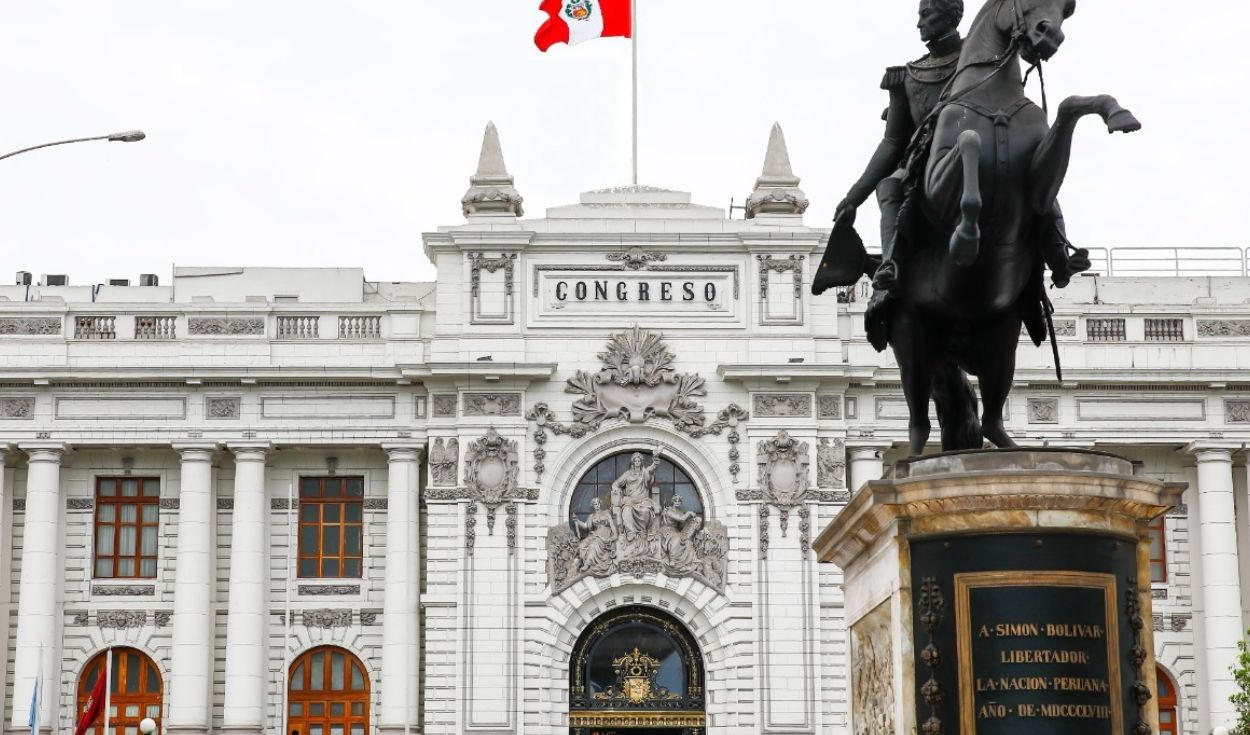
The conservative parliamentarian presented her proposal before the congressional Culture Commission as well as the Decentralization, Regionalization and Local Governments Commission. She insisted that public displays of the ancient ceramic figures damage children by awakening them to sexual feelings before they are neurologically prepared.
Jáuregui argued that the ceramic pieces, known historically as erotic huacos, must be exhibited exclusively in enclosed facilities rather than open plazas or public parks. Her initiative revives legislative bill PL 3383/2022-CR, which she originally submitted to the Congress of the Republic four years ago under a campaign focused on child protection.
Huacos are traditional pre-Columbian ceramic vessels produced by ancient civilizations such as the Moche culture along Peru's northern coast. Many of these archaeological artifacts depict explicit sexual acts, fertility rituals, and intimate poses, and they have long been celebrated in Peruvian museums and municipal monuments as significant symbols of indigenous artistic expression.
Legislative push and controversial backing
Jáuregui told fellow lawmakers that she held working sessions with psychiatrists and psychologists who endorsed her claims regarding childhood development. However, she did not disclose the names of any medical professionals who supported the assertions made during those meetings.
The only supporting evidence cited in her original legislative proposal was a written opinion from Gabriel Flores Ciani, an Argentine psychologist known for advising far-right, evangelical, and anti-abortion organizations. Flores Ciani asserted that exposure to erotic imagery produces emotional disruptions in minors that can trigger negative consequences throughout their lives.
The legislative proposal has drawn sustained criticism from mental health professionals and civil society groups in Lima. Clinical experts point out that no credible scientific research attributes neurological or emotional damage to the observation of archaeological relics or cultural artwork, noting that early exposure to internet pornography represents the genuine risk factor for youth.
Dr. Gary Manuel Rivera Molina, a clinical psychologist with the Ministry of Health of Peru and a member of the Peruvian Association of Sexology, Health and Sex Education, addressed the controversy by emphasizing developmental communication. He stressed that children's natural curiosity about anatomical and cultural images should be answered through calm, simple dialogue by parents rather than public bans.
Television defense and education dispute
As public criticism and satire mounted across social platforms, fellow conservative lawmaker Paola Martínez of the Renovación Popular party appeared on RPP TV to defend the proposed restrictions. Martínez claimed that contemporary Peruvian society is hypersexualized and stated that local educational management units and regional directorates possess reports showing children beginning sexual relations inside primary and secondary schools.
The claim prompted immediate scrutiny from academic and civic monitors. Natalia Manso, a professor at Pacífico Business School who analyzed the bill for the national newspaper La República, found no evidence that such administrative reports exist and filed a formal petition under public transparency laws with the Ministry of Education requesting their release.
Manso criticized lawmakers for advancing legislation built on unverified assertions, arguing that invoking child protection while eliminating comprehensive sexual education in state schools creates real social harm. She pointed out that public policy should rely on rigorous epidemiological data rather than partisan talking points.
Demographic data and sexual health realities
Official public health statistics contradict the claim that early sexual activity is accelerating across the country. According to the National Demographic and Family Health Survey, known as ENDES and published annually by the National Institute of Statistics and Informatics, the median age of first sexual intercourse for Peruvian women aged 25 to 49 stood at 18.2 years in 2025, showing no significant variation over the past five years.
The statistical survey highlighted noticeable geographic and demographic disparities across Peru. Women in the Amazon jungle region recorded the earliest onset of sexual relations at an average age of 16.8 years, whereas women in coastal cities and Andean highland communities tied at an average of 18.5 years.
Ethnic self-identification also correlated with differing timelines, with women identifying as white reporting the earliest average sexual initiation at 17.8 years, compared to mestiza women who reported the latest average at 18.4 years. The survey gathers reproductive data exclusively from female respondents, leaving male sexual practices unexamined.
Manso highlighted that the country's most urgent challenges involve sexual violence and alarming informational deficits regarding reproductive protection. Survey findings revealed that four out of ten surveyed women did not use a condom during their first sexual experience, 17.3 percent did not know that condoms prevent HIV transmission, and half of the respondents who practiced periodic abstinence could not identify their fertile window.
Companion commentaries and broader cultural debate
Manso's analysis, published under the title Legislative Impotence, formed part of a broader package of cultural, political, and institutional commentaries published alongside the controversy in Lima.
Visual artist Teresa Bracamonte contributed an exploration of identity and self-portraiture, examining how beauty functions as a social ideal that conditions how individuals perceive themselves and are received by others. She observed that conforming to rigid aesthetic standards can open social doors but also generates prejudice, noting that using her own body as an artistic medium risks having audiences focus solely on superficial appearance rather than underlying artistic questions.
International relations analyst Sebastien Adins examined South American geopolitical dynamics in a commentary on the Brazilian presidency. Adins wrote that Brazil remains an influential regional power with the potential to play an expanded role in international affairs, urging Peruvian foreign policymakers to ground their diplomatic engagement in pragmatism and mutual economic interests.
In the southern city of Arequipa, cultural curator Carlos Caamaño reported on an exhibition titled Una trinchera at the Hay Festival Arequipa. The exhibition assembled photographers and visual artists from two cities to document the physical transformation of urban and suburban landscapes, capturing how architectural changes intersect with evolving sociocultural dynamics.
Addressing legislative governance, legal scholar Nicolás Ayala Badillo contributed a perspective on institutional reform amid public frustration with Congress. Ayala Badillo suggested that lawmakers establish and strengthen bicameral conference mechanisms to resolve statutory disagreements and improve legislative drafting, arguing that procedural upgrades could restore institutional integrity in the absence of political consensus for broader constitutional change.