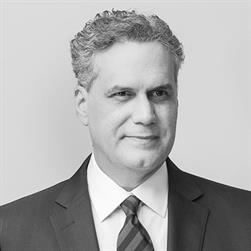
More than half of Spaniards have reduced their food consumption as rising retail prices force families across Spain to cut back on basic grocery spending, according to a financial report published by analyst Javier de Antonio on August 31, 2026.
Data shows that 52 percent of citizens in Spain admit to lowering their intake of certain foods due to cost increases. Many households have completely stopped buying meat or fish because they can no longer afford them.
Faced with tighter household budgets, shoppers are increasingly replacing leading brand items with cheaper store brands and white label alternatives. Consumers are also paying closer attention to the prices of daily staples such as eggs, fruit, and vegetables before filling their baskets.
The financial pressure on families extends beyond supermarket aisles. Monthly salaries are purchasing progressively less as households face fixed recurring payments for electricity bills, gasoline, mortgages, and rent.
Shopping habits and economic strain
Despite widespread cuts to family grocery budgets, the Spanish government remains focused on macroeconomic figures, citing national economic growth, job creation, and financial resilience. De Antonio noted that official policy is failing to address the vital daily realities of millions of citizens struggling to meet basic needs.
Spain is the fourth largest economy in the euro area, where national economic performance is tracked primarily through gross domestic product metrics and employment statistics. Gross domestic product measures the monetary value of all final goods and services produced within a country over a specific period.
Economic decisions in Madrid are overseen by the Council of Ministers, known in Spain as the Consejo de Ministros. The cabinet serves as the executive governing body responsible for setting tax rates, directing public expenditure, and managing national fiscal policy.
De Antonio warned that official self-complacency is shrinking Spain's middle class while pushing lower income families toward charitable food queues to secure basic nutrition.
Macroeconomic indicators and living standards
The financial strain on households comes during a period when Spain's gross domestic product and government tax revenues have increased at record rates. De Antonio stated that rising tax collection and macroeconomic growth hold little value if they fail to translate into tangible purchasing power for working citizens.
In retail markets, store brands and white label products refer to goods produced for supermarket chains as lower-cost alternatives to major consumer brands. Meanwhile, charitable food distribution networks, commonly referred to as food queues in Spain, provide essential food assistance to low income residents facing severe budget shortfalls.
De Antonio argued that governing effectively requires ministers to act proactively to protect family purchasing power. He stated that the government must prevent inflation, energy costs, and deteriorating economic conditions from converting middle class households into financially vulnerable groups.
The report concluded that behind every economic percentage point are citizens making previously unthinkable financial choices, including postponing expenses and reducing daily consumption. De Antonio stated that economic growth is meaningless if used merely as a political showcase, warning that without genuine prosperity for workers and taxpayers, the government's policy record will represent an absolute failure.