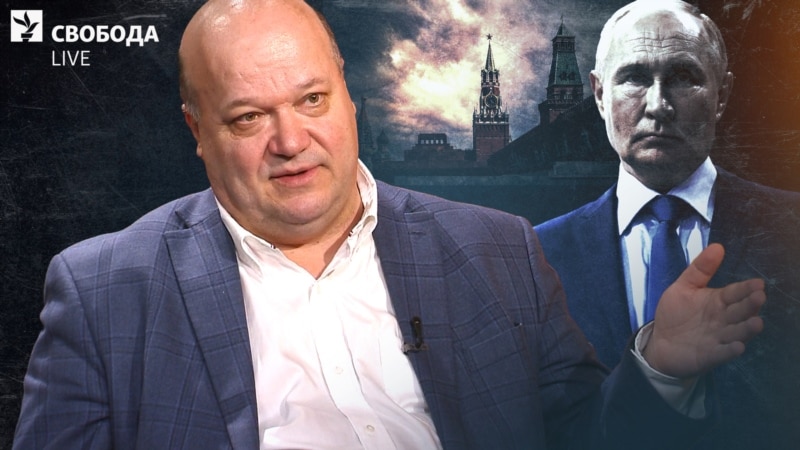
Former Ukrainian ambassador to the United States Valeriy Chalyi has warned that international commercial airlines will alter flight routes to avoid Russian airspace following growing security risks.
Speaking in an interview with Radio Free Europe/Radio Liberty, Chalyi stated that warnings issued by Ukrainian leaders regarding hazards in Russian airspace will carry financial and operational consequences for global aviation. He said insurance providers and international carriers will view Russian skies as a high-risk zone, forcing companies to reroute flights around dangerous areas and driving up expenses.
Chalyi predicted that airlines based in the Middle East will be the first to adjust their travel paths. He explained that these companies operate modern aircraft fleets and will avoid taking risks or bearing uncompensated financial losses, leading them to quietly alter flight paths without issuing public announcements. The diplomat added that recent Russian strikes targeting Ukrainian warehouses represent an attempt to mimic military tactics previously deployed by Ukrainian forces.
Chalyi served as Kyiv's ambassador to Washington between 2015 and 2019 and currently heads the board of the Ukrainian Crisis Media Center, a non-governmental public diplomacy organisation based in Kyiv. Radio Free Europe/Radio Liberty is an independent media outlet funded through the United States Congress that covers political and security developments across Eastern Europe.
Aviation disruption and self-defence rights
Addressing Ukraine's retaliatory capabilities, Chalyi emphasized that Kyiv possesses full legal authority to defend its territory under international law. He cited Article 51 of the United Nations Charter, noting that Ukraine's right to self-defence extends to the operational use of unmanned aerial vehicles against military targets inside Russia.
Article 51 of the United Nations Charter explicitly preserves the inherent right of sovereign states to individual or collective self-defence if an armed attack occurs against a member state. Military aviation experts have noted that extended drone operations could severely disrupt civilian air traffic across western Russia, potentially bringing commercial aviation in key regions to a standstill.
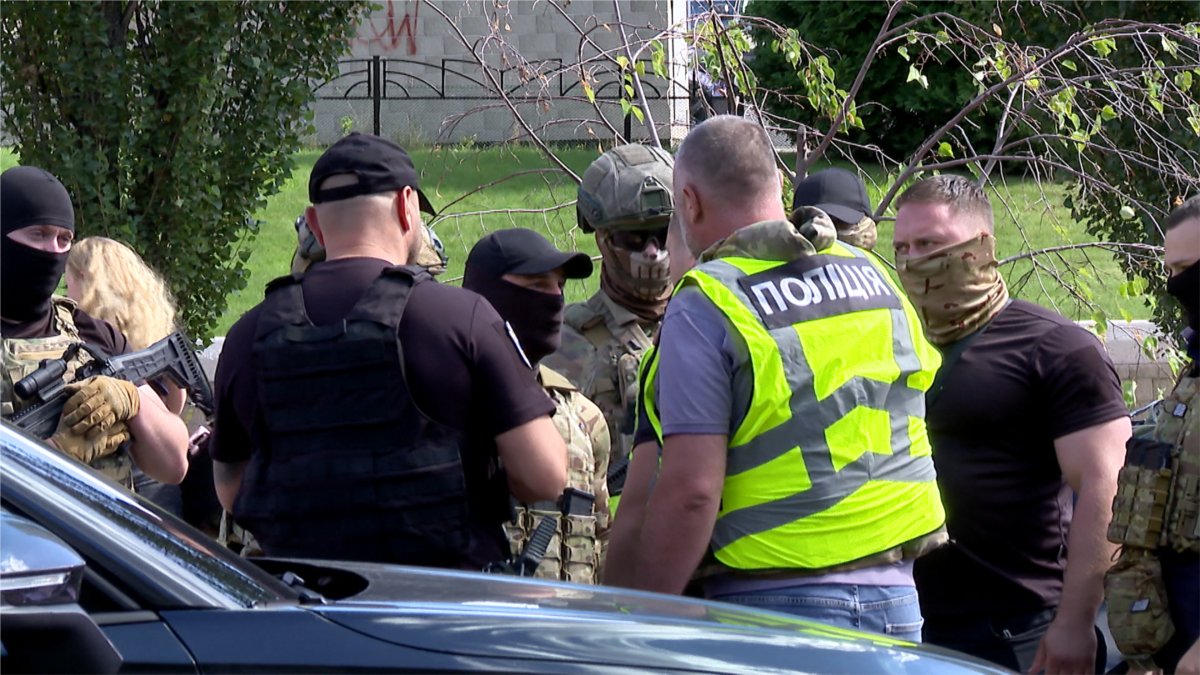
The diplomat also evaluated internal security dynamics in Kyiv following reports of an armed confrontation involving the Security Service of Ukraine and the Main Directorate of Intelligence. The incident, which raised questions regarding potential targeting of intelligence chief Kyrylo Budanov, prompted discussion over whether the response from President Volodymyr Zelenskyy has been sufficient to resolve friction between the agencies.
The Security Service of Ukraine functions as the primary internal security and counter-intelligence organ of the state, while the Main Directorate of Intelligence operates under the Ministry of Defence as Ukraine's military intelligence service. Maintaining coordination between internal security and military intelligence is critical for Kyiv during ongoing wartime operations.

Economic impacts and international diplomacy
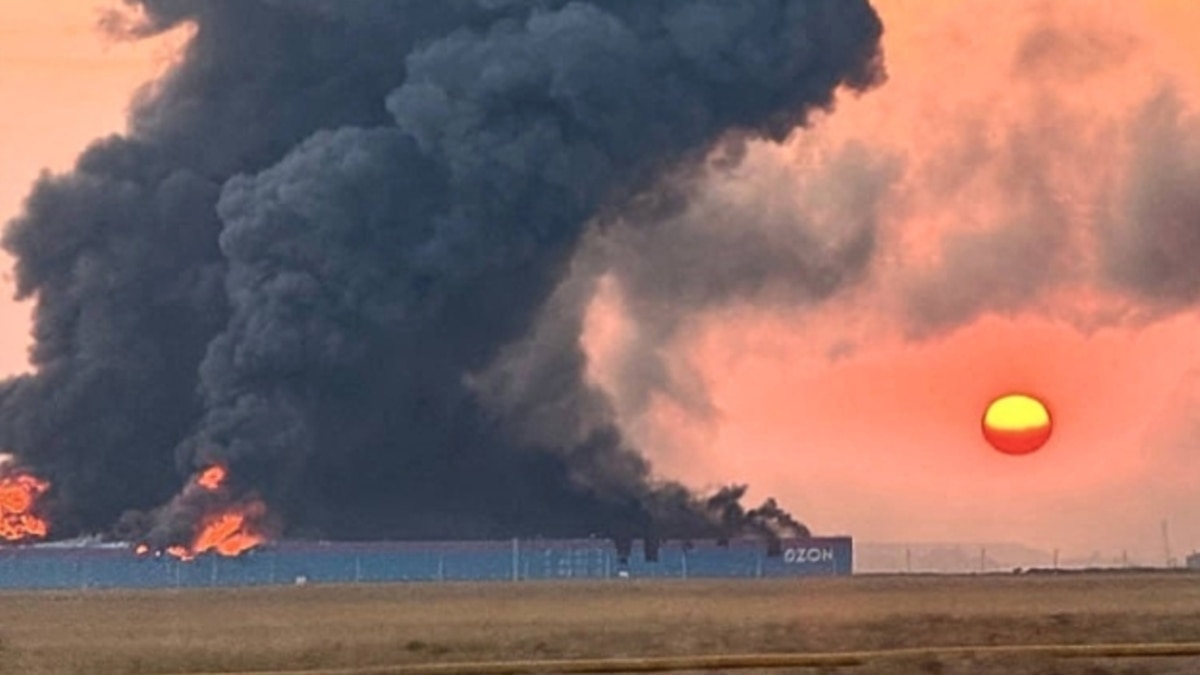
Infrastructure and commercial facilities have faced increasing impacts as the air conflict expands. Ukrainian leaders confirmed that a Russian drone struck a Coca-Cola manufacturing plant located in the Kyiv region. Meanwhile, Ukrainian strikes targeting major Russian e-commerce companies, including Ozon and Wildberries, have brought the reality of the war directly to Russian consumers and created potential political threats for the regime of President Vladimir Putin.
Ozon and Wildberries dominate Russia's digital retail market, handling millions of daily consumer orders across the country. The Kyiv region houses major industrial corridors outside the Ukrainian capital, where international manufacturing facilities have operated for decades.
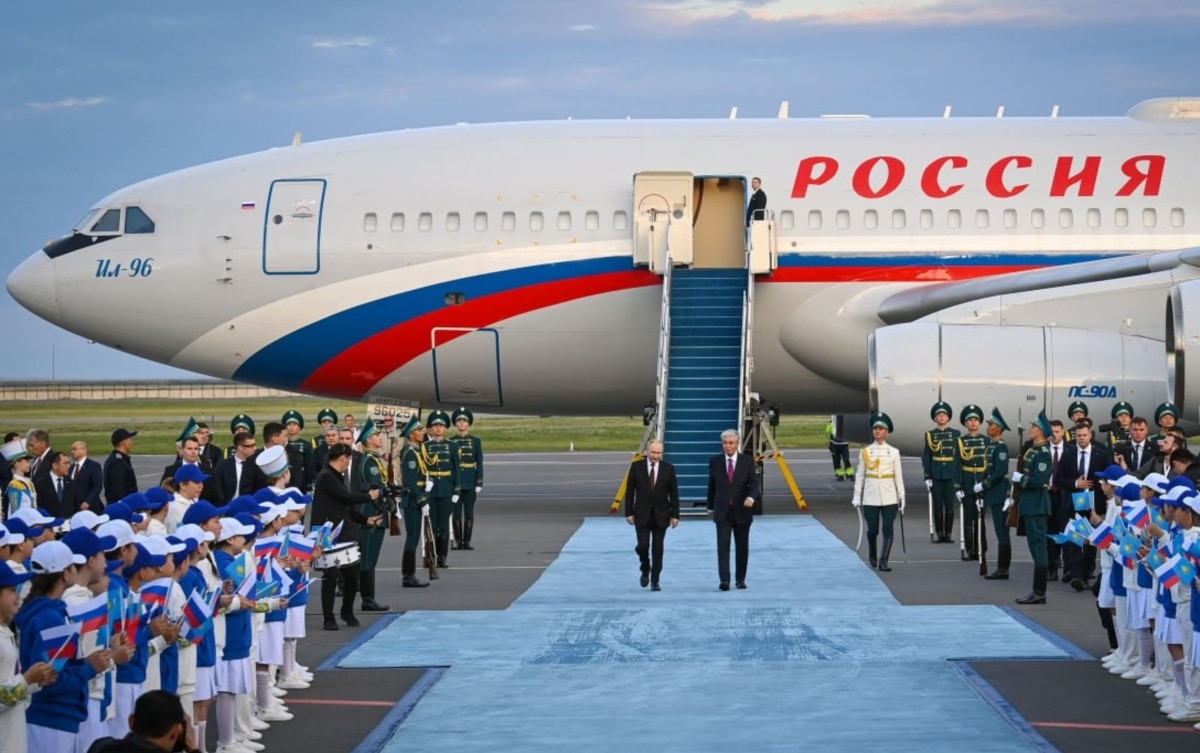
On the international stage, Chalyi outlined why the leadership of India has directly urged Putin to bring the war to an end. India, led by Prime Minister Narendra Modi, has maintained diplomatic relations with Moscow while consistently advocating for peaceful negotiation and an early cessation of hostilities.
Looking ahead, Chalyi detailed three potential pathways of further military escalation that could shape the next phase of the conflict for Ukraine and its regional partners. Analysts continue to monitor whether Ukrainian strikes on Russian infrastructure will force changes in Moscow's military posture and accelerate diplomatic efforts to end the fighting.