A particle just millimeters across and weighing only a few grams was enough to put Spain's SpainSat NG II military communications satellite out of service, according to Hisdesat, the company that operates it. Spain's Council of Ministers has now approved a reorganization of the financing for SpainSat NG III, the satellite due to replace it.
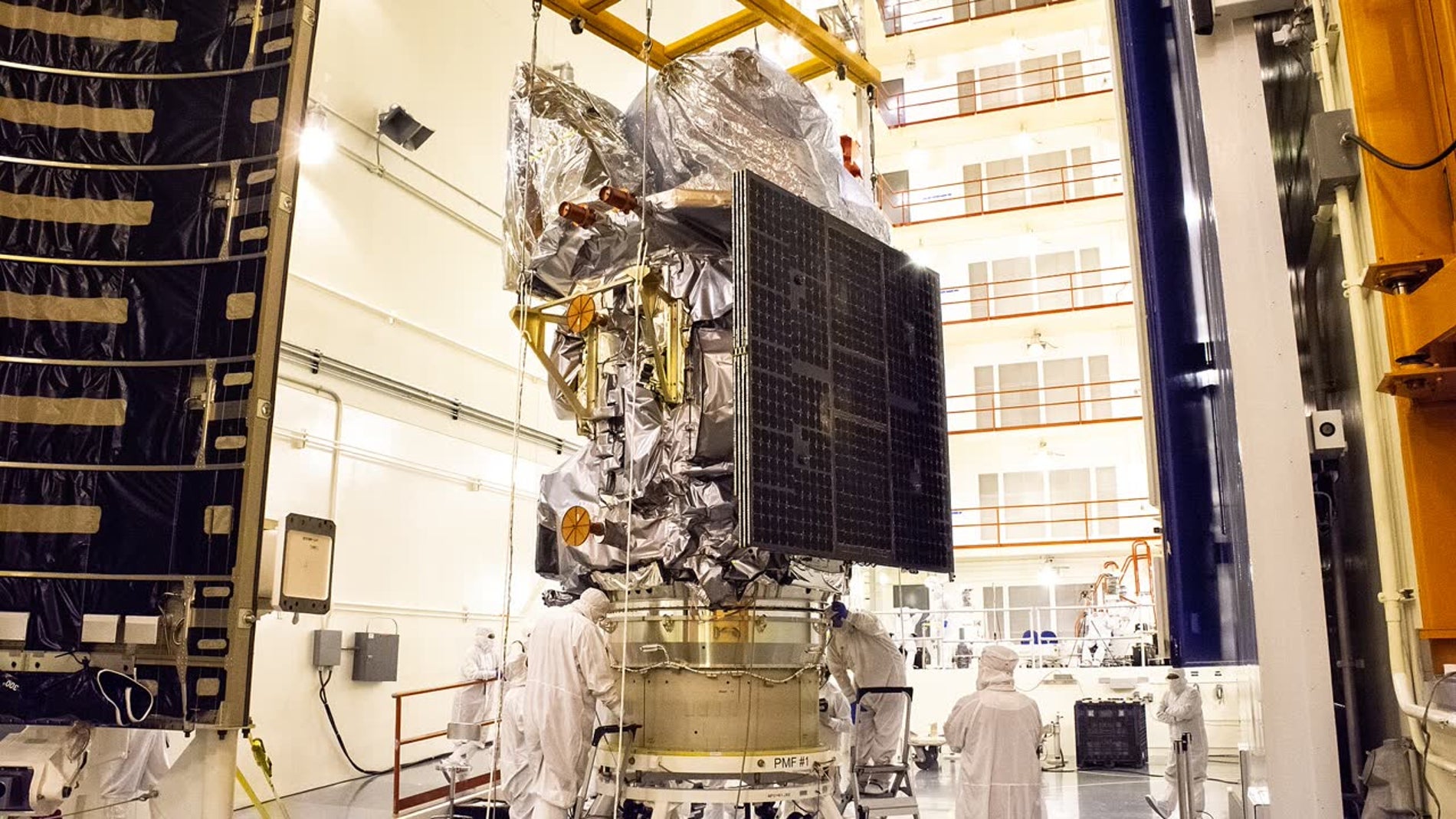
The agreement, approved on November 10, modifies spending limits for future fiscal years to cover the manufacturing, launch, testing and entry into operation of the new satellite. It authorizes 361,084,423.01 euros in additional financing within the program.
That figure comes from combining new financial commitments with adjustments made to the accounts of the earlier satellites in the program, and is not an estimate of the damage caused by the impact, according to the government.
Hisdesat is the Spanish company responsible for satellite communications used by the armed forces and government under contract with the Defense Ministry. SpainSat NG II was part of a generation of satellites meant to secure government and military communications, alongside an earlier satellite also known as SpainSat and a sister satellite, NG I.
An irreversible hit to a critical area
In a statement issued on January 16, Hisdesat said its analysis had ruled out recovering NG II for its intended mission. The company attributed the failure to a high-energy impact on a critical area of the spacecraft.
Hisdesat said the satellite remained intact and stable, in a highly eccentric orbit, and was not interfering with other space operations. The satellite was insured, the company said, and its loss did not represent a financial loss for Hisdesat.
Service continuity since the failure has relied on the other two satellites in the network, NG I and the earlier SpainSat. Recovering the capability SpainSat NG II was built to provide, rather than simply covering gaps with existing satellites, is the purpose of building NG III.
What changes in the financing
A table published by La Moncloa, the Spanish prime minister's office, assigns 580.5 million euros to the NG III column of the program and subtracts 219.4 million euros through the reprogramming of the earlier satellites. The difference between the two figures is the 361.1 million euros in new financing. Those commitments are spread out through 2045 and correspond to the broader contractual framework of the program, rather than to the isolated cost of building one satellite.
The decision follows an announcement by Airbus on July 31 that Hisdesat had awarded it the contract to develop and build NG III. The financing authorized this month does not start the replacement project from scratch. The industrial contract had already been granted, and the government is now adjusting the annual payments that sustain the capabilities Defense has under contract.
Airbus and Thales share the build
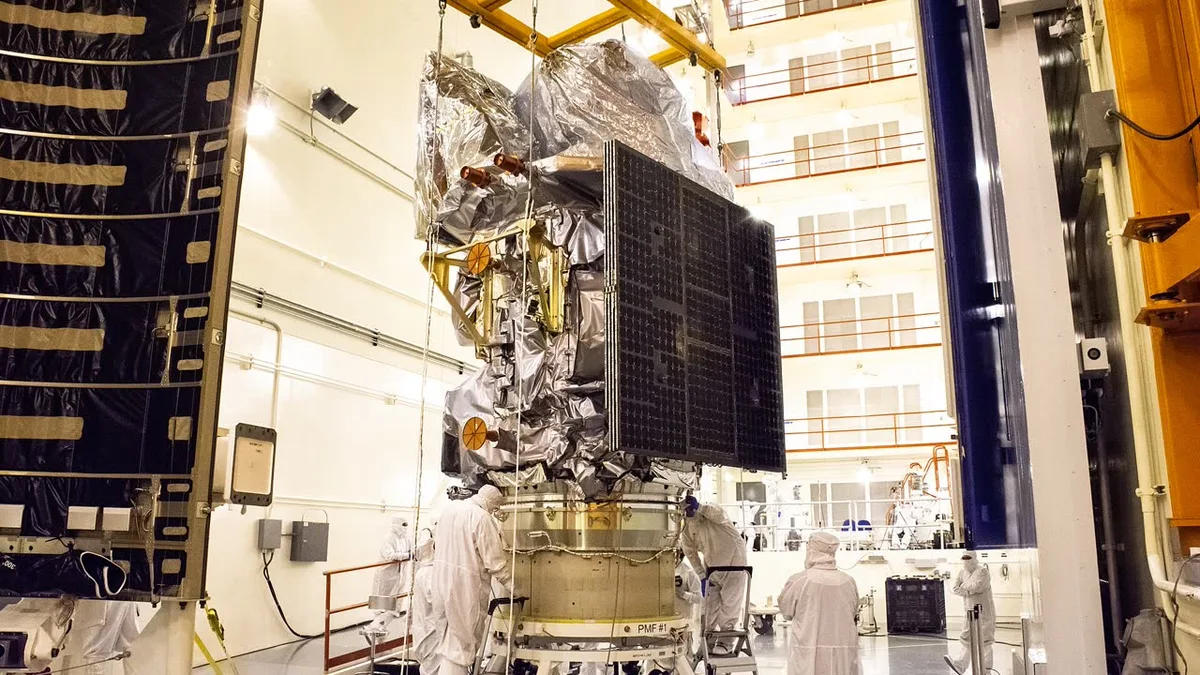
The new satellite will use the Eurostar Neo platform, the same satellite bus used by its predecessors, with technological upgrades. Airbus said the improvements would include greater operational agility, higher transmission capacity and stronger resistance to interference, a quality that matters in electronic warfare, where protecting the signal is as important as keeping the satellite itself working.
Airbus will be responsible for the satellite's design, integration and testing. Its teams in Spain will supply active X-band receive and transmit antennas, while Thales Alenia Space in Spain will lead the UHF and military Ka-band payloads.
The financing agreement covers the full process through to the satellite's entry into operation, including tests carried out after launch. NG III still has to complete that industrial and technical process. What changed this week is the calendar of economic commitments the Defense Ministry will use to sustain the program over the coming years.