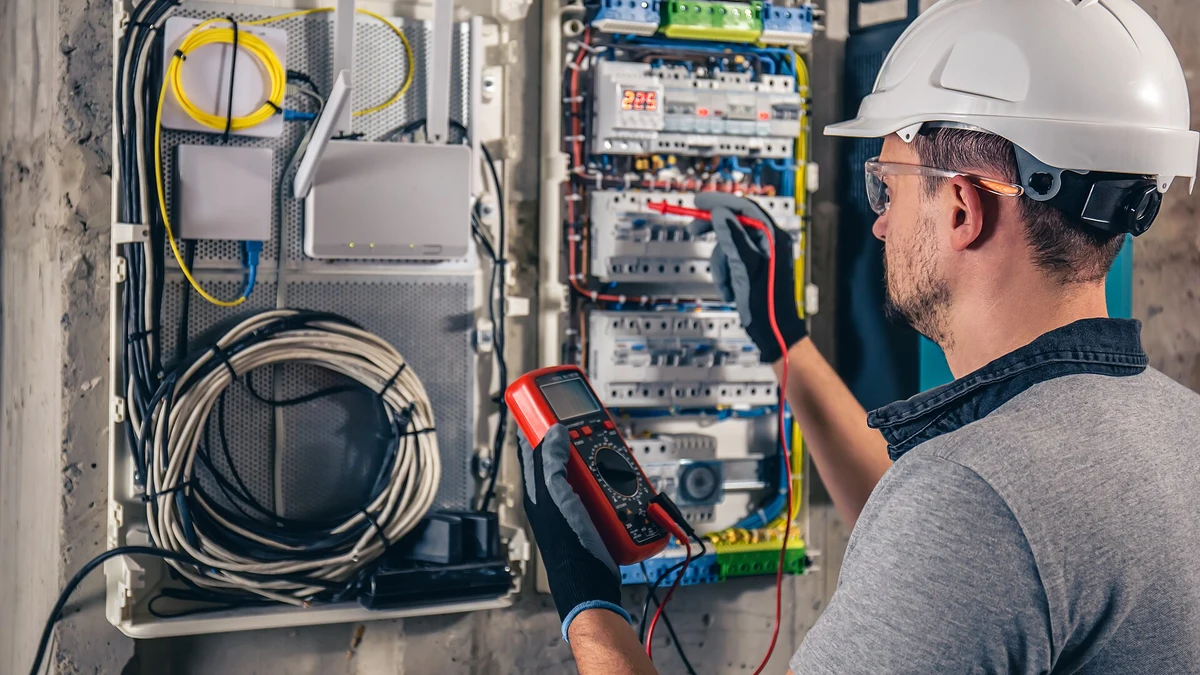
Javier Calatayud, a self-employed electrician in Puertollano, Spain, has explained why a 30-euro hourly service charge in his local sector often involves only 15 minutes inside a client's home.
Speaking on the Spanish skilled-trades podcast Sector Oficios, in remarks reported by El Español journalist Esteban García Marcos, Calatayud used a practical example to show how repair call-outs are priced in his area and how he organizes his daily schedule.
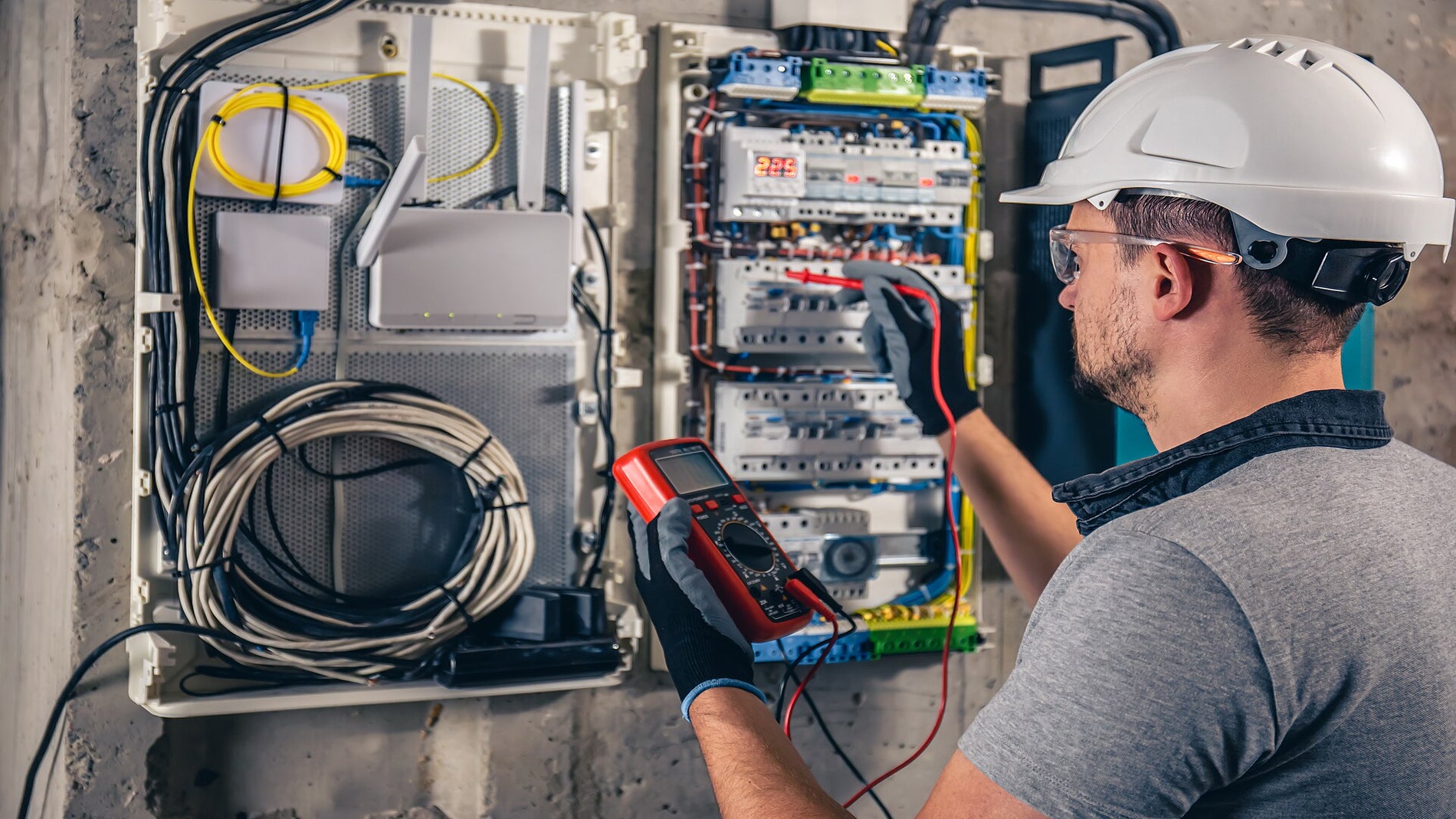
He said that while an hour of electrical work in his area costs 30 euros, he does not spend that entire hour inside the customer's property, often finishing the repair itself in 15 minutes. That single hour on his schedule also encompasses the outbound journey to the home, the intervention at the fault, and the return trip.
Puertollano is an industrial city in the province of Ciudad Real, within the central Spanish autonomous community of Castilla-La Mancha. In Spain, independent tradespeople operate as self-employed sole traders, known as autónomos, who manage their own transport, tools, scheduling, and customer invoicing. Sector Oficios is a Spanish podcast dedicated to construction, maintenance, and trade professionals.
Why a 30-euro call-out does not equal 120 euros an hour
Because the time spent standing in front of an electrical fault represents only part of the operation, Calatayud's example does not describe billing four separate 15-minute repairs within a single hour. Fifteen minutes inside a house can form part of a single job that takes up a full hour once driving time is included.
Automatically multiplying the 30-euro fee by four would turn his explanation into a claim he never made. Calatayud did not say that he brought in 120 euros for every hour worked, and the 30-euro figure applies specifically to his local business environment and his own method of organizing call-outs.
The 30-euro charge also does not equate to the net hourly wage an electrician takes home across a working day, nor does it establish a fixed tariff for the electrical sector as a whole. As reported by El Español, the podcast discussion offers the testimony of one independent professional explaining how he calculates his service fees, rather than a national wage statistic or an official fee scale.
Gross billing, working time, and personal take-home income are three distinct figures for self-employed workers. Under Spain's tax and social security rules, autónomos must pay monthly social security contributions, value-added tax filings, and income tax withholdings while covering vehicle fuel, materials, and insurance out of their gross invoiced revenue before drawing personal earnings.
Pricing disputes and hiring challenges in the trades
During his appearance on Sector Oficios, Calatayud criticized some professionals in the trade for keeping their prices unchanged for years without reviewing them. While that assessment reflects his personal observation rather than a practice attributable to every electrician, it points to a recurring debate among self-employed technicians over how to value specialized labor.
Independent contractors frequently struggle to sustain a small business when customers measure a job solely by the minutes they watch the worker spend inside the property. That same concern over pricing and business sustainability appears among plumbing professionals, where the coverage also noted plumbing entrepreneur Steve Adkins saying that employees come first, clients second, and shareholders last.
Beyond pricing individual repairs, Calatayud had previously told Sector Oficios that hiring staff remains the hardest obstacle for a small trade business. He called recruiting an employee an unresolved issue for independent electricians and pointed to the rule of one and a half that shapes expansion in the sector.
Having a second worker available changes which jobs a small firm can accept and how it distributes daily assignments. Organizing a team is a separate operational issue from how quickly a technician completes a repair, even though both affect customer service and connect to wider industry concerns about generational turnover in the skilled trades.

Vocational training and technical qualifications in Spain
A brief home repair also draws on extensive formal training that is not visible to a homeowner during a 15-minute visit. According to TodoFP, the Spanish Ministry of Education's official portal for vocational education, the qualification of Technician in Electrical and Automatic Installations requires 2,000 hours of training.
Within Spain's national vocational training system, known as Formación Profesional, a 2,000-hour intermediate technical diploma spans two academic years and combines classroom theory, practical workshop modules, and compulsory workplace training inside a company.
The official curriculum covers electronics, electrical engineering, industrial automation, and interior electrical installations alongside the in-company placement phase. Graduates are trained to configure electrical installations, select materials, assemble equipment, and carry out maintenance.
While the syllabus defines a technician's preparation rather than setting commercial prices, the technical knowledge required to intervene safely goes far beyond the brief task observed by the client. That unseen preparation across multiple phases helps explain disputes and customer complaints over an electrician's technical judgment.
Electrical work also extends well beyond domestic repairs. TodoFP lists career paths in industrial maintenance, construction, smart home automation systems, and solar photovoltaic installations, where varying specializations and technical duties underscore the demand for qualified labor across the sector.