Ezequiel Sánchez, chief executive of the Spanish rocket company PLD Space, said whoever controls access to space controls the entire space value chain. He made the comment during a conference at the Colegio de Economistas de Alicante, as reported by Alicante Plaza on November 5, 2026. His argument links the manufacturing of rockets to the services that satellites provide once they are in orbit.
Sánchez's warning points to the dependence many countries have on others to carry a payload into orbit. A satellite can be fully designed and built, but it still needs a vehicle to place it where it is meant to work. That launch capacity shapes the timeline and the options available to companies developing communications, earth observation and other space-based services.
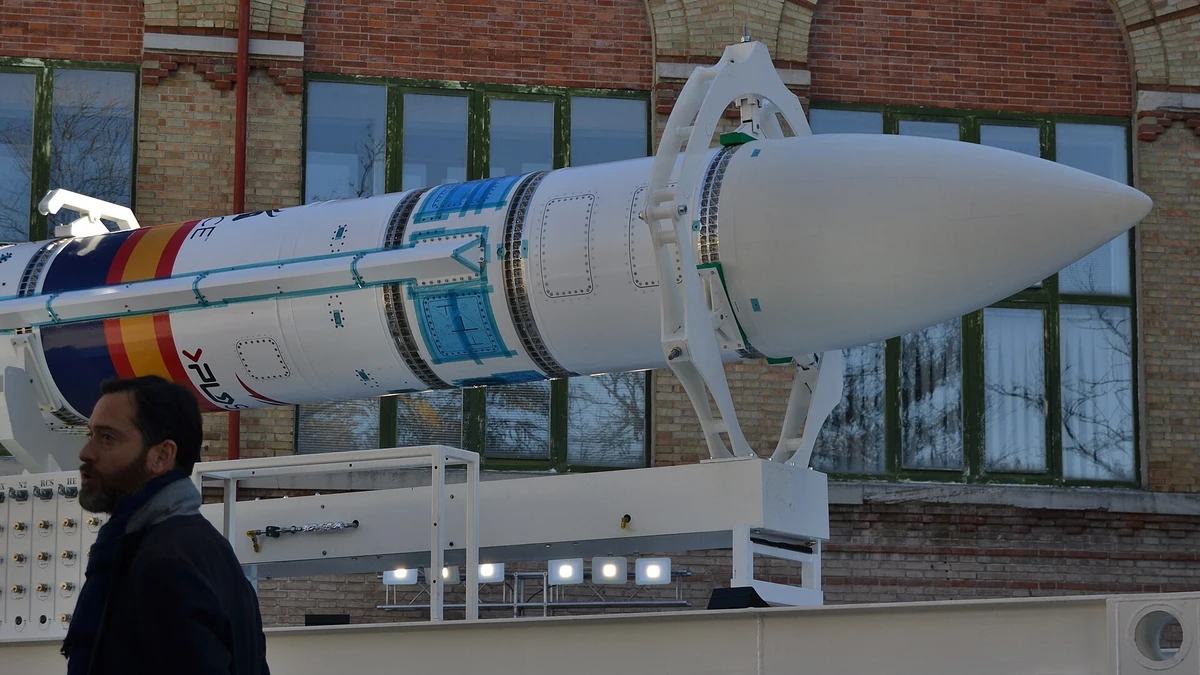
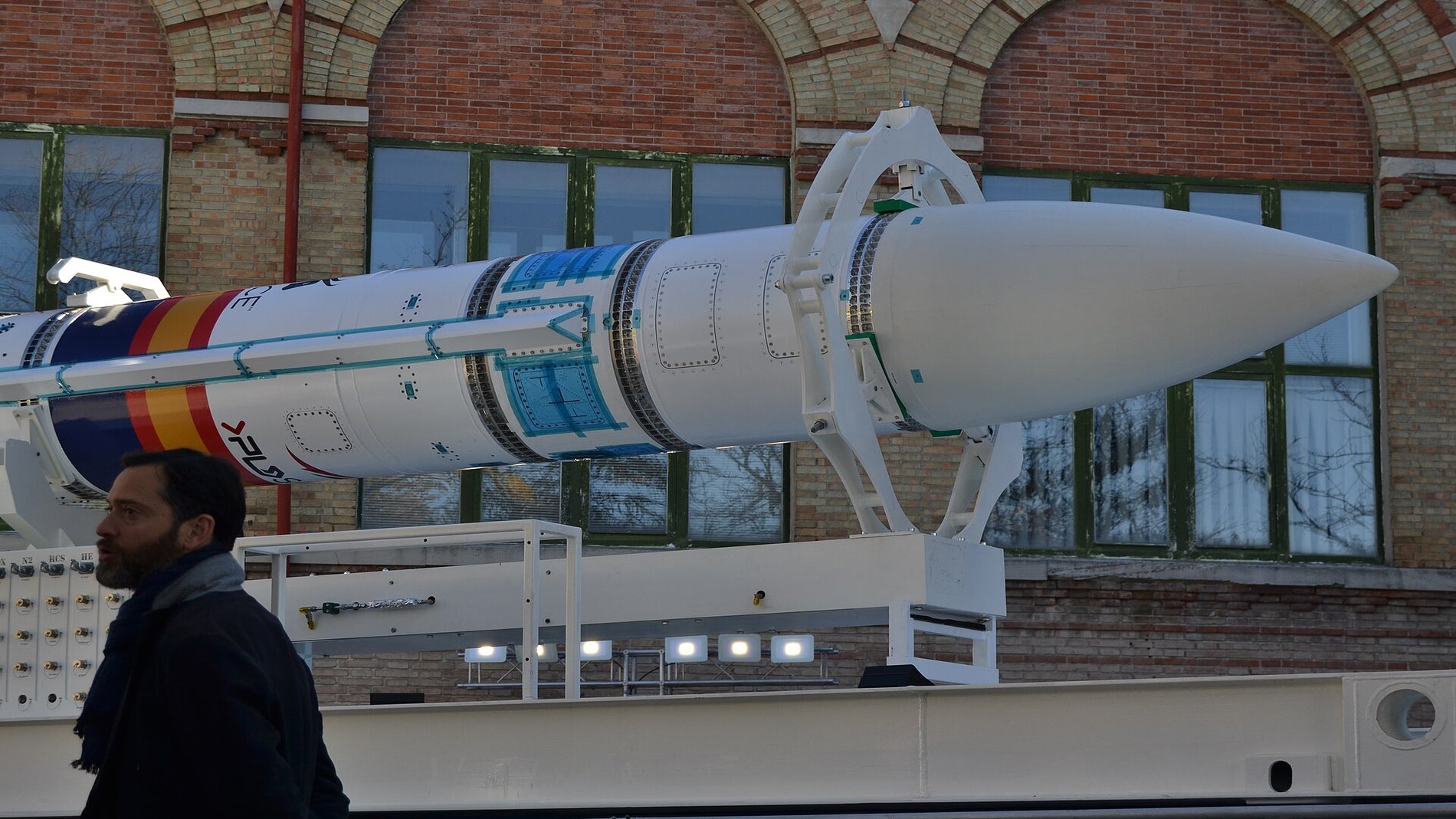
PLD Space, based in Elche, is trying to fill that industrial gap with its MIURA 5 rocket. The project remains in development. In an update issued on October 19, the company set the first demonstration flight for the first half of 2027. PLD Space, founded in 2011, has built its business around small and medium launch vehicles intended to give Europe an independent route into orbit.
Dedicated flights and shared rides
In presenting MIURA 5, the company describes two types of mission. In a dedicated mission, the customer can set the orbit and the timing of the launch. In a shared mission, several payloads travel together to an orbit that has already been fixed. That flexibility matters most for projects that need to deploy and maintain satellite infrastructure on a tight schedule, such as those built around satellite connectivity.
One contract already puts that model into practice. PLD Space and the satellite communications company Sateliot announced in February 2026 a dedicated mission to launch two Tritó satellites, each weighing about 160 kilograms, with the flight planned for 2027. The satellites are intended to support direct 5G communications to mobile devices. The deal ties PLD Space's launcher directly to a commercial application in a market where satellite-to-device networks are also expanding.
Vehicles still being tested
A signed commercial contract does not mean the mission has flown. The rocket must first complete its development and testing stages. PLD Space said in October that it had built three MIURA 5 vehicles: two qualification units and the first unit intended for actual flight, which was still being integrated. Those tests are designed to connect the rocket's subsystems and confirm they work together.
The same October update described a production chain spread across several sites: manufacturing facilities in Elche, test benches in Teruel, and preparations at the planned launch site in Kourou, French Guiana, which is also home to the European Space Agency's spaceport. The chain covers production, verification and launch operations, after which each mission still has to operate in an orbital environment with its own demands, including the close tracking of other satellites.
ESA funding backs the project
The European development effort has institutional backing as well. In August, PLD Space announced a contract worth 169 million euros under the European Space Agency's European Launcher Challenge, intended to help the company establish an operational orbital service and develop improved MIURA 5 capabilities. Building European autonomy in launch, the company's update suggests, requires sustained service over time, not just a single successful flight, at a moment when concerns about the protection of space infrastructure are also growing.
Sánchez's statement reflects the strategic position of someone running a launch company. The contracts signed and the tests carried out mark real progress, but the next step is still to prove the system works in flight. Turning the technology PLD Space has developed into a reliable, repeatable transport service is what customers need before they can put their own satellites to work.