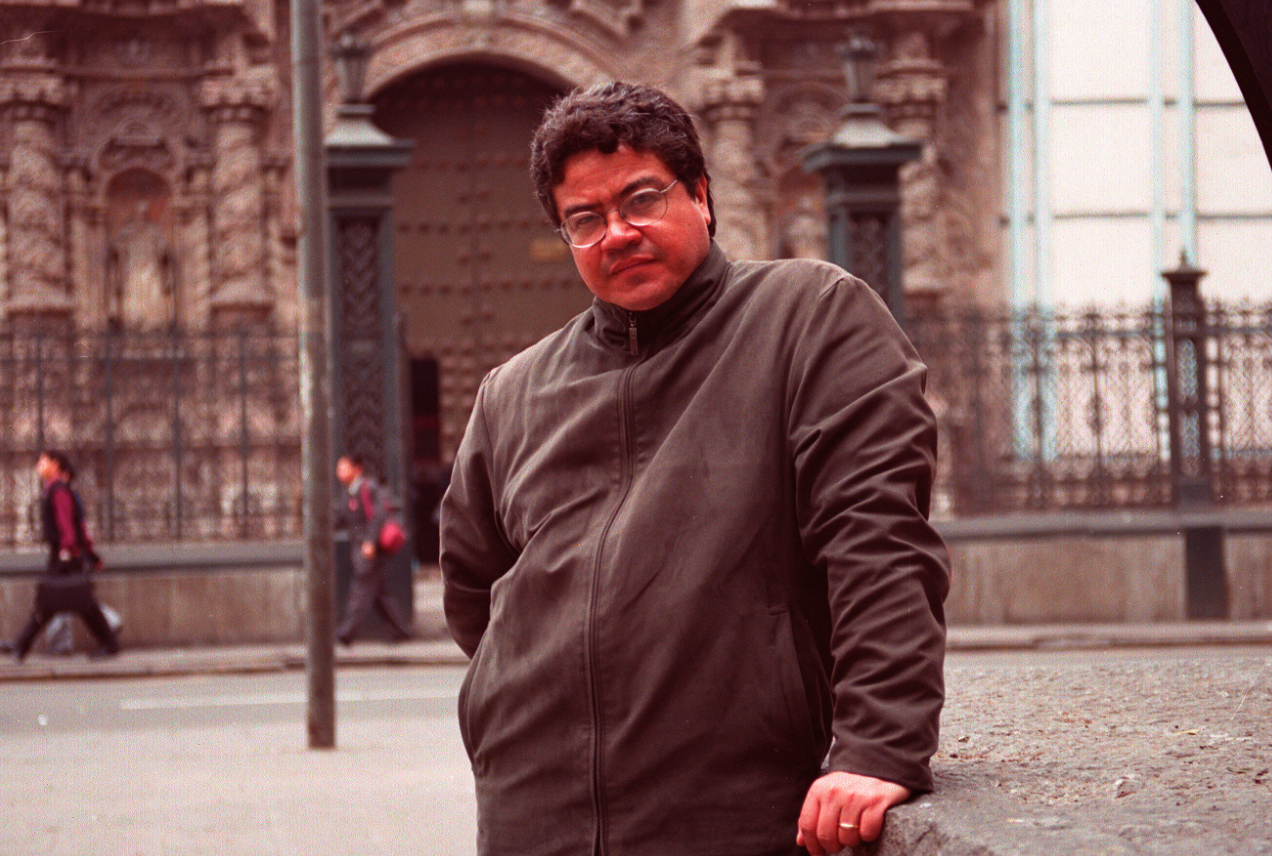
Peruvian columnist Mirko Lauer has highlighted the religious poetry of writer Roger Santivanez as essential reading ahead of the imminent arrival of Pope Leo XIV. Writing in his column, Lauer noted that Santivanez has maintained a deeply spiritual focus since the 1991 publication of his collection Symbol, developing a celebrated blend of Catholic saints, romantic love, and the female body across numerous subsequent volumes.
Santivanez recently released his latest poetry book, Inmaculada concepcion, published in Huacho by Qwerty in 2026. Lauer reported that the volume combines poetry, humor, and a neobaroque rhetoric through which the author seeks and finds a purifying ecclesiastical element, adding that Santivanez explains the conception in the title as the poetic perception of reality.
Addressing the potential for controversy, Lauer remarked that although Santivanez drew his sins from the northern coastal city of Piura, the title and cover of the new collection would not offend a visiting pontiff, particularly Pope Leo XIV. He described the poet's broader body of work as carrying the sensuality of an altar boy from Piura intertwined with high poetic craft and an obvious religious concern.
Golden Age Influences and Literary Style
Santivanez displays a devotion to the vocabulary and structural forms of the Spanish Golden Age, the 16th and 17th century literary period known as the Siglo de Oro. Lauer compared this stylistic devotion to that of the secular Peruvian poet Carlos German Belli, who adopted classic verse forms following his 1958 book Poemas. Like Belli, Santivanez does not consider himself modern nor wish to be, yet Lauer observed that he moves far ahead in the literary procession, appearing at times as a sexualized ecclesiastic and at others as a seductive neobaroque writer.
The religious dimension of Santivanez's poetry differs markedly from that of major 20th century Peruvian poets such as Cesar Vallejo or Antonio Cisneros, whose spiritual engagements Lauer described as solid and of a single piece. Instead, Santivanez produces verse filled with contradictions, which Lauer likened to the romantic poetry of 19th century Peruvian author Ricardo Palma. Lauer noted that these internal contradictions do not bother the reader, as time has decanted the poet's work into a settled sediment of faith within religious aesthetics.
Philadelphia Relocation and Sacred Verse
Recalling the author's personal trajectory, Lauer noted that when Santivanez presented Symbol in downtown Lima during 1991, he appeared near total collapse and ready for the extreme unction of the doomed. The poet was ultimately saved by moving to Philadelphia, Pennsylvania, where he currently lives with a compatible partner beside the Cooper River, a waterway Lauer described as looking more like the biblical Jordan River each day.
Santivanez is currently attempting to recover his hard-edged early career through memoirs, though Lauer noted he is not succeeding in that effort. Nevertheless, Lauer pointed to several memorable books and poems produced over the years, expressing a personal preference for Santa Rosa de Lima, poema sacro en 31 silvas, published in Lima by Hipocampo in 2022. The sacred poem honors Saint Rose of Lima, the 17th century patron saint of the Americas and the Philippines.
In a featured stanza from the 2022 volume, Santivanez writes of staying far from all idolatry and surrounding sulfur, conducting an angelic consistory with exclusive dedication, and offering wine and water from the true vine that waters the sonorous Rimac River, the primary river flowing through the Peruvian capital of Lima.
Columnist Profile and Published Works
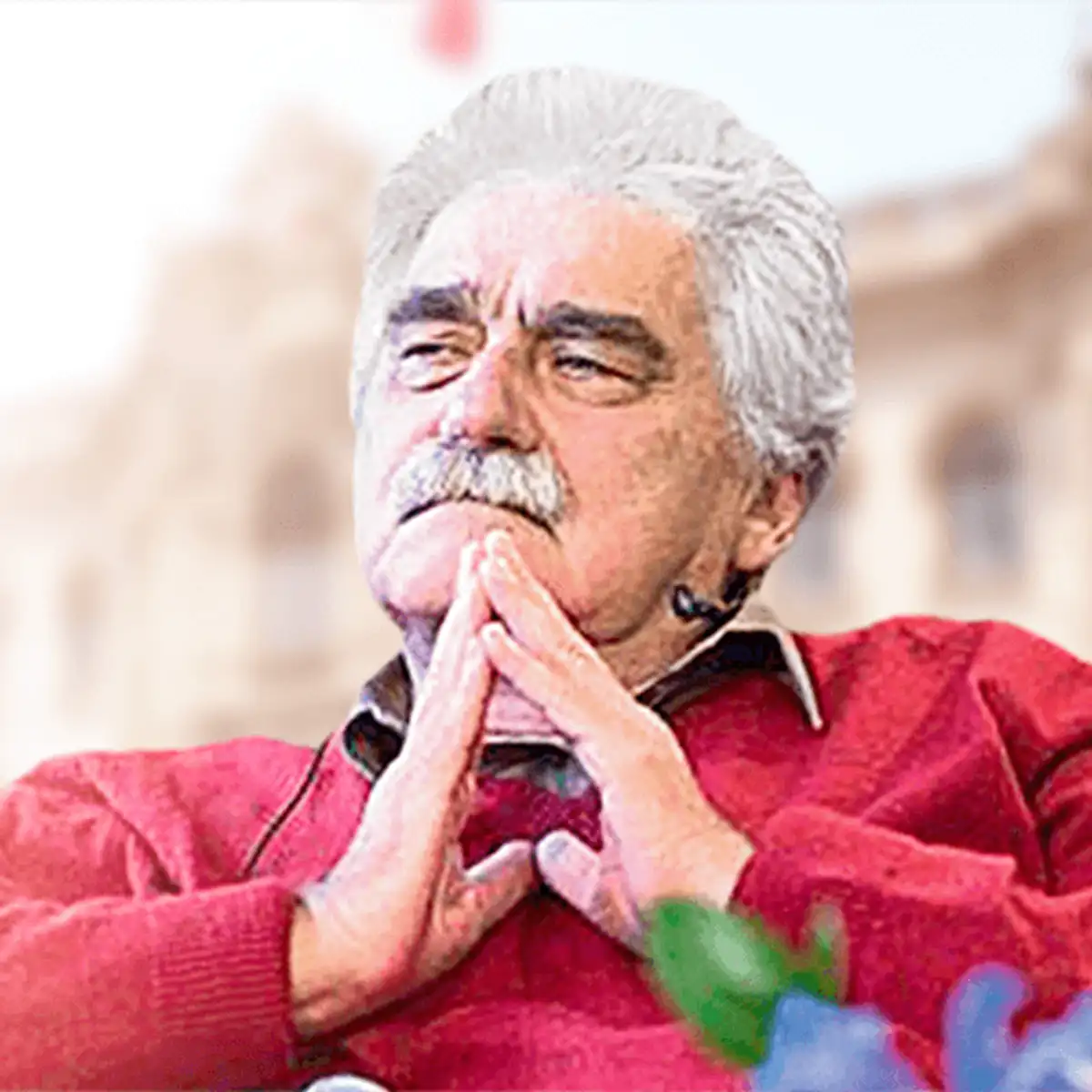
Lauer, who writes the Observador column, holds a doctorate from the National Major University of San Marcos in Lima, the oldest officially established university in the Americas. He is a recipient of a Guggenheim Fellowship and has been named a Knight of the Order of Arts and Letters by France.
In addition to working daily in journalism, swimming almost daily, and describing himself as a fake political scientist, Lauer releases a poetry collection every few years. He maintains minimal activity on X and has no accounts on Facebook, Instagram, or TikTok.
Lauer's recent publication record includes the poetry collection Chifa de Lambayeque, published in Lima by Personaje Secundario in 2024, and a 2025 reissue of Los asesinos de la Ultima Hora by Cepo para Nutria. His next forthcoming book will be the fifth edition of his poetry collection Sobrevivir.