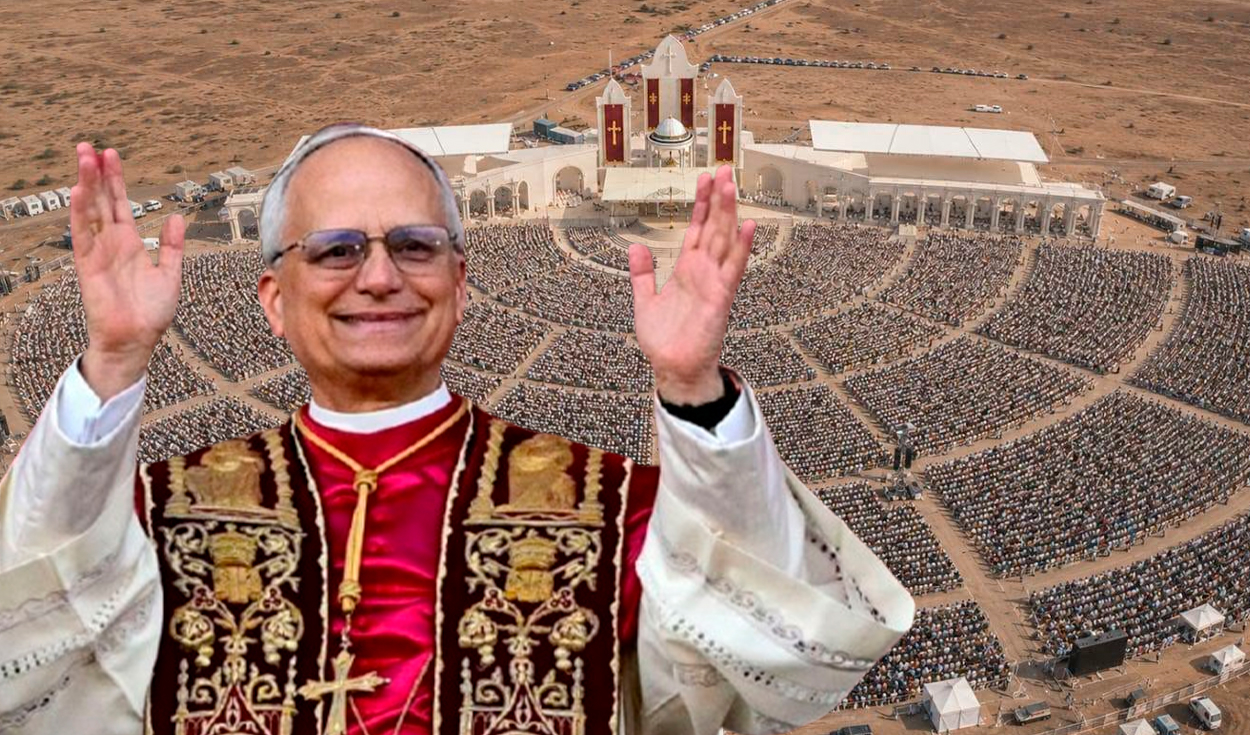
Pope Leo XIV is scheduled to visit Peru in November, according to a column by journalist Mirko Lauer. Lauer wrote that the trip, coming amid the El Niño phenomenon, would amount to a visit of consolation, since by then it would be clear what the current government can and cannot do about the crisis, which would shape the pope's messages from Peru.
Lauer pointed to Leo XIV's Peruvian career and empathy, saying his arrival amid devastation, particularly in the area where he did most of his work, carried the feel of a religious parable. He said the most devout would expect solutions, though the pope's messages were unlikely to go beyond solidarity with those in need.
Vatican power struggle
In the wider power struggle within the Vatican, Lauer suggested that including Peru in the tour might be a way of reminding Christianity of its triumph over the Sodalicio movement, and by extension over the Catholic Church's local far right. He said the pope would likely be attacked by press linked to those sectors as the price of that victory.
Politicians seek photo opportunities
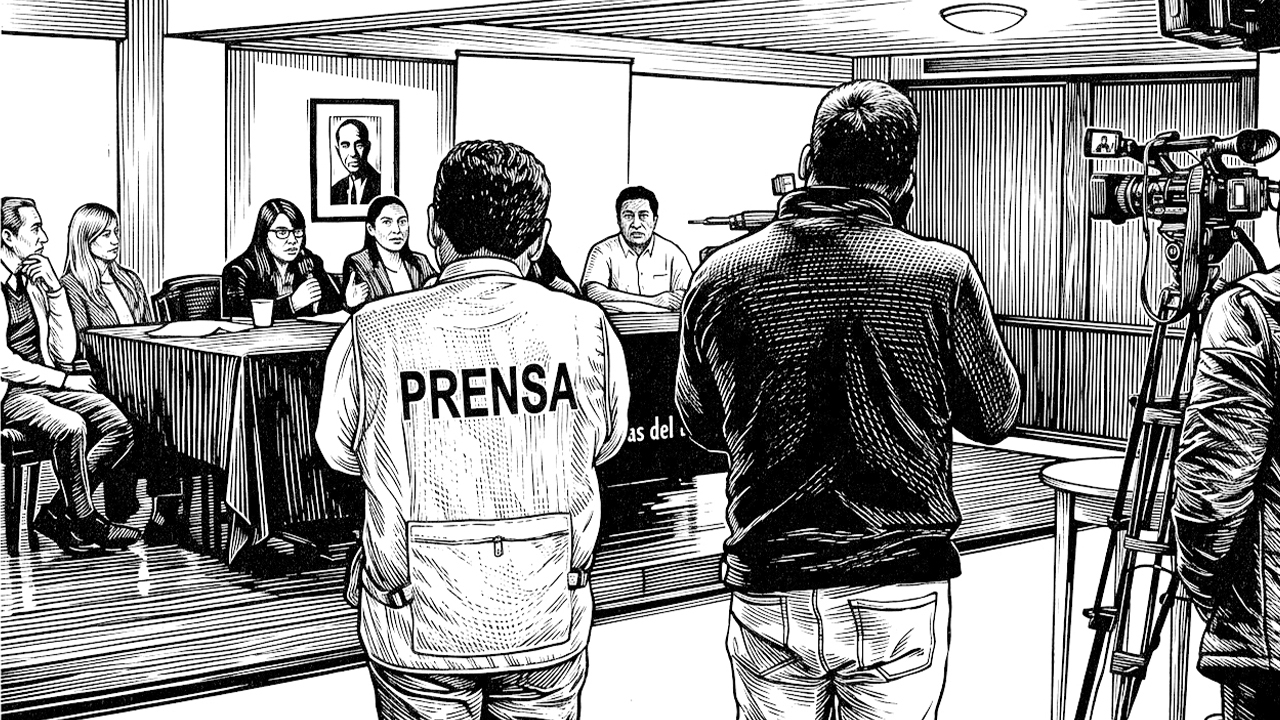
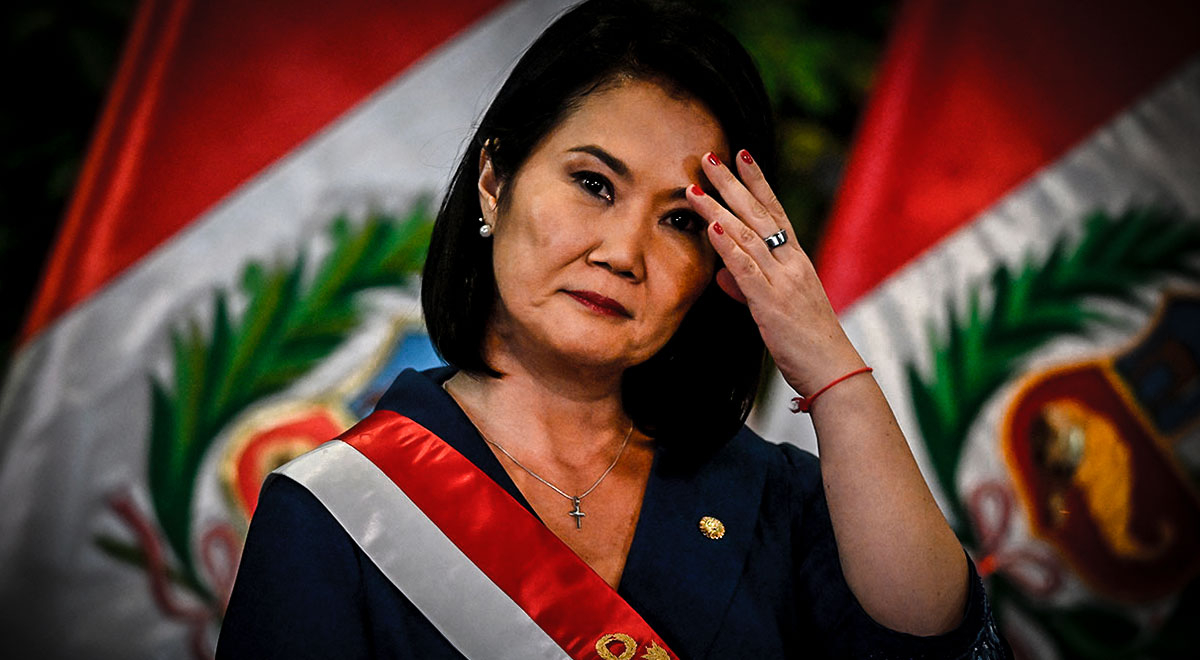
Lauer wrote that Peruvian politicians would race toward the cameras during the visit, with the ruling camp holding the advantage, though some prominent progressive figures might also be included for greetings and photographs, with meetings ranging in size according to the importance of those invited.
Message on poverty and corruption
Lauer said the visit would center on a critical message, reflecting the papacy's stance of defending the poor as victims of inconsiderate power. He cited remarks made by Monsignor Carlos Castillo during the recent Te Deum as a preview, noting Castillo had criticized those who use the Catholic Church to pursue personal goals. Lauer said politicians who proclaim themselves Catholic without truly being so could expect similar criticism, and that the pope was likely to address corruption, insecurity and killings of citizens.
Popular support
Lauer said the atmosphere could be tense but the visit would still be a happy occasion. He noted that the papacy is immensely popular in Peru, as shown by mass gatherings, and said similar shows of public affection were unlikely in Argentina or Uruguay.