Peruvian columnist Ramiro Escobar argued in a new opinion piece that the recent earthquakes to strike Venezuela, Colombia and Peru should not be dismissed as "natural disasters," saying the real damage comes from poor risk management rather than from nature itself.
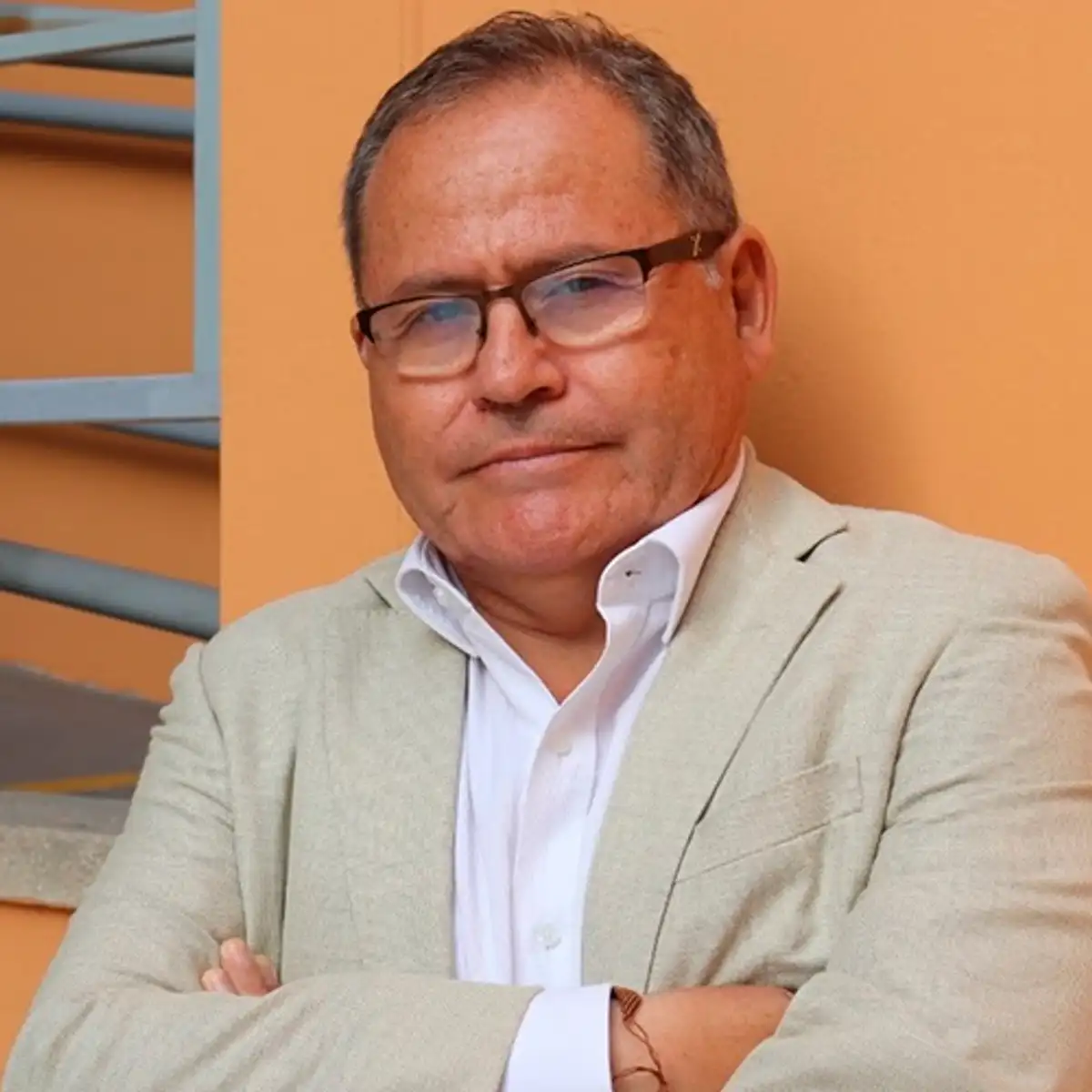
Escobar holds a degree in communication and a master's in cultural studies and writes the column Meditamundo. He has covered events including the 2002 coup attempt against Venezuelan President Hugo Chavez, the 2015 peace agreement with the FARC rebel group, Fidel Castro's funeral in 2016, Donald Trump's 2017 inauguration and an interview with former Uruguayan President Jose Mujica. He teaches international relations at Peru's Pontifical Catholic University and at the Diplomatic Academy Foundation.
Escobar said the recent cluster of earthquakes has revived alarms that usually go unheeded. He said the tremors are not unusual but largely expected, and in many cases preventable, just as the El Nino weather pattern is already beginning to show its first climatic effects.
He said people keep labeling such events natural disasters, consciously or not attributing to nature the power to attack, describing it as furious when it is in fact only producing phenomena that can be recurring or sudden but are not driven by any intrinsic malice.
Andean Community meeting
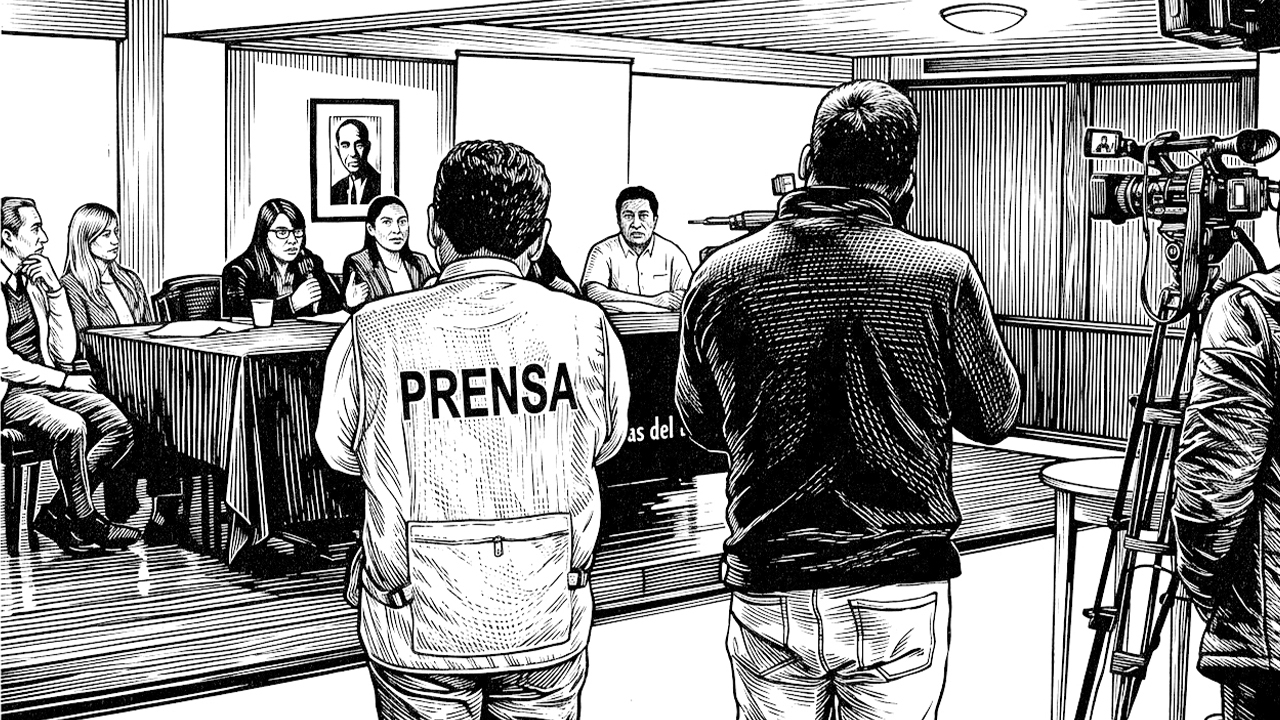
Escobar recalled raising the issue years ago at a meeting held at the headquarters of the Andean Community in Lima, where several specialists agreed with him that, strictly speaking, disasters are social rather than natural. The Andean Community is a regional bloc of Bolivia, Colombia, Ecuador and Peru that promotes economic and social integration among its members.
He said that once disasters are "naturalized," people can come to view them as a punishment or a test from God, a notion he said had been floated by Colombia's new president, Abelardo de la Espriella, whom he described as misguided.
Haiti compared with Chile and Japan
To illustrate his argument, Escobar pointed to the magnitude 7.0 earthquake that struck Haiti on January 12, 2010, which killed 200,000 people. He said earthquakes of similar or even greater strength hit Chile and Japan during the 21st century without producing such a staggering death toll.
The difference, he said, lies in something fundamental: Chile and Japan are less vulnerable countries with far better risk management, including earthquake drills and earthquake-resistant construction of the kind Peru is trying to develop. Both countries sit along the seismically active Pacific "Ring of Fire" and have invested heavily in strict building codes and early-warning systems after past disasters. Haiti, he said, was already a social disaster before the earthquake struck, which is why the quake tore it apart.
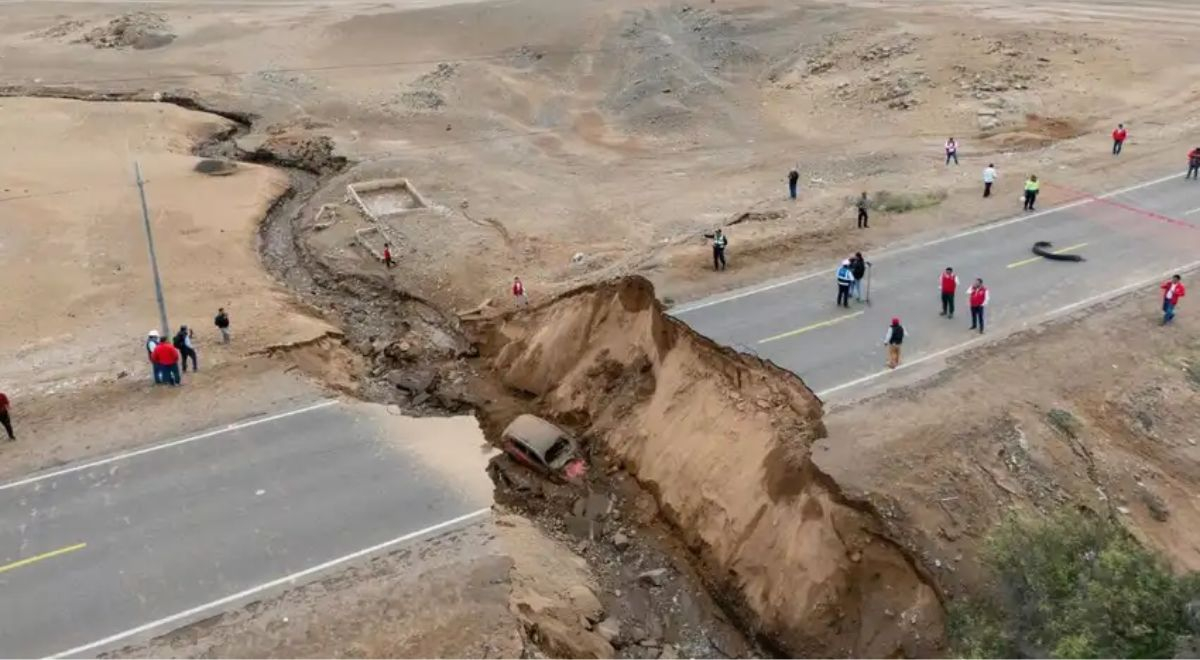
Escobar said the same pattern of vulnerability applies to other societies, or to parts of countries more exposed than others, pointing to Chupaca, in Peru's Junin region, as recent and painful evidence of that gap, one that he said feels distant from the tranquility some people enjoy.
Call for more research from social sciences
Escobar also criticized the social sciences for not focusing enough on the effects of disasters, saying the subject is treated as though it belongs only to meteorologists or geologists. He said earthquakes also shake political structures, pointing to Mexico as an example after the 1985 earthquake.
The magnitude 8.0 earthquake that struck Mexico City on September 19, 1985, killed thousands of people and is widely regarded as having exposed government failures that helped reshape the country's politics in the years that followed.
Escobar warned that something similar could happen again if officials continue to think it does not matter whether floodwater reaches only as high as a person's knees.