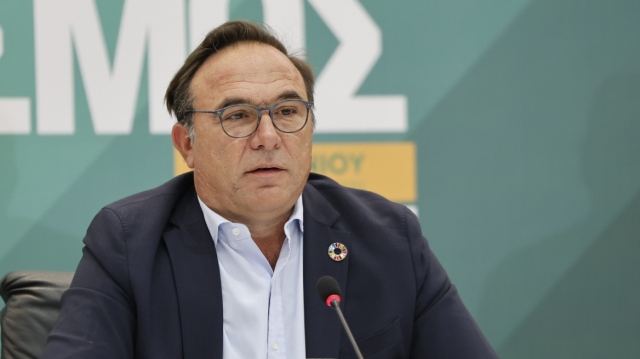
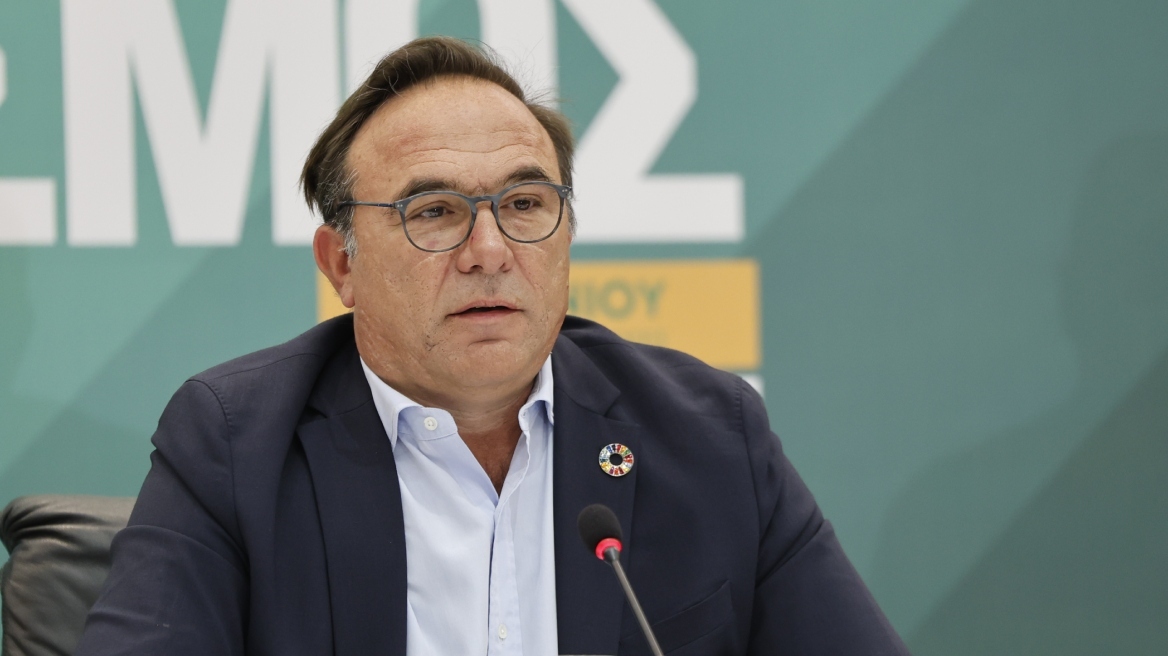
Greek politician Petros Kokkalis has called for the activation of a national asset registry to tax the wealth of the richest one percent of citizens.
Speaking on the Athens radio station AlphaRadio989, Kokkalis argued that tax authorities must first record existing property across the country before any effective levy on wealth can be implemented.
Kokkalis, representing the ELAS Hellenic Left Coalition, pointed out that Greek lawmakers originally passed legislation establishing the asset registry in 2018, but the mechanism was never put into operation.
Asset Registry and Wealth Taxation
Kokkalis stated that governments cannot levy property taxes without full visibility over existing wealth. He noted that while parliament voted for the asset registry eight years ago, it has remained inactive ever since.
He highlighted the party's proposed patriotic contribution as a fundamental shift in fiscal policy. For the first time, a tax measure focuses directly on accumulated assets rather than placing the primary burden on wage earners and labor income.
Addressing the broader economic landscape, Kokkalis described wealth inequality as a pressing pan European issue and stated that taxing high net worth individuals has become a global demand.
Economic Model and European Convergence
Kokkalis delivered a critical assessment of the Greek economy, arguing that the existing economic model is unsustainable. He stated that Greece cannot continue with a structure defined by low productivity, a high cost of living, and deep social inequalities.
He drew attention to key indicators comparing Greece with other European Union members. Although the national economy has recorded growth, per capita gross domestic product remains at just 68 percent of the European average, while overall productivity is lower still.
Housing expenses in Greece now consume three times the proportion of household income seen on average across Europe. Kokkalis stressed that economic policy must aim for genuine convergence with European standards rather than focusing solely on GDP expansion.
He added that true convergence requires narrowing gaps in productivity, wages, and institutional governance so that residents can experience the living standards of a modern European state.
Investment in Resilience and Climate Defense
Kokkalis emphasized the urgent need for targeted public and private investments to build national resilience against environmental risks and natural disasters.
He explained that Greece is obligated, both by available European Union funding frameworks and by climate challenges, to invest heavily in structural upgrades. Priority areas include building reinforcement, environmental protection, flood defenses, and forest preservation.
Debate Over the Patriotic Contribution
The call for activating the asset registry comes amidst intense political debate surrounding the economic program of ELAS, an alliance formed around former Prime Minister Alexis Tsipras.
Nikos Nifoudis, an economic shadow minister for ELAS, recently cited figures from a global database indicating that the top one percent of wealthy Greeks hold assets totaling 200 billion euros.
However, the party's wealth proposals have triggered sharp controversy and political opposition over questions regarding personal possessions and safe deposit boxes.
Vasia Anastasiou publicly questioned the proposed taxation measures, recounting how her grandmother contacted her to ask whether Tsipras would confiscate her personal bracelets. ELAS representative Siakantaris responded to the comments by sarcastically asking whether Communist Party leader Dimitris Koutsoumbas would soon take people's homes.
Following statements by party member Nikos Pappas concerning safe deposit boxes, a deputy spokesperson for Tsipras clarified that government bonds are distinct from personal brooches and family jewelry.
The proposal has also faced criticism from within the left wing opposition. Former minister Pavlos Polakis attacked the economic platform, questioning proposals drafted by advisors Antonis Liakos, George Chouliarakis, and Fragkiskos Koutentakis, whom he labeled representatives of a banking left.
The government and rival opposition party SYRIZA have both launched severe political attacks against ELAS, accusing the coalition of policy confusion and misleading the public over its tax plans.