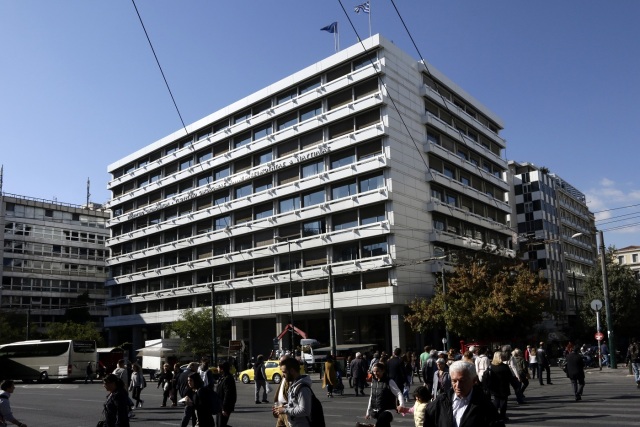
Greece's Ministry of Finance has claimed that an economic programme presented by opposition politician Alexis Tsipras in Thessaloniki would cost approximately €13 billion annually and breach European fiscal rules.
Officials from the economic team stated that the proposals, unveiled during the presentation of the ELAS party platform, violate spending limits set by the European Union. They warned the measures recall the fiscal instability, tax increases, and austerity measures associated with the country's third bailout package.
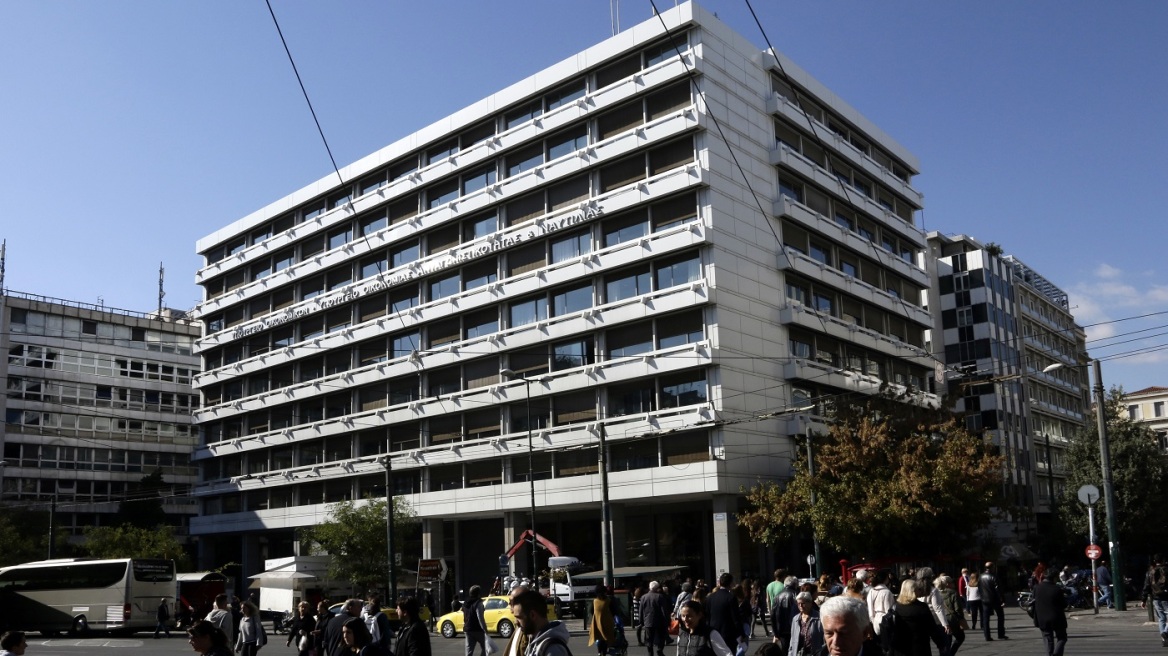
The ministry's calculations indicate that the plan includes significant commitments across public health, education, transport, housing, and taxation. According to ministry officials, the proposed measures would unravel progress made in controlling national public expenditure.
Alexis Tsipras served as Prime Minister of Greece from 2015 to 2019, leading the country during the implementation of its third international bailout agreement. Thessaloniki, the country's second-largest city, has long served as the traditional venue for Greek political leaders to outline major economic policies and party manifestos.
Healthcare and Public Transport Costs
A major element of the proposed plan involves increased spending on public healthcare personnel. Ministry sources estimated that offering an average monthly wage increase of €500 to doctors and nurses in the National Health System would cost €0.63 billion annually, covering 86,881 medical, nursing, and paramedical staff.
The economic team also evaluated proposals to eliminate public transport fares. Granting free access to public transit for residents of Athens and Thessaloniki, while excluding tourists, would carry an estimated annual cost of €0.2 billion.
The Greek National Health System provides state-funded healthcare services across hospitals and health centres nationwide. Public transit in Athens and Thessaloniki relies on state subsidies and ticket revenues to maintain bus, metro, and tram networks.
Taxation and Business Relief Measures
The ministry addressed several proposed changes to business taxation and levy structures. Abolishing the annual end-of-trade fee for legal entities would cost the state an estimated €0.2 billion per year.
Significant short-term costs would also arise from adjustments to tax advance payments. Eliminating tax advance payments for sole proprietorships carries an estimated one-off cost of €0.8 billion. Furthermore, reducing the tax advance payment rate for legal entities from 80 per cent to 50 per cent would result in a one-off cost of €2.1 billion.
Proposals to support families through tax relief were also costed by officials. Doubling the tax discount for families with children is estimated to cost €1.0 billion annually.
The financial team further analyzed proposed reductions in consumption taxes. Reducing value-added tax to 6 per cent on basic food items, excluding non-alcoholic beverages, and on hygiene and detergent products would cost the state €1.8 billion every year.
Education Sector Spending and Student Aid
In the education sector, ministry sources calculated that granting a monthly salary increase of €300 to teachers would cost €0.8 billion annually for 182,340 educators. Officials noted that total gross expenditure on salaries is calculated within the primary expenditure index used by European authorities to monitor the country's fiscal compliance.
The plan also includes hiring 30,000 new teachers, which ministry sources estimated would require an additional €0.57 billion annually in recurring state spending.
Higher education proposals outlined student assistance measures for regional universities. Providing a monthly scholarship of €500 for ten months per year to 80,000 students studying away from home would cost an estimated €0.4 billion annually.
Housing and Regional Investment Infrastructure
The economic team examined housing proposals to construct 50,000 affordable homes over a four-year period. Based on an estimated construction cost of €1,500 per square metre for 80-square-metre residences, officials calculated the annual cost at €1.5 billion, totaling €6.0 billion over four years.
Proposals to transfer public investment funding were also identified as additional budget burdens. Allocating €1.5 billion annually from the national arm of public investments to a new National Convergence Fund would require raising the statutory limits of the National Public Investment Programme by €1.5 billion per year.
Transferring all revenue from the climate resilience fee directly to municipalities would cost €0.59 billion annually. Ministry sources noted these funds are already committed to approved disaster recovery projects and compensation payments over the next three years, meaning any supplementary allocation represents new state expenditure.
The analysis also addressed municipal development funds. Increasing investment resources provided by the Green Fund to local municipalities would carry an annual cost of €0.16 billion.
Re-establishing the Filodimos municipal programme using €250 million from the National Public Investment Programme and €450 million in European Investment Bank loans annually would total €0.7 billion per year, or €3.5 billion over five years. Ministry officials explained that Public Investment Programme allocation limits are fixed for regions and ministries, so an extra €250 million increases spending limits. They added that borrowing from the European Investment Bank does not count as fiscal revenue, whereas municipal expenditure impacts the primary deficit target.
Uncosted Proposals and Official Call for Verification
Ministry sources emphasized that the €13 billion annual total does not include several additional promises announced during the presentation. These include providing a minimum guaranteed quantity of energy at fixed affordable prices for every household, introducing a transport equivalent mechanism for island residents, and guaranteeing care for 140,000 people living with dementia.
Other uncosted proposals cited by officials include waiving prescription medication co-payment fees for pensioners and creating a digital culture wallet for citizens.
Ministry officials concluded by challenging Alexis Tsipras to submit his economic programme to the independent Hellenic Fiscal Council for formal quantification if he disputes the financial team's calculations.
The Hellenic Fiscal Council is an independent statutory body established in Greece to evaluate public economic forecasts and monitor government compliance with national and European fiscal rules.