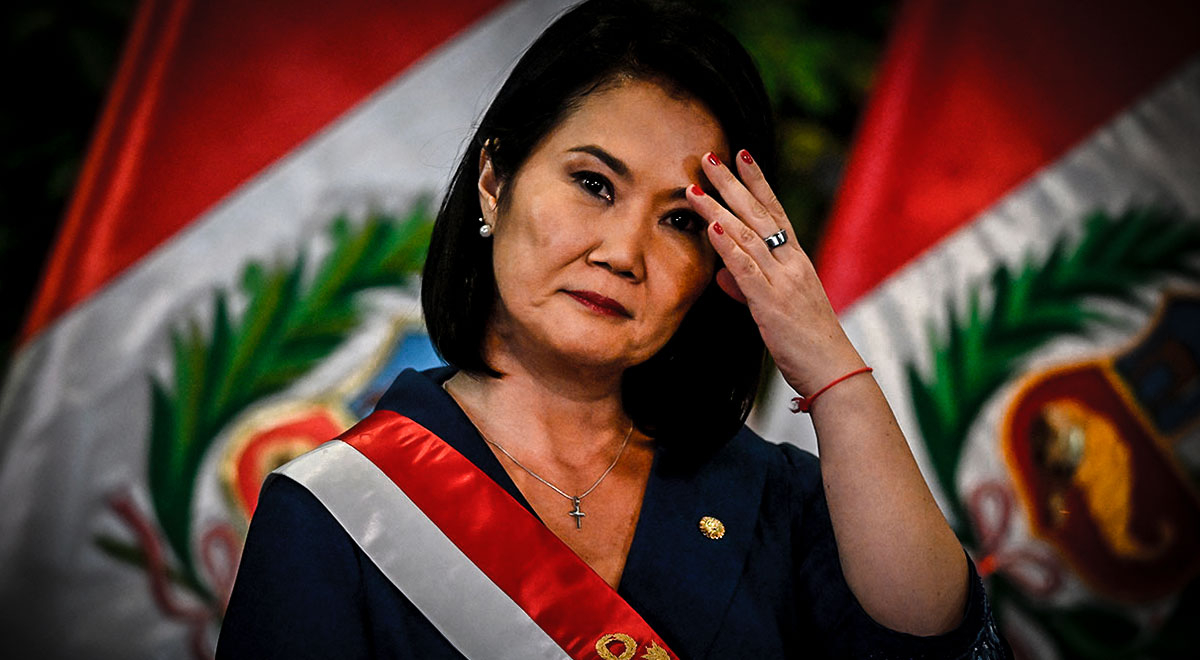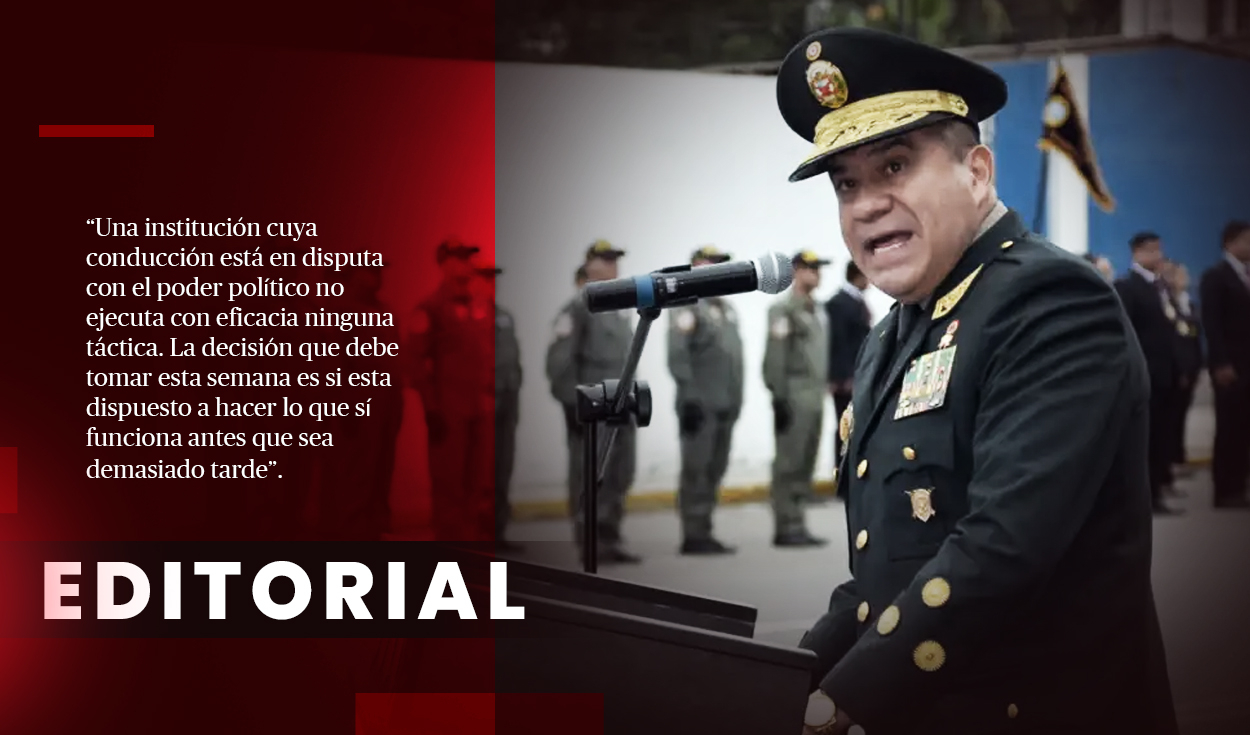
The Peruvian government of President Keiko Fujimori is evaluating whether to remove National Police Commander General Oscar Arriola as violent crime escalates across Lima.
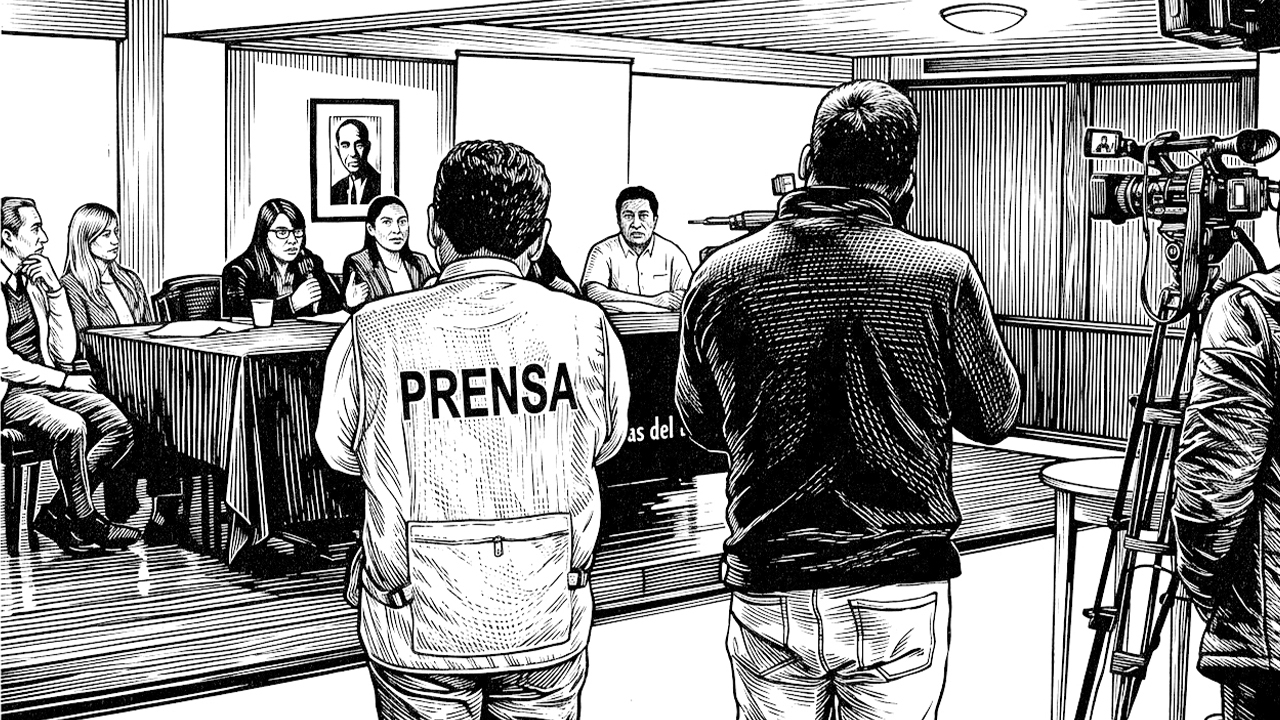
Tensions between political authorities and the police leadership have deepened over what critics describe as a deficient response to internal security. In response to mounting criticism over police inaction, Arriola summoned all high-ranking commanders for emergency coordination meetings while the government assesses his continuity in office.
Peru has spent decades debating strategies to confront criminal violence, but successive governments have failed to achieve a sustained reduction in murders. The National Police of Peru, known as the PNP, serves as the primary law enforcement body in the South American nation of 33 million people. Operational friction and command disputes between political authorities and police leaders have frequently hampered security efforts during emergency crises in the capital city of Lima.
Rising Homicide Rates Under Plan Escudo
Official figures from Peru's National Information System on Deaths, known as SINADEF, recorded 102 violent deaths between July 28 and August 14, representing an average of six homicides per day. The statistics cover the first 18 days of the Fujimori administration.
According to SINADEF data, 77.5 percent of those deaths were caused by firearm projectiles. This represents the highest prevalence of gunshot homicides recorded across nine consecutive presidential administrations. By comparison, the previous administration led by former President Balcazar registered a firearm homicide rate averaging 71.3 percent.
The record homicide figures arrived while the government's Plan Escudo initiative deployed military troops along major thoroughfares in Lima. High-profile attacks occurred alongside the military operation, including a hitman shooting a Line 41 bus driver in Villa El Salvador, a populous district in southern Lima, as street patrols began. In another incident, a female criminal defence lawyer was fatally shot in broad daylight in the northern coastal town of Pacasmayo.
Sources of Illegal Firearms and Security Reform
The illegal arms market feeding contract killings in Peru relies on documented supply channels, including contraband smuggled across porous land borders shared with Ecuador, Colombia, and Brazil. Other documented sources feeding illicit armaments into the country include the theft of weapons from institutional armories and complicity among corrupt PNP officers.
Police reform advocates and editorial reports note that placing uniformed military personnel on public streets fails to dismantle illicit weapons sources. Effective solutions require sustained criminal intelligence operations, internal purging of corrupt officers within police ranks, and financial tracking of organized crime networks engaged in gun trafficking and extortion.
Government leaders face a decision this week on whether to restructure top law enforcement command before security conditions deteriorate further. Replacing the PNP general command with leadership capable of executing a professional security plan remains a primary focus of government evaluations.