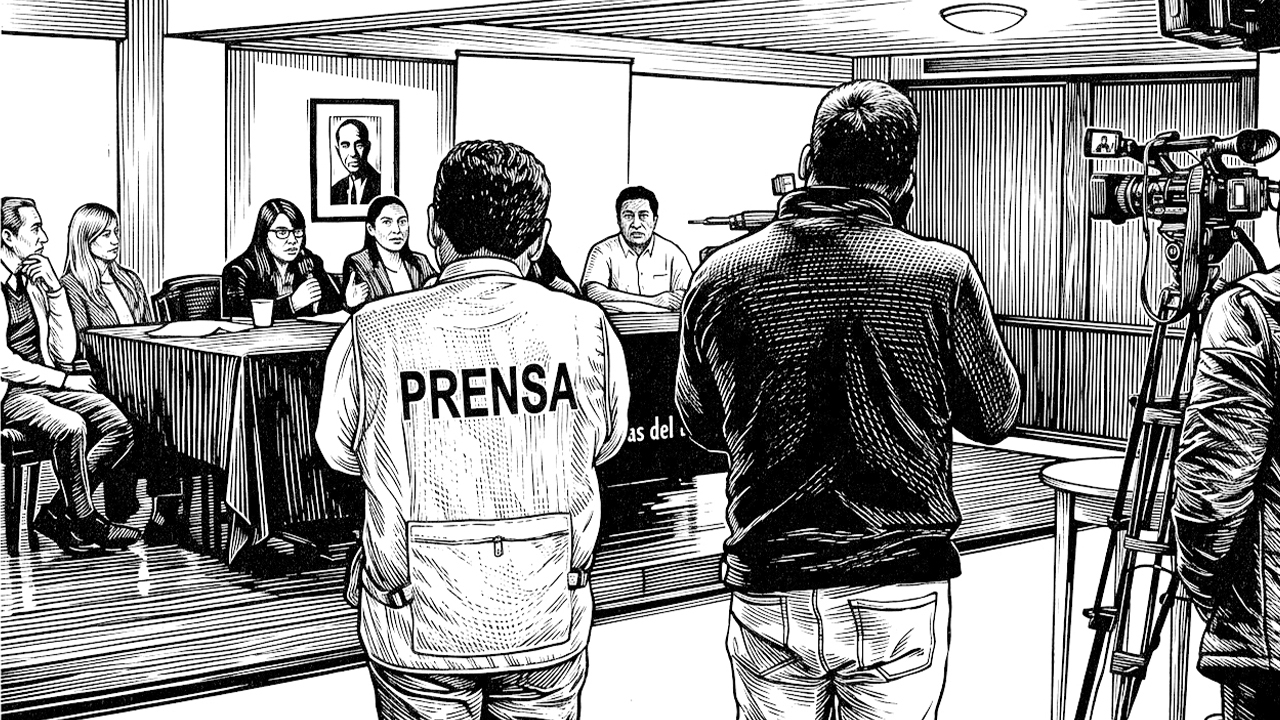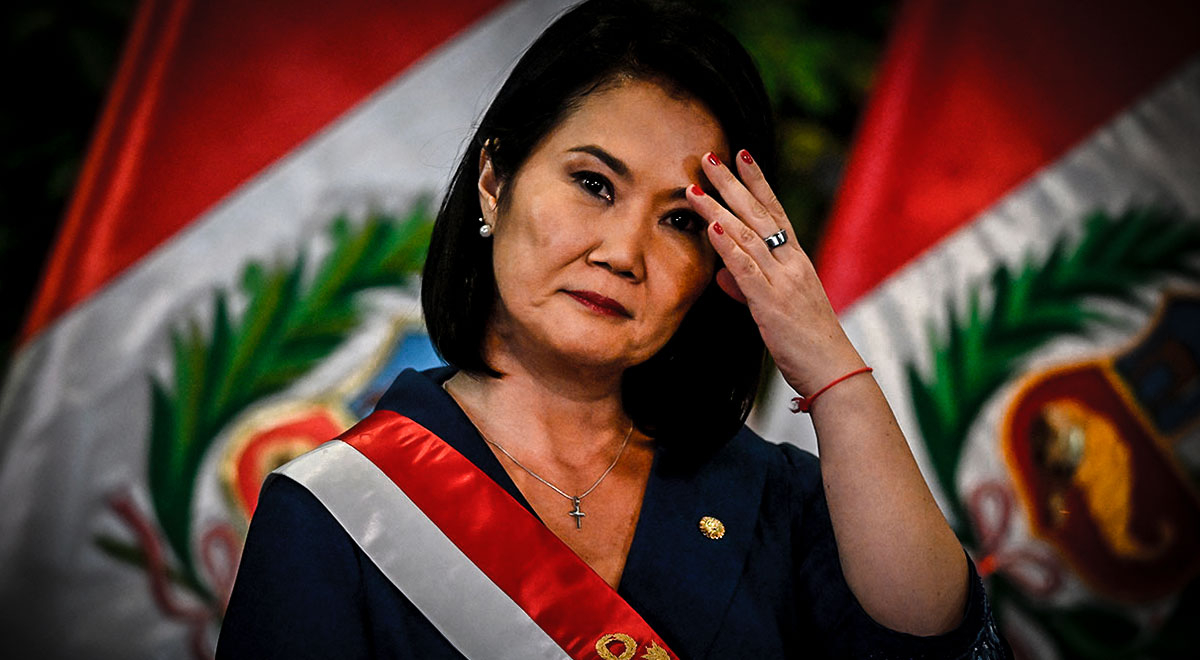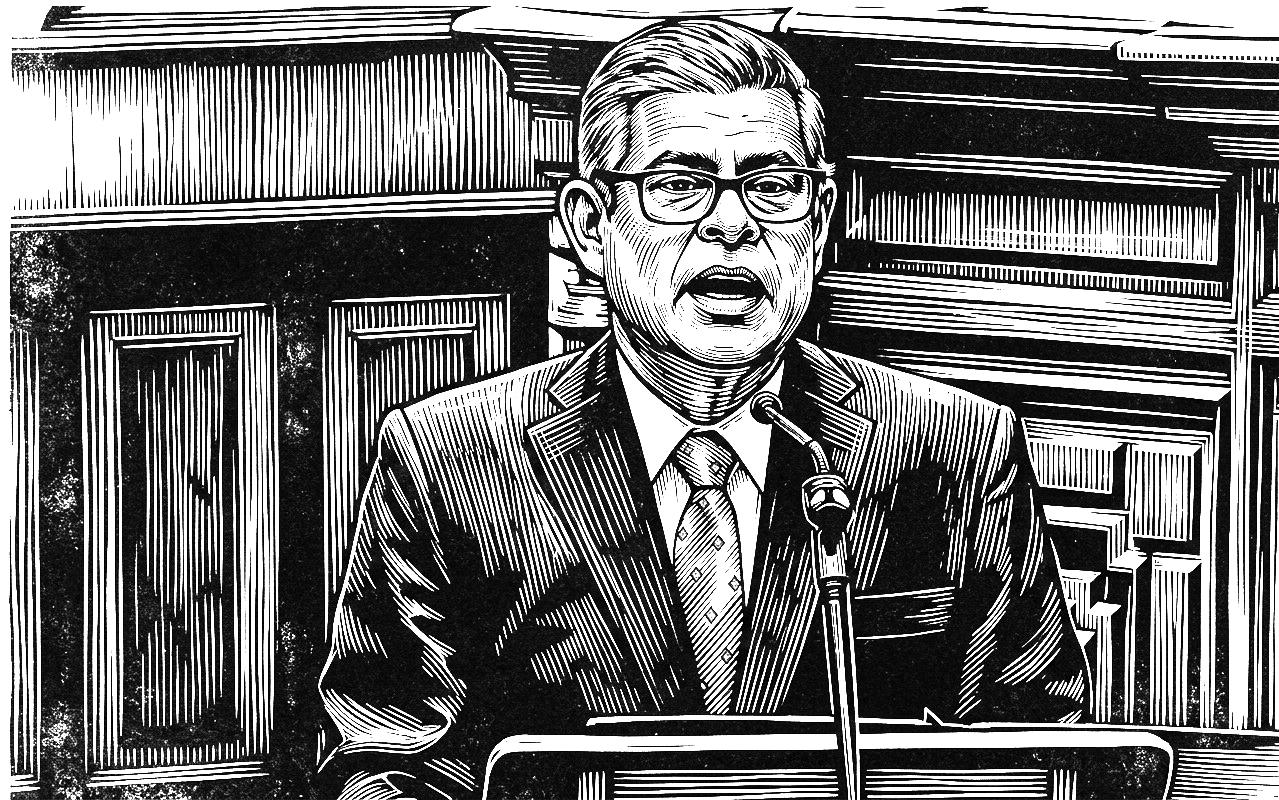

The Peruvian government has formally requested broad delegated legislative powers from Congress to overhaul major criminal, labor and public administration laws. The proposal submitted by the Executive branch combines requests for highly specific legal adjustments with sweeping authority to modify foundational national codes.
The new legislative initiative modifies the order and language of an earlier draft project that circulated during the government's first days. However, political analyst Rosa María Palacios noted in a column for World Stock Market that the underlying intention of the cabinet to consolidate legislative control remains unchanged.
Sweeping changes to criminal legislation
In security matters, the Executive requested specific authorization for the exceptional and temporary participation of the Armed Forces in penitentiary centers. Alongside this targeted measure, the government requested broad powers to modify the entire Criminal Code, the Code of Criminal Procedure, the Code of Penal Execution, and the Military-Police Penal Code.
Palacios emphasized that these four bodies of law constitute the backbone of all Peruvian criminal jurisprudence. The Executive proposal does not specify which articles would be amended, what direction the changes would take, or whether existing pro-crime laws would be repealed under the broad authority.
The legislative package also contains populist measures that Palacios described as demagogic announcements that fail to resolve security problems. The proposal seeks to reclassify organized crime offenses under the label of terrorist organizations, which Palacios stated would alter nothing for victims targeted by contract killers. Additionally, the project proposes creating another legal instrument to over-regulate self-defense rights.
Labor regulations and public sector hiring
The government's requests in labor policy mirror its security strategy by combining narrow measures with vague reform mandates. The Executive retained its plan to review national public holidays, which Palacios identified as a victory for the Ministry of Economy and Finance.
At the same time, the bill included broad language proposing to strengthen the legal framework of private activity through a regime aimed at promoting formalization, social security, labor benefits, and dismissal protection. Palacios noted that such open-ended phrasing grants the government flexibility to execute major labor changes, including potential measures to eliminate arbitrary dismissal protections in favor of uncompensated termination.
The request further targets civil service employment by seeking to regulate suitability requirements for access to public functions, specifically for high-level officials, directors, and trust personnel. Palacios characterized this request as an urgent attempt by Prime Minister Galarreta's cabinet to relax rigid hiring rules established under former President Pedro Castillo, such as strict prior experience criteria that limited government appointments.
Concessions and executive restructuring
The legislative package includes political concessions directed at opposition factions at the expense of figures such as Fernando Rospigliosi. Specifically, the Executive proposed repealing the law that created the professional college of artists.
Palacios described the repeal as a gesture of support from Galarreta to Culture Minister Beingolea, who faces internal political pressure aimed at removing him from office. Simultaneously, the bill proposes a structural reform of the Executive branch that would reduce the state apparatus, potentially absorbing the Ministry of Culture into another ministry as a dependent agency.
Bicameral procedures and Senate power
The request arrived in parliament marked with urgency, limiting debate timelines and preventing extensive committee review in the Chamber of Deputies. The procedure marks a major test for Peru's newly restored bicameral Congress, operating 34 years after the country last functioned under a two-chamber legislative system.
Under the new constitutional rules, if the 74 opposition members in the Chamber of Deputies negotiate and narrow the scope of the Executive's request, the modified bill must still advance to the Senate. The Senate holds constitutional authority to alter the text passed by Deputies and restore the Executive's original broad proposal.
The political balance in the Senate is evenly split at 30 to 30 between government and opposition blocks. However, the ruling coalition previously secured a majority during the election of the Senate directive board by gaining the vote or silence of a single opposition member.
Opposition choices and parliamentary balance
Political parties including Renovación Popular and Fuerza Popular may seek to insert their own legislative priorities into the bill at the Senate stage. Coordination by Fujimori vice presidents is expected to ensure that the final text aligns with the preferences of Galarreta's cabinet while preserving broad legislative authority.
Palacios outlined three strategic options available to the majority opposition in the Chamber of Deputies. The first option is to modify the bill in Deputies and risk having those changes overturned in the Senate. The second option is to reject the request entirely in Deputies, which would prevent the bill from reaching the Senate and block the creation of the law.
The third option involves negotiating a comprehensive multi-party agreement across at least five or six congressional parties. Such a consensus would pass an agreed version through both Deputies and the Senate, preventing the Senate from overriding the lower chamber's decisions.
Palacios concluded that the delegation of powers request serves as a critical test for Peru's bicameral reform, the Executive's legislative strategy, and opposition leaders Nieto, López, Sánchez, and Belmont. If opposition leaders fail to maintain a cohesive coalition of at least 66 votes in Deputies, legislative control will shift toward Keiko Fujimori and the ruling coalition, shaping the first law produced by Peru's bicameral parliament in 34 years.