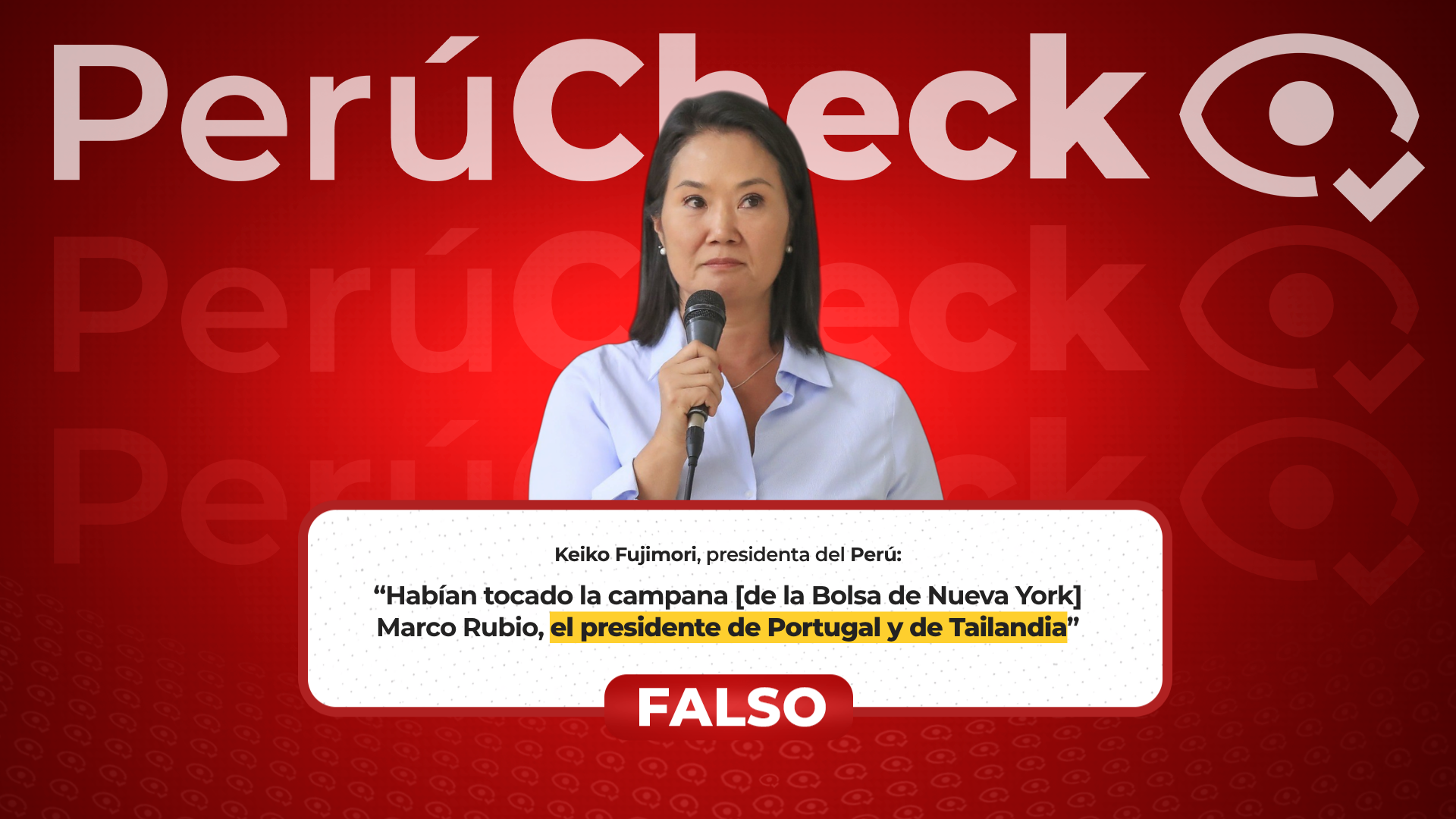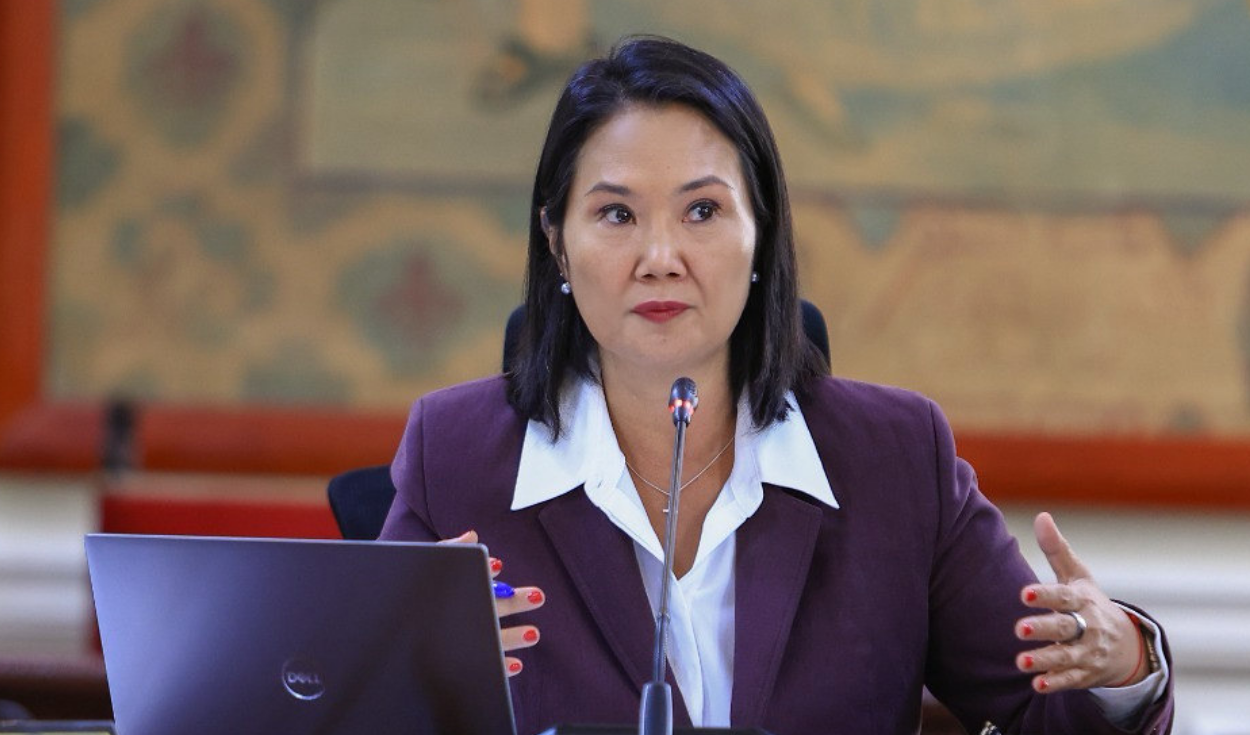
Peruvian President Keiko Fujimori's government sent a request to Congress on Friday for 120 days of legislative powers.
The legislative package covers citizen security, tax reform, and environmental measures. It includes proposals to deploy the Armed Forces to support the prison system and to deliver humanitarian aid directly in response to the El Niño climate phenomenon. The move comes after five postponements since Fujimori announced the plan on July 28.
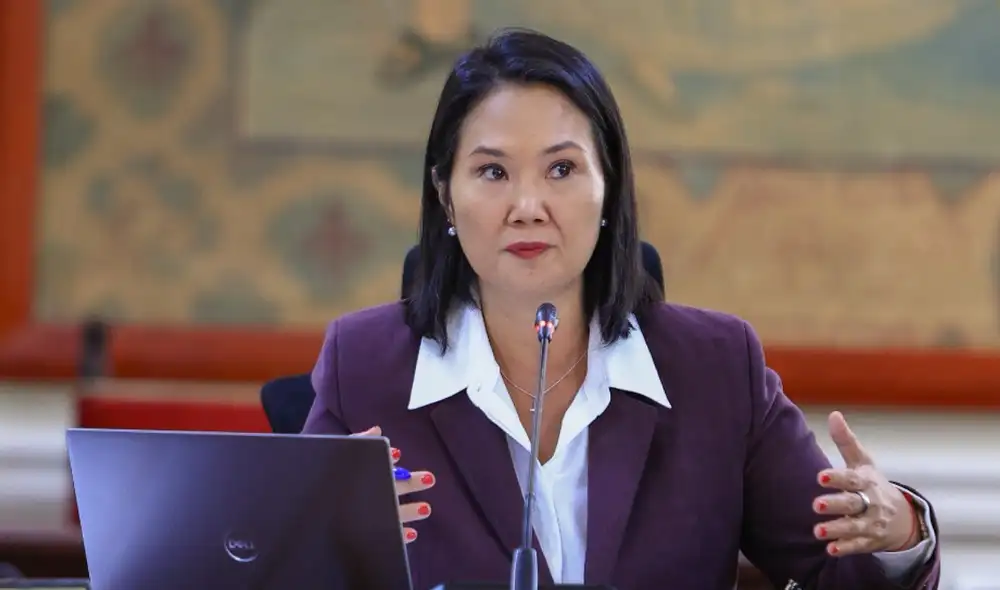
The project will now be debated by the designated congressional commission before moving to the plenary of the Chamber of Deputies for a vote. Peru's legislature recently returned to a bicameral system, comprising the Chamber of Deputies as the lower house and the Chamber of Senators as the upper house.
Military deployment in prisons
Julio Corcuera, a former deputy interior minister, said the state of the penitentiary system is grave and requires urgent changes. He said prisons must stop functioning as informal operation centers and universities of crime, and that extortion from inside the facilities must end.
However, Corcuera questioned whether deploying the military to prisons would effectively reduce crime. According to Defense Minister Rafael Belaúnde, the Armed Forces will only support the external perimeters of the prisons and will help control the products entering the facilities. Belaúnde emphasized the use of bells and scanners to monitor the entrances.
Corcuera noted that securing the perimeter is not specifically designed to prevent escapes or unauthorized entries. He pointed out that recent murders targeting transport companies have occurred in northern Lima, San Juan de Lurigancho, and Villa María del Triunfo. These populous districts of the capital are far removed from the prisons, meaning there is not necessarily a relationship between the two, he said.
If the military's role is limited to the perimeter, Corcuera said, it does not appear that it will result in a significant change.
Political and economic tests
The legislative request represents a major test for the incoming government. Alejandro Mejía, a political scientist and professor at the National University of San Marcos, said this will be the first trial by fire for Fujimori's administration and its ability to negotiate with opposition parties in the Chamber of Deputies.
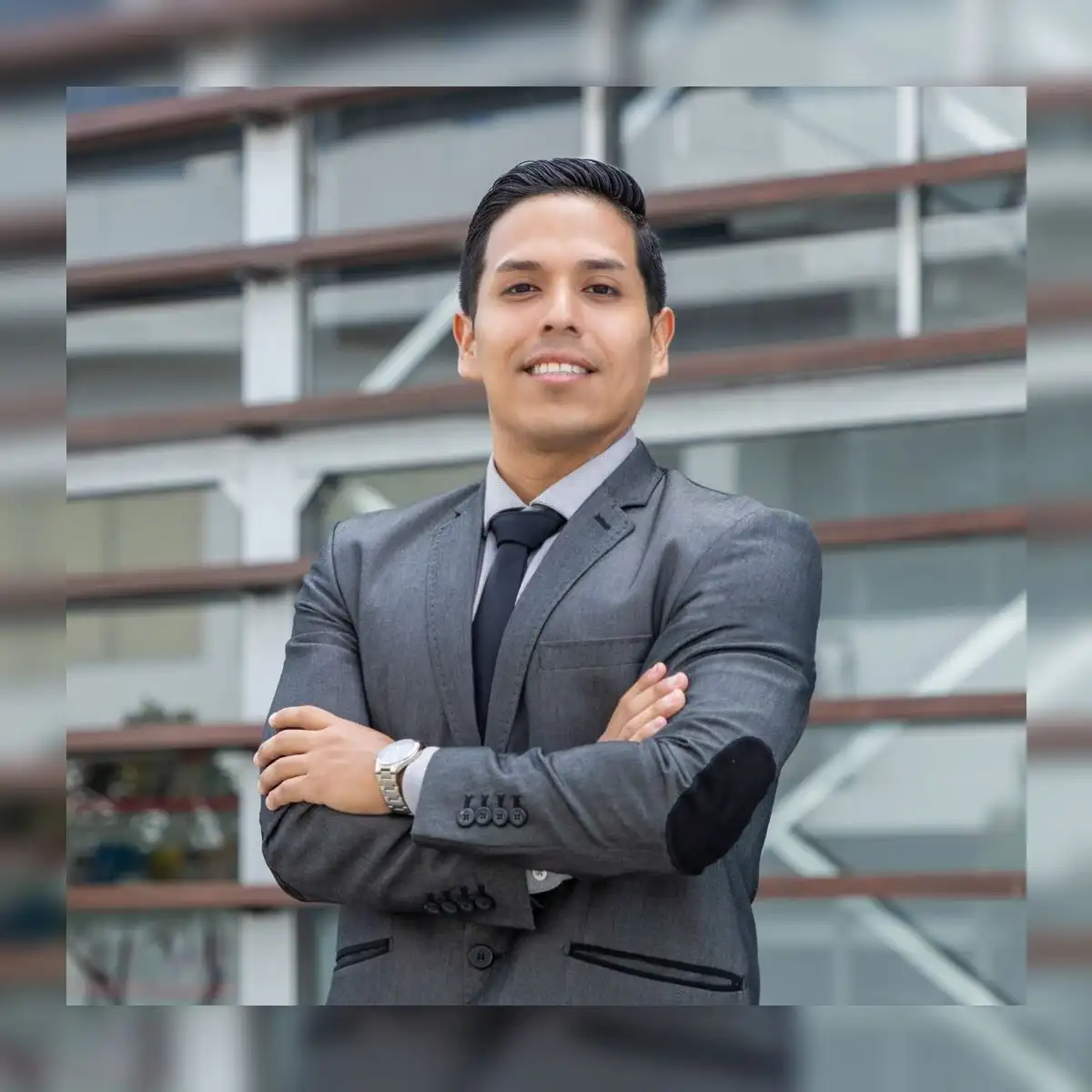
Mejía said the government took time to refine its proposals following the political reactions to the leak of an initial draft in July. He noted that while it is customary for a new government to request legislative powers, Congress typically excludes certain topics and only partially approves high-priority issues such as economic reactivation, tax reforms, and citizen security.
Fujimori's government has made it clear that it needs to reduce state bureaucracy, Mejía said, describing the request as essential. He added that there is high expectation from citizens, who are demanding government action against organized crime and the consequences of El Niño.
Mario Vergara Silva, a finance expert and postgraduate professor at the ESAN Graduate School of Business, addressed the economic proposals. He said eliminating the government-imposed cap on interest rates would allow thousands of Peruvians to access credit.
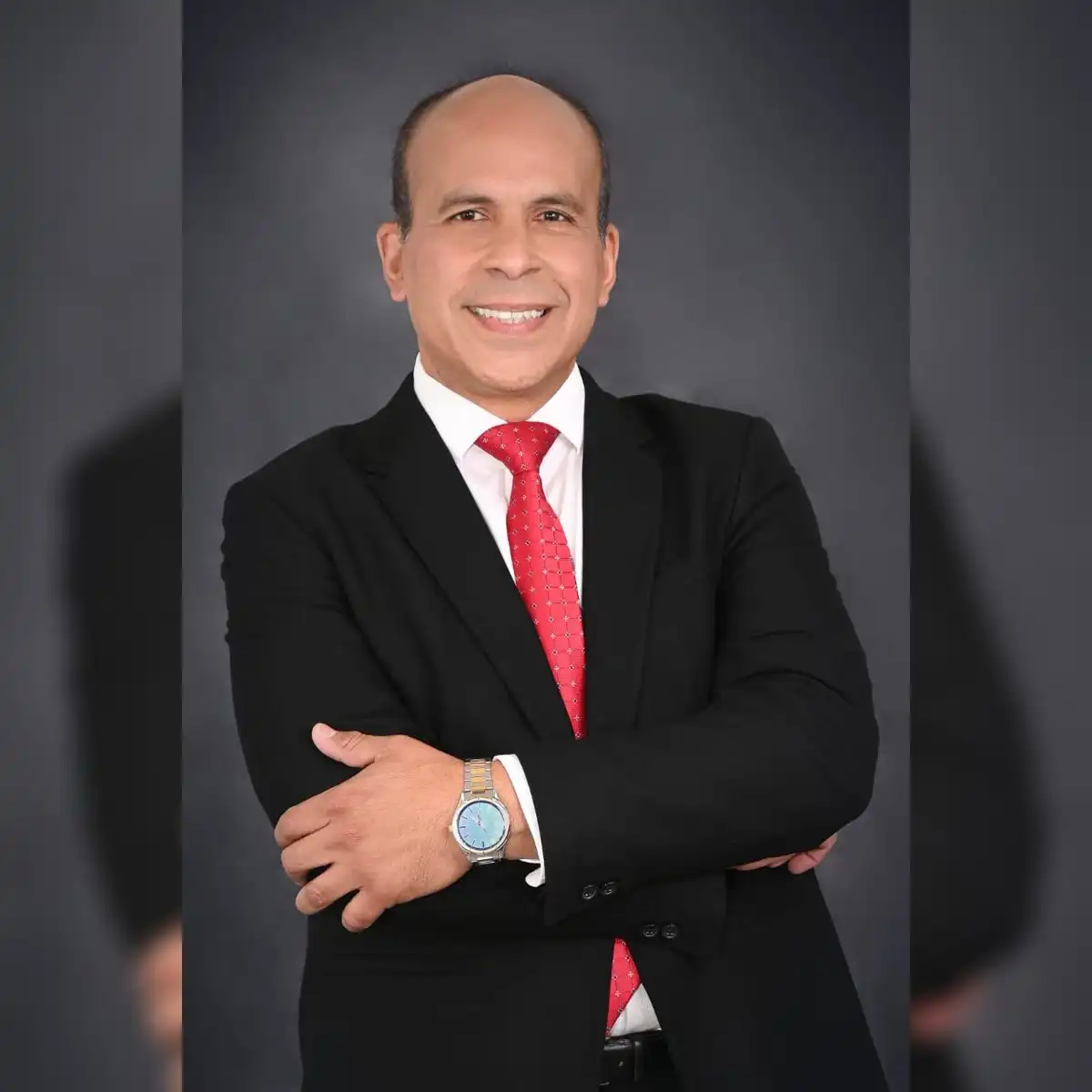
Financial institutions tailor interest rates to clients, Vergara Silva said, meaning a customer with a good credit history could secure an immediate loan at a low rate. In contrast, those without a credit history, permanent income, or real solvency would likely face high interest rates, which banks use to cover the risk of future defaults.
Vergara Silva argued there is no need to interfere with the free market economy, noting that Peru's economic growth has practically recovered. He said the 2021 law protecting consumers of financial services from usury was passed specifically to mitigate the economic impact of the coronavirus pandemic on Peruvian families and to stop banking abuses. Foreign investment in Peru multiplies every year because of the free market, he added.
Regarding proposals involving the biometric data of minors, Vergara Silva said children under 12 are considered especially vulnerable. He said accessing their biometric and affiliation records requires prior, informed, and explicit consent from their parents, and he cautioned against exposing minors to inherent dangers given the current climate of criminality and insecurity in the country.
Environmental reforms and El Niño
The legislative package also includes measures to deliver aid during the El Niño phenomenon, a climate pattern that warms the Pacific Ocean and causes extreme weather and severe flooding along the Peruvian coast.
César Ipenza, an environmental lawyer, described the request for powers to act against El Niño as an urgent response, but warned that implementing the proposals so victims receive direct aid will involve significant challenges. He said control and efficiency mechanisms must be identified and conditions set to prevent the corrupt practices seen in the past.
Ipenza said the legislative measures are arriving late, noting that the debate in parliament will consume a lot of time. He said the situation will be a challenge for Congress, requiring significant effort to pass through both legislative chambers, especially given the sensitivity of the topics.
The proposals go beyond El Niño relief, Ipenza said, encompassing a broader framework that flexibilizes environmental regulations and leaves natural protected areas without protection.