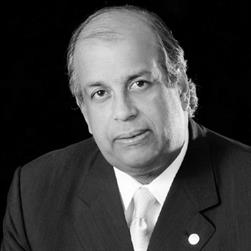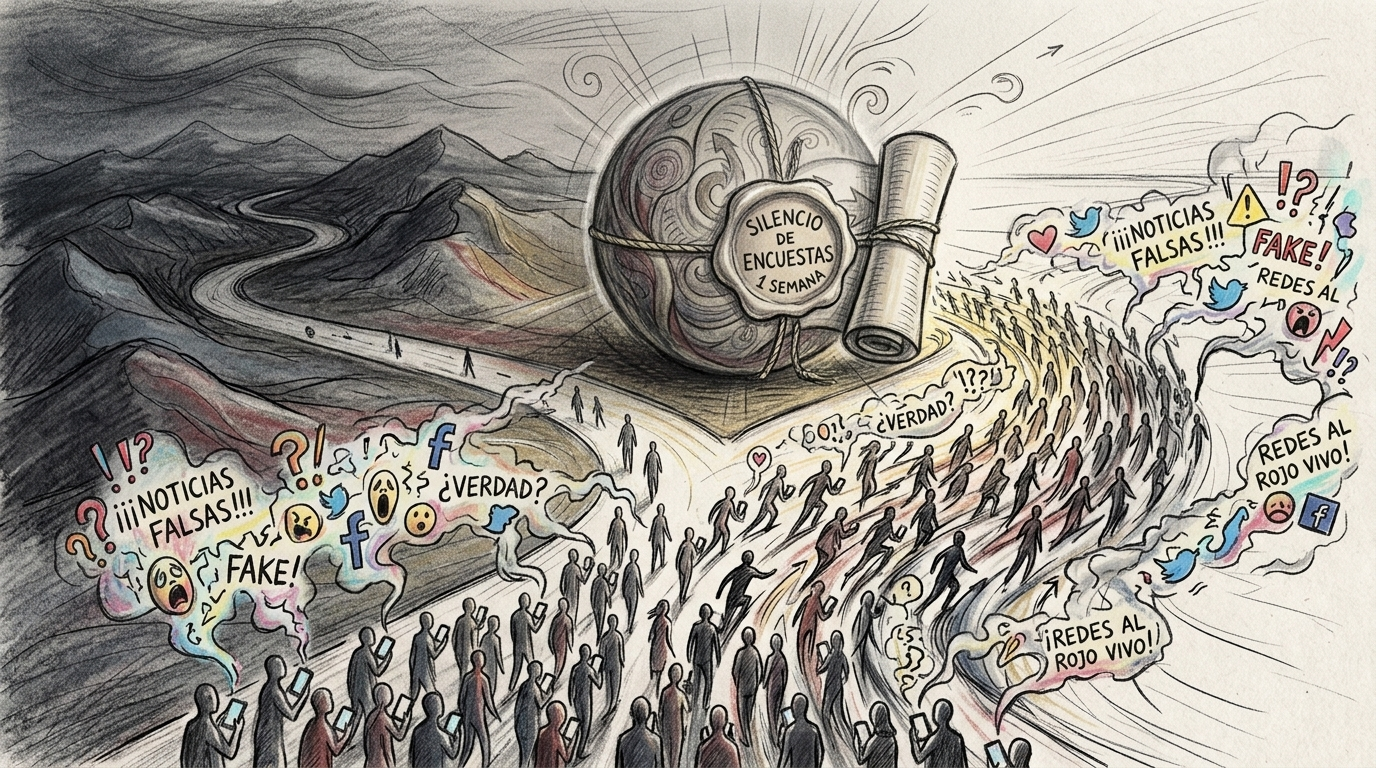
Peruvian editor and communicator Patricia Arevalo Majluf has called for an immediate repeal of Peru's electoral silence law, warning that legal restrictions on pre-election polling data damage democratic governance and leave voters misinformed during critical decisions.
Writing in her column for the Peruvian daily newspaper La Republica on Tuesday, October 6, 2026, Arevalo Majluf pointed to widespread uncertainty across Metropolitan Lima and municipal districts nationwide, where citizens woke up on Monday without knowing who their elected mayor would be.
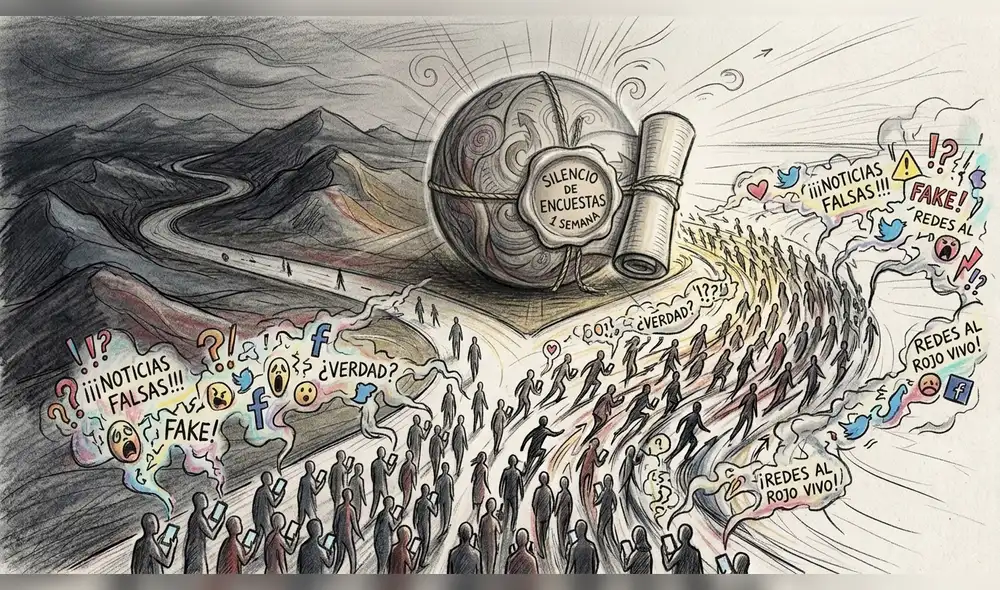
According to Arevalo Majluf, the confusion stems from two distinct factors: institutional silence from the National Jury of Elections and a statutory ban prohibiting media outlets from publishing opinion polls during the final week of an election campaign.
Mayoral Uncertainty in Lima
The National Jury of Elections, the constitutional body responsible for supervising the legality of elections and enforcing electoral regulations in Peru, failed to issue an official declaration regarding incumbent Mayor Rafael Lopez Aliaga and other municipal candidates who are legally prohibited from seeking consecutive terms.
Peru introduced constitutional reforms prohibiting immediate re-election for municipal mayors and regional governors to prevent power concentration and curb corruption in local government. Despite these constitutional bans, ambiguity surrounding candidate eligibility persisted without formal clarification from electoral authorities prior to voting day.
Compounding the regulatory silence is Peru's electoral ban on disseminating voter preference surveys during the seven days leading up to an election. Arevalo Majluf noted that very few residents in Metropolitan Lima, a capital city housing nearly one third of the national population, were aware that the second-place candidate had narrowed the gap on the frontrunner, who had held an apparently dominant lead in earlier published surveys.
She stated that if voters had been aware of the actual polling situation, many would have altered their votes to support the second-place candidate. Instead, many electors believed the favorite candidate was impossible to defeat and refrained from casting a strategic vote.
Strategic Voting and Information Disparity
Under Peruvian electoral law, the prohibition on pre-election polling was designed to prevent media manipulation. However, critics argue that the policy creates an uneven playing field by favoring political insiders with private poll access while leaving the general public uninformed.
Arevalo Majluf stated that when official information is restricted, social media networks become flooded with unverified claims and false news, making it difficult for citizens to determine reliable facts. This lack of information allows candidates facing high public rejection to win elections.
She emphasized that public opinion polls enable strategic voting, giving citizens the ability not only to vote in favor of a preferred candidate but also to cast a tactical vote against candidates they oppose. She observed that a candidate with a 70 percent public rejection rate can win an election simply due to voter ignorance of real polling trends.
The columnist recalled that similar circumstances occurred during recent Peruvian national elections, where the margin between the second and third place candidates vying to reach the presidential runoff was extremely narrow. She stated that had voters known the true standings, Peru might currently have a different government.
Broader Political and Social Commentary
The call to repeal electoral blackout laws is part of ongoing commentary published under the Las Tejedoras byline in La Republica. The column, which translates to The Weavers, serves as a regular opinion space in the Lima-based newspaper for female writers and commentators addressing governance, human rights, and social equity.
In a previous column published on September 30, 2026, the author criticized a speech delivered by political leader Keiko Fujimori before the United Nations. In that address, Fujimori defended individuals accused of crimes committed during state counter-terrorism operations, an argument that critics said disqualified the work of judicial institutions.
Earlier pieces published in September 2026 examined systemic violence, gender inequality, and the weakening of government policies tackling social problems. A column on September 23, 2026 expressed concern over deteriorating social protections, while a September 17, 2026 article argued that public discourse regarding childhood often ignores the severe violence and inequalities affecting young girls and female adolescents.
In addition, a column published on September 09, 2026 analyzed how social class, gender, and reproductive rights influence an individual's ability to protect their privacy, access legal advice, or confront powerful figures in Peruvian society.
Arevalo Majluf concluded that repealing the electoral silence law is an urgent priority alongside broader electoral reform, describing the prohibition as an anachronistic rule that actively harms democratic decision-making in Peru.