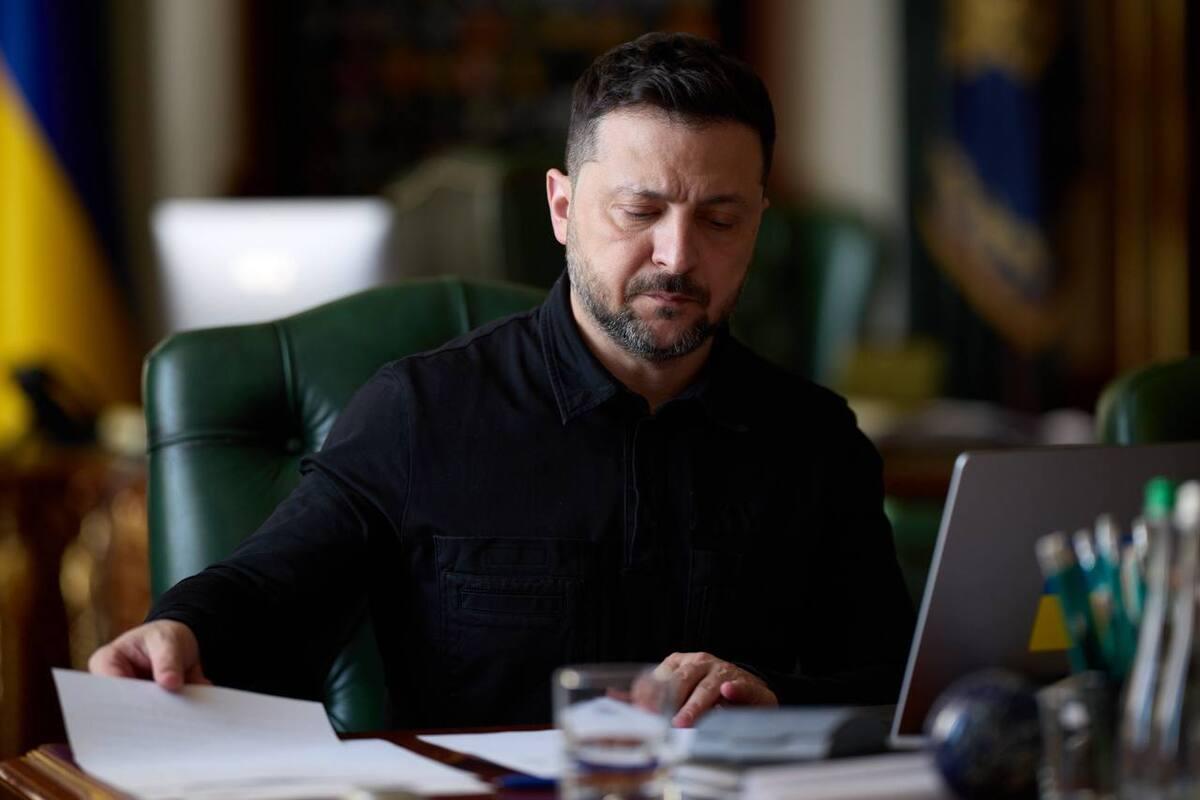
Spanish Prime Minister Pedro Sánchez has faced sharp criticism after a report revealed his coalition government routinely denies public information requests submitted by citizens. According to an extensive investigation and editorial published by Madrid daily newspaper La Razón on August 23, 2026, cabinet officials frequently invoke national security and official secrecy laws to restrict access to routine administrative data.

The report claims that despite boasting of being the most transparent and efficient administration in Spanish history, the executive branch regularly turns down requests filed through Spain's official Transparency Portal. Officials have routinely shielded details concerning public expenditures, infrastructure safety, defense trade, and private corporate acquisitions from public scrutiny.
Key requests blocked by the government
Among the specific petitions rejected by government departments was a request for records on extra flight hours accumulated by aircraft transporting cabinet members. Spanish ministers frequently travel aboard military Falcon jets, but details regarding these flights were withheld on national security grounds.
State railway infrastructure manager ADIF also rejected requests regarding the maintenance condition of tunnels on the AVE high-speed rail network. The agency justified its refusal by claiming that releasing such technical data would expose exploitable vulnerabilities in critical transport infrastructure.
Other withheld files involved the cost and bodyguard deployment for Prime Minister Sánchez during his summer holidays at La Mareta, a royal estate in Lanzarote. In addition, administrative offices blocked requests concerning Spain's defense trade regulations with Israel, the financial terms of Zegona Communications' purchase of Vodafone Spain, and official impact assessments on computer networks following the national blackout of 2025.
The newspaper also noted that information regarding an internal Socialist party dispute in the autonomous city of Ceuta was withheld from the public, claiming the government cited state interest to cover electoral considerations.
Legal mechanisms and administrative delays
The report highlighted that government departments routinely rely on Spain's 1968 Official Secrets Law, legislation dating back to the regime of Francisco Franco, to justify withholding public documents. Critics note that the broad classification powers under the law allow ministries to classify administrative records without mandatory public disclosure timelines.
La Razón reported that when authorities do not explicitly cite state security, ministries often fail to respond to citizen petitions entirely. By leaving requests unanswered, administrative bodies force citizens and journalists to appeal to the courts of justice, a burdensome legal process designed to encourage applicants to abandon their inquiries.
In cases where officials do provide responses, the newspaper noted that information is frequently delivered incomplete. Crucial data points are systematically concealed, distorting the reality of executive actions and public spending.
Broader governance criticisms and reform calls
The editorial argued that the governing style of the administration reflects a broader pattern of bypassing standard legislative processes. According to the paper, the executive operates under the belief that it can govern without approval from Parliament and without passing new General State Budgets.
The article further accused political leaders of evading accountability by shifting responsibility onto external targets, including opposition parties and private property owners in the rental housing market. The paper stated that officials routinely invoke reasons of state to mask decisions made for partisan advantage or electoral calculations.
La Razón concluded that meaningful public oversight will remain unachievable until a future government passes legislative reforms to strengthen Spain's transparency laws and enforce compliance across all public institutions.