Spanish Prime Minister Pedro Sánchez is preparing a political initiative for the new term from his holiday retreat while facing a border crisis in Ceuta.
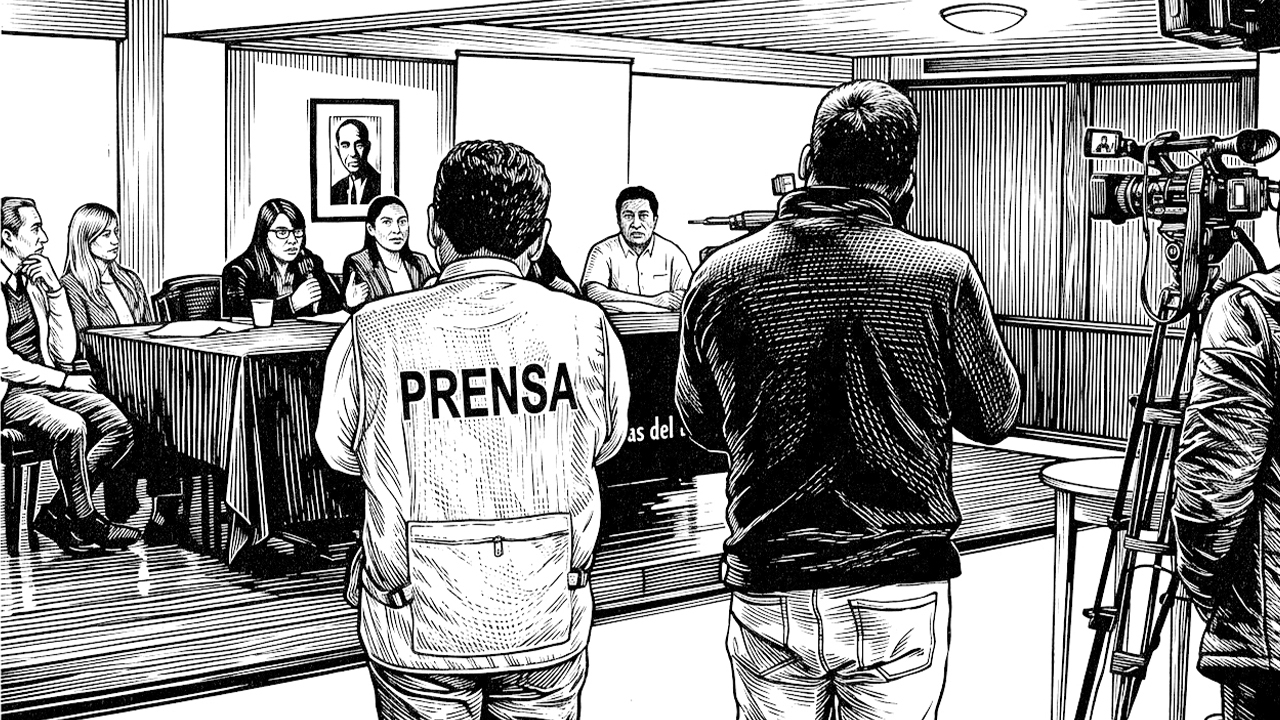
Sánchez has remained at the royal estate of La Mareta in the Canary Islands despite growing turmoil over border control in the North African enclave. The Spanish government has promised to return everyone who crossed the border fence back to Morocco, while seeking to relocate 500 migrant girls to mainland Spain.
The European Union has demanded that no irregular migrants reach continental Europe. However, legal experts and political figures acknowledge that the crisis in Ceuta could drag on for months due to generous and imprecise legislation, provided no new incidents occur.
Border Security and Military Health Concerns
The entry into Ceuta has raised concerns over border security and national authority. Observers warn that a country unable to defend its borders risks appearing to be a failed state. Health risks have also surfaced, with reports that cases of scabies may already exist among Spanish soldiers stationed in the city.
Critics have cited empty rhetoric from the Foreign Minister as worsening the situation. Meanwhile, sharp public statements by Transport Minister Óscar Puente have raised questions over whether he is acting on his own ambition to succeed Sánchez or following directions sent from the Prime Minister's holiday base.
The border situation follows a difficult summer marked by widespread wildfires and controversial decisions regarding nuclear energy. Political commentators suggest these developments could mark a turning point for Sánchez, whose political career has been characterized by good fortune and resilience.
Political Strategy and Historical Parallels
Sánchez is recognized for launching bold moves and unexpected gambles to disconcert political opponents and rally his supporters. By keeping his intentions secret while staying at La Mareta, the Spanish leader has created widespread uncertainty to divert attention from current challenges.
The strategy reflects observations made by Charles de Gaulle, the French general who served as the first president of France's Fifth Republic between 1959 and 1969. De Gaulle remarked that a leader always keeps an element of surprise up their sleeve that others cannot grasp, keeping the public excited and breathless.
De Gaulle also cited the Latin principle that a leader does not deal with trivialities when asked about military supplies at a training academy. As the new political term approaches, Sánchez appears focused on preparing a fresh initiative to regain political momentum.