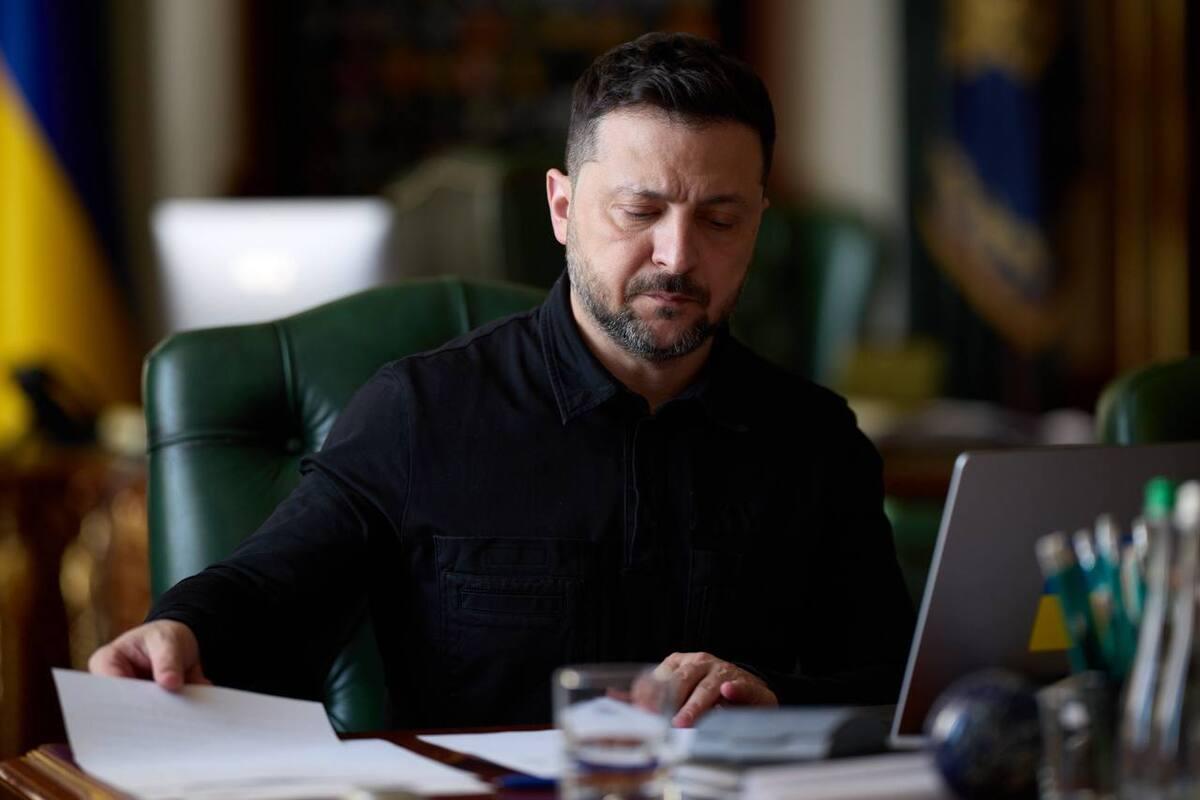
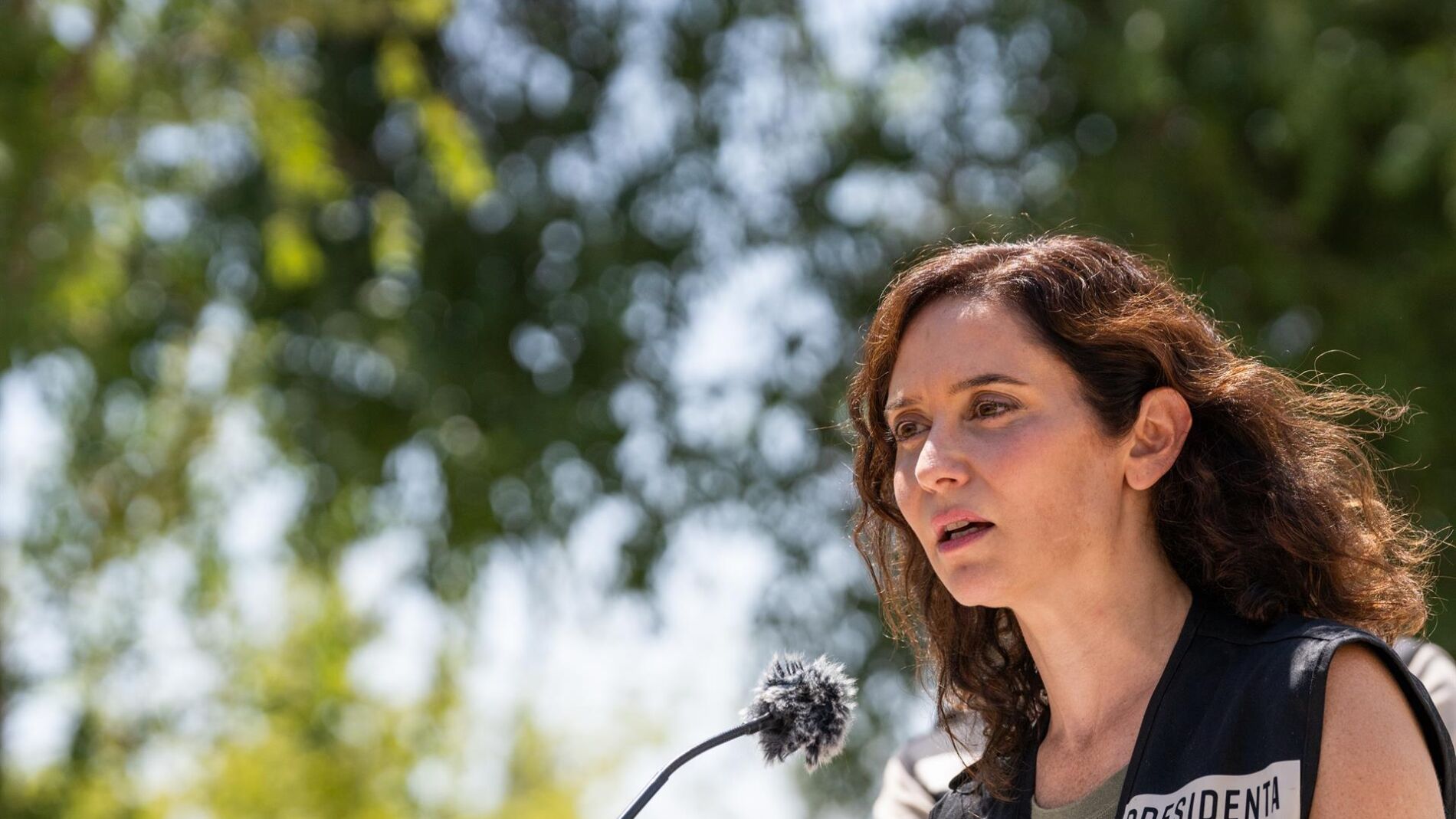
Community of Madrid President Isabel Díaz Ayuso has announced new financial aid packages for the wildfire-stricken Sierra Oeste region following fresh blazes this week. The regional leader revealed the funding while visiting devastated areas as local authorities continue rebuilding efforts across western Madrid.
The towns of Aldea del Fresno and Villamantilla were forced into confinement this week as flames once again threatened the area. Thick smoke, closed highways, and emergency firefighting operations returned to western Madrid just weeks after the region suffered its largest wildfire of the season.
Ayuso, who represents the conservative Popular Party, spent multiple days during August touring damaged towns across the Sierra Oeste, a mountainous area located in the western portion of the Autonomous Community of Madrid. The regional administration has been rolling out sequential recovery measures to support affected residents, businesses, and local infrastructure.
The latest funding package allocates one million euros for self-employed workers and small businesses that sustained property or operational damage. This allocation includes direct financial support aimed at replacing lost technology equipment and restoring associated professional services. An additional half a million euros has been directed specifically toward supporting the regional wine sector.
Disaster recovery funding for Madrid municipalities
Alongside agricultural and small business relief, regional officials announced targeted actions to promote local goods and strengthen enotourism across the affected wine-producing areas. Officials at the regional government headquarters at the Puerta del Sol in central Madrid noted that more than 50 distinct recovery measures have been enacted since the outbreak of the fires.
Speaking during a tour of the burnt territory, Ayuso said that much work remained ahead, but pledged that her administration would continue introducing recovery proposals daily to achieve an unprecedented level of reconstruction. She added that officials were striving to reach every corner of the region impacted by the terrible fires.
To revive local commerce during the upcoming season, the Community of Madrid is organizing an extraordinary autumn promotional campaign designed to attract tourists and visitors back to the Sierra Oeste. Regional planners hope the initiative will restore economic momentum to towns heavily reliant on seasonal trade.
The newly announced funds build upon an earlier 58-measure emergency package that mobilized up to 20 million euros from Madrid's Regional Investment Plan. That initial tranche provided immediate funding for urgent civic repairs, tax relief, municipal assistance, financial guarantees, and direct grants for livestock farms, retail stores, and independent workers.
A separate 30 million euro housing recovery initiative was also launched by the regional government. Utilizing public properties managed by the Social Housing Agency, the housing program provides temporary rehousing for displaced families, rent subsidies, and funding to repair homes damaged by the flames.
Political clash over housing and regional management
Ayuso chose to suspend her summer vacation to remain in Madrid and personally oversee the regional recovery operations. However, her public appearances in the Sierra Oeste coincided with intense political scrutiny from opposition parties regarding her personal living arrangements, including her move to a rented apartment and her Chamberí penthouse.
Addressing the controversy during a visit to the fire zone, Ayuso stated that she did not work for her political opponents who were away on vacation. She emphasized that her team was working tirelessly to assist citizens facing severe hardship, adding that she worked neither for Spanish Prime Minister Pedro Sánchez nor for the political campaigns organized by her critics.
Left-wing opposition parties have consistently focused their political attacks on Ayuso's residential situation rather than regional decree proposals. Political rivals have demanded transparency regarding the acquisition and use of her private residences in Madrid's upscale Chamberí district.
Transport Minister Óscar Puente intensified the political debate during an interview with news agency Europa Press. Puente asserted that the regional government's management surrounding the penthouse purchase ought to cost Ayuso votes in the upcoming May 2027 regional elections, describing the official acquisition and use of public resources as characteristic of a banana republic.
Health Minister Mónica García, who leads the regional opposition coalition seeking to unseat Ayuso in 2027, also attacked the regional president on social media. García declared that Madrid deserved a government that spoke the truth and a leader who directed official resources toward solving problems for all citizens rather than using public office to obtain personal privileges.
Criticism of national migration policy
While confronting regional opposition, Ayuso launched strong criticisms against Prime Minister Pedro Sánchez, leader of the Spanish Socialist Workers' Party. Sánchez has been spending his summer vacation at the official La Mareta royal palace on the Canary Island of Lanzarote, amidst a sharp escalation in national migration challenges.
Tensions surrounding migration reached critical levels in Ceuta, a Spanish autonomous city located on the North African coast bordering Morocco. Simultaneously, 245 migrants arrived by boat in Lanzarote in a single night, landing near the security perimeter surrounding the president's official residence, which contains the only protected beach on the island.
Ayuso publicly questioned the financial cost of maintaining the prime minister at the royal residence during a national crisis and criticized his absence while situation in Ceuta deteriorated. She also highlighted that several cabinet ministers had traveled to Yebes to observe a solar eclipse while regional problems mounted.
Referring to the situation in North Africa, Ayuso stated that after 16 days of an invasion tolerated by the central government while Sánchez remained relaxed on vacation in flip-flops at La Mareta, Ceuta was on the verge of total collapse. She contrasted her own boots on the ground in fire-damaged towns with what she described as the prime minister's summer footwear.
Ayuso further charged that Sánchez was not only irresponsible but also a traitor for abandoning the residents of Ceuta during a period of maximum security alert. She added that Sánchez's policy of uncontrolled immigration harmed the European Union as a whole and expressed regret over the political treatment endured by Italy regarding border management.
Reports from Ceuta indicated severe conditions within local reception centers, including severe overcrowding, outbreaks of scabies, and extreme vulnerability among arriving populations. The central government also faces a turbulent autumn judicial schedule involving ongoing investigations into alleged illegal party financing within the ruling party.
Health Minister García faced significant public pushback during a recent visit to Ceuta, where she was booed by onlookers and criticized by medical professionals over a lack of health resources to manage the migrant influx. Opponents noted that healthcare in Ceuta is administered directly by García's ministry through the National Health Management Institute, preventing her from attributing local healthcare shortcomings to regional authorities.
Commuter train disruptions across Madrid rail network
The heightened political sparring between regional and national leaders occurred alongside renewed infrastructure failures across Madrid's Cercanías commuter rail network, which is operated by the central government. Major service delays affected passenger lines C-2 and C-8 following cable theft and signal system failures near Alcalá de Henares.
Infrastructure breakdowns have become an increasingly frequent disruption for commuters across the Madrid metropolitan area. Resigned passengers experienced recurring schedule delays across key transit hubs throughout the capital region.
Delays were particularly acute at the Ramón y Cajal Hospital transit stop, a major commuter station serving one of Madrid's largest medical centers. Frequent train delays at the station repeatedly forced patients and visitors to miss scheduled healthcare appointments, adding to public frustration with central transport management.