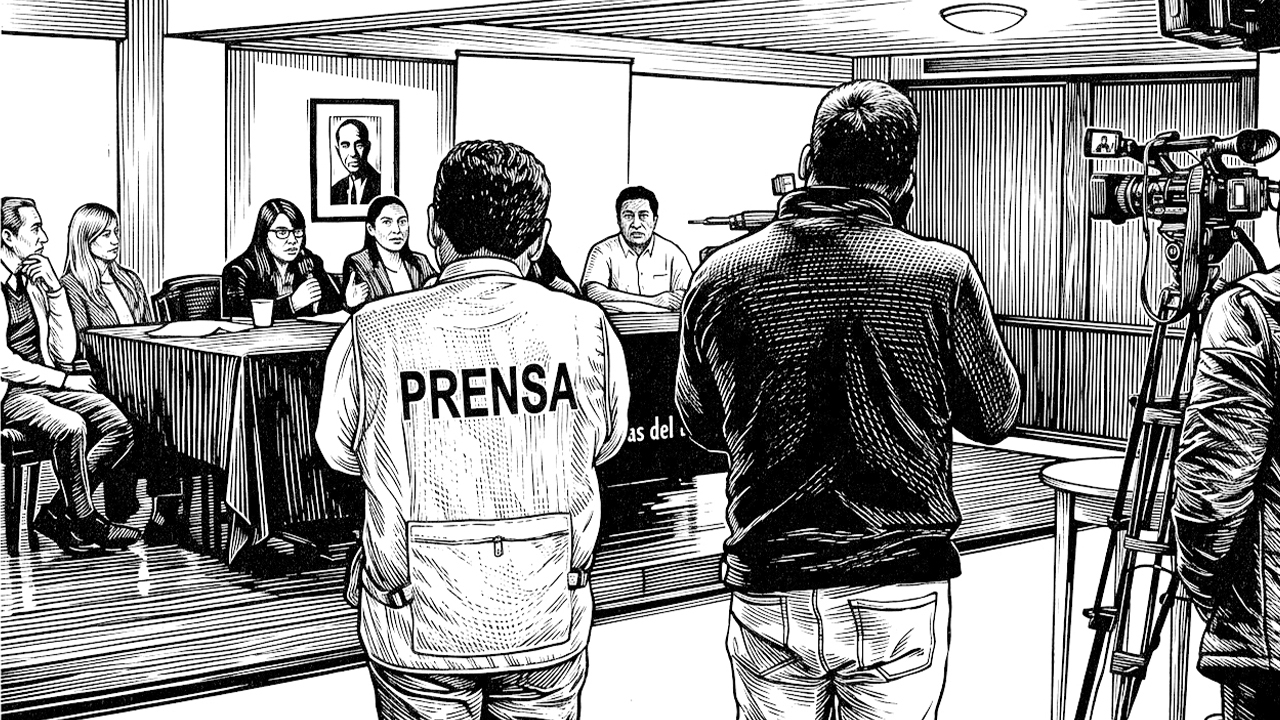
Spanish Prime Minister Pedro Sanchez is facing growing criticism 20 days after 80,000 migrants illegally entered the North African enclave of Ceuta. The influx has left local residents experiencing an unprecedented crisis in the European Union territory.
Several thousand migrants remain in the autonomous city following the border breach. Sanchez made a brief 1.5-hour visit to Ceuta before departing on 1 August for a summer holiday at the La Mareta estate in Lanzarote, managed by National Heritage.
While on vacation, Sanchez published recommendations for novels, comics and music for Spaniards to read and listen to during their summer break. Meanwhile, cabinet ministers have made frequent media appearances to claim that the border situation is under control.
Calls for resignations and minister appearances
Melchor Leon, a Socialist deputy and vice president of the local Assembly of Ceuta, demanded the resignation of the central government delegate in the city. Leon stated that Sanchez went on vacation just one day after arriving in Ceuta.
Foreign Minister Jose Manuel Albares stated that all migrants who entered illegally would be returned to Morocco. However, several cabinet ministers refused to appear before the Senate, agreeing only to address Congress at the end of the month after their holiday break.
Despite assurances from the government that every migrant will be returned, officials are currently preparing accommodation facilities to temporarily house 4,500 people.
European Union support and regional warnings
Juan Jesus Vivas, the president of Ceuta, stated that everyone who breached the border must be expelled. Vivas warned that failing to return migrants would signal to the world that violating Spanish territory forces asylum in Spain.
The European Union supports the stance taken by the Ceuta president. A European commissioner affirmed that returning underage illegal migrants is permitted under EU law and that deportations must be carried out, including immediate returns for thousands of migrants who refuse to leave voluntarily.
Concerns over the crisis have also spread to other Spanish territories located off the African coast. The president of the Island Cabildo of Gran Canaria warned that while Ceuta faces the situation today, the Canary Islands could face the same scenario tomorrow if action is not taken.
Ceuta and its sister city Melilla have been Spanish territories for centuries, pre-dating the establishment of the kingdom of Morocco. Morocco considers both enclaves to be usurped territories that should be returned to Moroccan sovereignty.