Ceuta President Juan Jesus Vivas has warned he will take the Spanish government to court as an 18-day migrant crisis overwhelms the North African enclave.
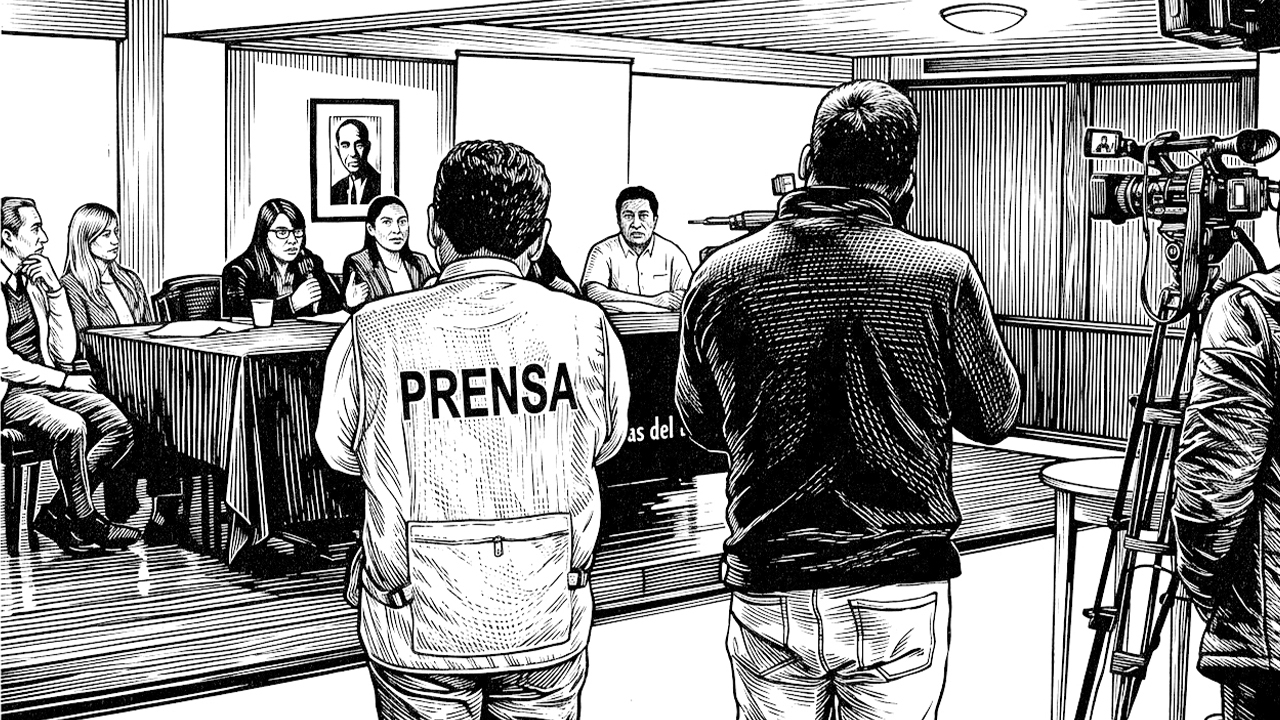
Vivas stated that the autonomous city was at breaking point as local authorities struggled to cope with an influx of migrants, accusing visiting cabinet ministers from Madrid of failing to manage the emergency.
Ceuta is a Spanish autonomous city situated on the North African coast, sharing a land border with Morocco across the Strait of Gibraltar. As a territory of Spain and an external border of the European Union, the enclave has long been a focal point for migration routes into Southern Europe.
Rising tensions on the border
Spanish Minister of Inclusion, Social Security and Migration Elma Saiz announced on Monday that the central government would set up temporary camps to shelter migrants in the territory. However, local officials noted that the measure arrived late as conditions in the streets became untenable.
Defence Minister Margarita Robles deployed units from the Spanish Armed Forces to reinforce border security along the perimeter. Meanwhile, Interior Minister Fernando Grande-Marlaska dispatched additional officers from the National Police and the Civil Guard to assist local security forces.
Despite the increased police presence, critics highlighted a shortage of specialized foreign identification officers needed to swiftly process juvenile migrants. Under existing legal protocols, unidentified minors are required to be safely returned to Morocco once their identities are established.
Overcrowding and public health concerns
Hundreds of migrants remain overcrowded in public spaces, sleeping on temporary mats, wandering street corners, or sheltering in makeshift shacks along beaches and nearby hills. The lack of basic sanitation and food access has raised growing concerns over public health and hygiene across the city, forcing some migrants to scavenge for food out of extreme necessity.
The ongoing crisis has disrupted daily life for Ceuta residents, forcing some local supermarkets to close over security concerns. Parents have also expressed uncertainty over safety as the upcoming school year approaches.
Health Minister Monica Garcia visited Ceuta 16 days after the crisis began, stating that associating immigration with disease amounted to xenophobia. However, local observers argued that the risk of disease stemmed strictly from severe overcrowding and poor living conditions rather than the migrants themselves.
Criticism of central government response
During her visit, Garcia faced criticism for failing to meet with local medical professionals or visit Ceuta University Hospital, the enclave's sole public hospital, which operates under the direct oversight of the Ministry of Health.
Critics noted that the health ministry should have established a temporary field hospital to care for sick migrants while legal deportation proceedings were processed. Instead, Garcia accused autonomous city officials of mismanaging the situation before returning to Madrid, prompting calls from political commentators for her resignation.
Several cabinet members who visited the territory faced public boos from residents during brief meetings with Vivas and municipal councillors. With central government ministers quickly departing after ceremonial meetings, Vivas reiterated that Ceuta would pursue legal action in court unless Madrid provided immediate administrative and operational relief.