Dozens of municipalities across the Community of Madrid staged demonstrations on September 2, 2026, to support the autonomous city of Ceuta following the arrival of tens of thousands of migrants from Morocco.
Coinciding with Ceuta's Autonomous City Day, the rallies form part of a broader nationwide solidarity initiative called Por Ceuta that encompasses more than 260 towns across Spain. Local organizers described the gathering as both a show of solidarity and a formal complaint against what local leaders consider continued abandonment by Spain's central government.
Ceuta is a Spanish autonomous city located on the North African coast, sharing a land border with Morocco more than 600 kilometers away from central Spain. The Community of Madrid encompasses the capital city and surrounding municipal territories in the heart of the country.
Municipal Demonstrations Across the Region
Demonstrations were scheduled for 8:00 p.m. outside town halls across the region. According to data published on the Por Ceuta initiative website, official calls for gatherings were registered in northern and suburban municipalities including Alcalá de Henares, Alcobendas, Algete, Becerril de la Sierra, Boadilla del Monte, Brunete, Colmenar Viejo, Colmenarejo, El Escorial, Galapagar, Guadarrama, Hoyo de Manzanares, Las Rozas, Majadahonda, Moralzarzal, Paracuellos del Jarama, Pozuelo de Alarcón, San Fernando de Henares, San Sebastián de los Reyes, Torrelodones, and Tres Cantos.
Additional rallies were called in southern and outlying towns including Aranjuez, Arganda del Rey, Arroyomolinos, Ciempozuelos, Fuenlabrada, Humanes de Madrid, Leganés, Loeches, Móstoles, Pinto, Torrejón de la Calzada, Torres de la Alameda, and Villaviciosa de Odón. Municipalities governed by the Spanish Socialist Workers' Party, including Alcorcón and Getafe, had not announced street demonstrations at press time, though both local councils issued formal statements expressing support for Ceuta.
Protests and Illumination in the Capital
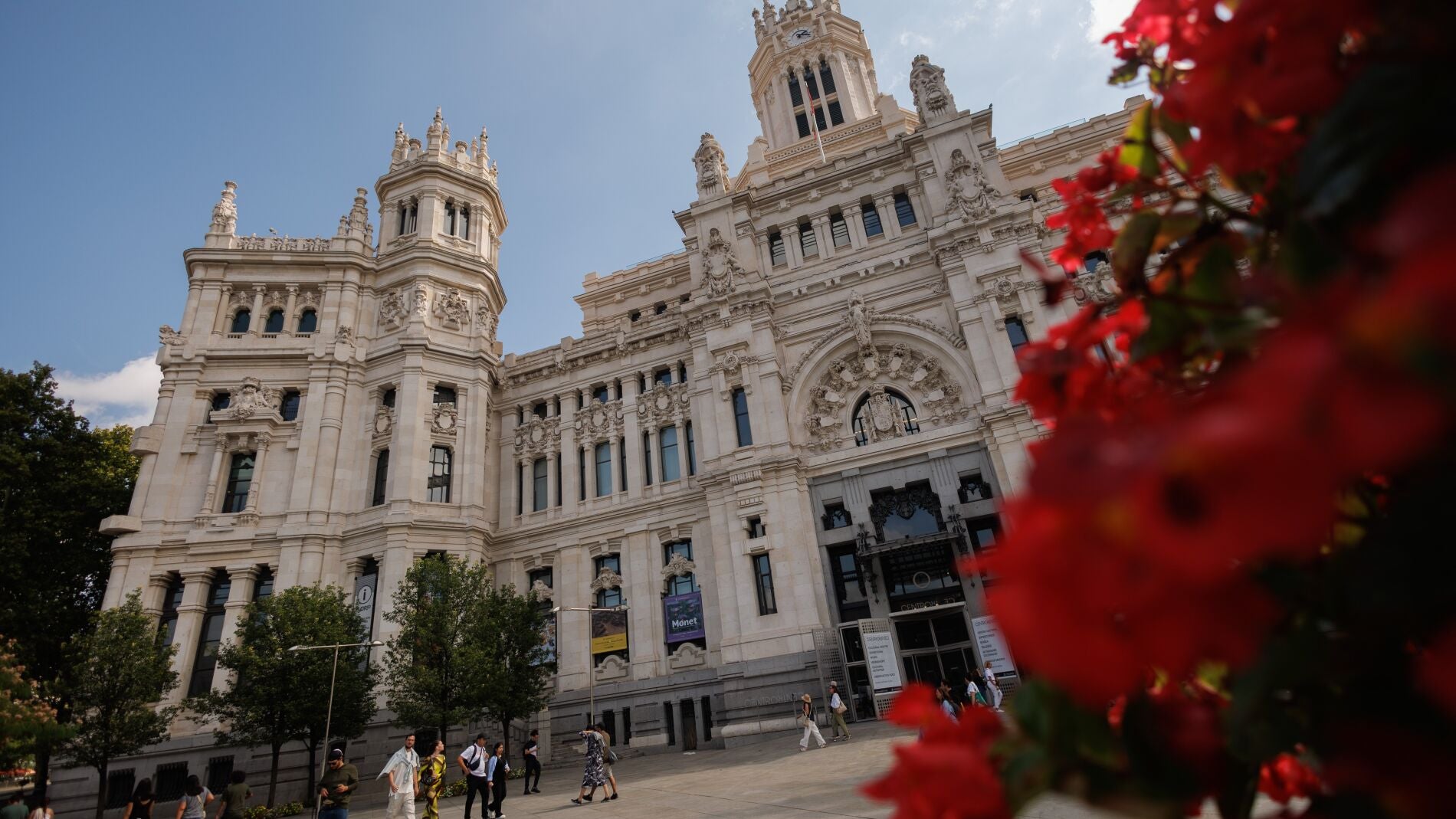
In Madrid itself, the mobilizations took on a dual focus with a demonstration called outside the Congress of Deputies, the lower house of Spain's parliament. A central gathering was also convened in Plaza de Cibeles by Madrid Mayor José Luis Martínez-Almeida to demonstrate institutional backing for residents facing what he called unacceptable pressure.
To mark the solidarity movement, both the Palacio de Cibeles, which houses Madrid City Council, and the Casa de Correos, the regional government headquarters in Puerta del Sol, were set to illuminate their facades in the official colors of the Ceuta flag.
Criticism of Central Government Border Policy
Local leaders framed the events as an indictment of current national border management. A majority of Madrid mayors maintained that the critical situation in Ceuta was not accidental, but the result of national policy marked by improvisation, lack of foresight, and the absence of a clear border strategy to maintain stability.
Mayor Martínez-Almeida placed the border crisis at the center of the political debate as the municipal term opened. He urged residents to gather at Plaza de Cibeles to send an unwavering message of support to Ceuta, adding that the unsustainable situation demanded immediate and decisive action from authorities.
Isabel Díaz Ayuso, the regional president of the Community of Madrid, also sharpened her tone regarding the crisis. She denounced the lack of a clear national state policy along Spain's southern border.
Demands for European Border Intervention
Judith Piquet, president of the Federation of Madrid Municipalities and mayor of Alcalá de Henares, described participation in the protests as an institutional and civic duty. She demanded that the central government firmly exercise its legal responsibilities, warning that loyalty between administrative bodies must not mean silence or resignation.
Piquet stated that while municipal governments are prepared to cooperate, town halls cannot serve as a breakwater for ongoing state improvisation or take on national duties without proper information, security, and funding. She emphasized that state financial assistance does not relieve the national government of its border security obligations, calling for the immediate deployment of European border and law enforcement agencies including Frontex and Europol.