Spanish Prime Minister Pedro Sanchez has blamed the United States, Israel, Russia and right-wing groups for a massive border crisis in Ceuta, while completely exonerating Morocco of any involvement in the arrival of 80,000 North African migrants.
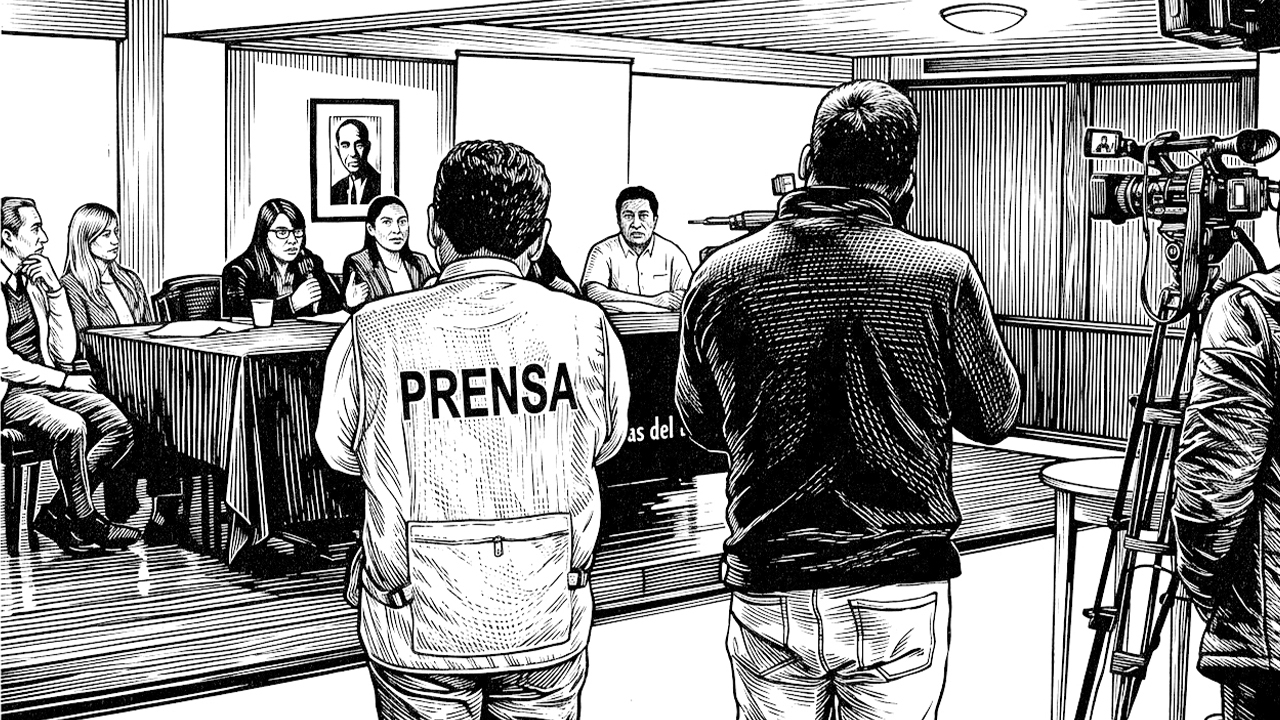
Speaking in a radio interview one month after the border breach, Sanchez defended his government's response to what has been described as the most dangerous national sovereignty crisis in Spain's democratic history.
Ceuta, one of Spain's two autonomous cities located on the northern coast of Africa, shares a heavily fortified land border with Morocco. The enclave is home to roughly 80,000 residents, meaning the reported arrival of 80,000 migrants effectively doubled the city's population in a single wave.
As one of the only land borders between the European Union and the African continent, Ceuta is frequently a flashpoint for migration. However, the scale of the recent crossings is unprecedented, placing immense strain on local resources and security forces.
Rather than addressing the nation from the Moncloa Palace, the official presidential headquarters in Madrid, or facing questions from lawmakers in the Congress of Deputies, the prime minister used the broadcast to praise the government in Rabat. He firmly denied that Morocco held any responsibility for the thousands of people who crossed the border.
Instead, Sanchez claimed that the destabilisation of the Spanish enclave was orchestrated by Israel, the US, Russia, a "reactionary International", a term often used by left-wing politicians to describe a global alignment of conservative and far-right political movements, and a coordinated campaign of hoaxes.
Bypassing parliament
The Spanish conservative newspaper La Razon heavily criticised the prime minister's appearance in a scathing editorial, accusing him of institutionalising the bypass of parliament. The newspaper argued that Sanchez has turned the legislature into a "broken toy" and treats his constitutional and legal duties as meaningless.
The publication noted that his failure to appear in Congress, the lower house of Spain's parliament where governments are traditionally held to account, separates him from democratic leaders and highlights an authoritarian streak.
The editorial warned that his radical defence of the Moroccan response and his complicity with the Alawite regime, referring to the Moroccan monarchy headed by King Mohammed VI, will inevitably warrant a thorough investigation to determine the extent to which Spain's national security has been compromised on a critical flank.
Cabinet divisions over intelligence
The crisis has exposed deep rifts within the Spanish cabinet regarding intelligence and the military's assessment of the situation in Ceuta. A central dispute involves internal reports on the destabilisation operation directed against the enclave, which the editorial characterises as an operation against Spain itself.
Sanchez, who leads the Spanish Socialist Workers' Party and has been in power since 2018, has aligned himself with Interior Minister Fernando Grande-Marlaska. The interior ministry oversees Spain's national police forces and border control. Together, they have argued that there was a lack of prior information about the mass crossing.
In doing so, the prime minister has publicly sidelined Defense Minister Margarita Robles and Spain's national intelligence agency, the CNI. La Razon accused Sanchez of being cruel and untruthful towards Robles and the intelligence agents, insisting they had fulfilled their duties in warning about the situation.
Unknown migrant numbers
During the interview, Sanchez admitted that he did not know exactly how many illegal immigrants had crossed into Ceuta during the initial wave, nor did he know how many currently remain in the city a month later.
He stated that there were criminals among the people who crossed the border, but added that there were also criminals among the local population of Ceuta, suggesting the residents were no longer merely victims of the crisis.
The prime minister indicated that the city would be sacrificed to serve as an enormous refugee camp, an approach the editorial condemned as treating the lives of Spanish compatriots without respect.
Furthermore, Sanchez admitted he still did not know how the massive breach was allowed to happen, though he noted that it is currently being investigated.
Violence in the streets
Sanchez also used the interview to defend his right to take a holiday during the crisis, stating that a president should rest when he wants to, rather than when the situation allows. He offered no self-criticism, empathy or apologies for the ongoing situation.
The prime minister's assertion that his government acted effectively and that Morocco showed diligence stands in stark contrast to the realities on the ground in Ceuta, according to the publication.
The editorial countered that the city has become a powder keg in the month since the border was breached. The streets have seen severe public disorder, including ambushes, the throwing of Molotov cocktails, warning shots being fired into the air, police charges, and rapes.
La Razon concluded that Sanchez's presidency is exhausted and his failure is absolute, warning that his exercise of autocracy poses the main threat to the country's future. The editorial suggested that the prime minister's actions and his fear of losing power are driven by ongoing corruption issues and justice system inquiries.