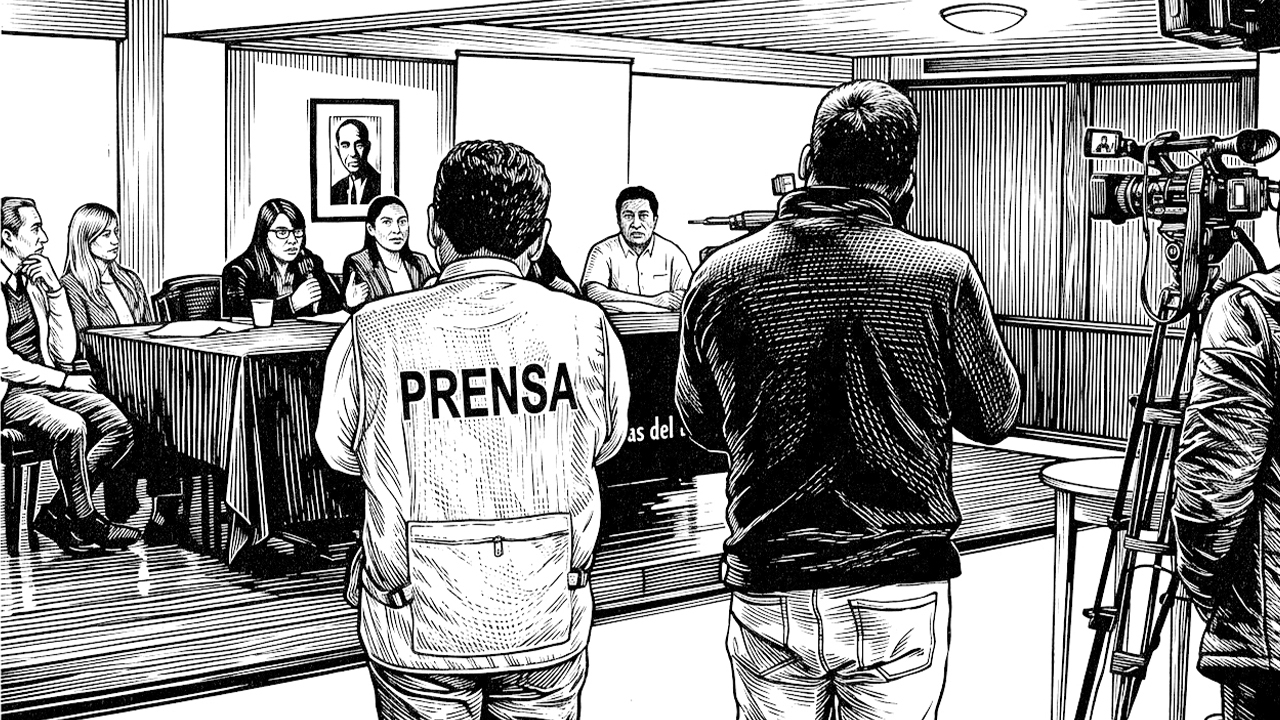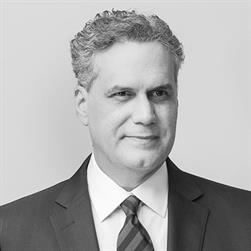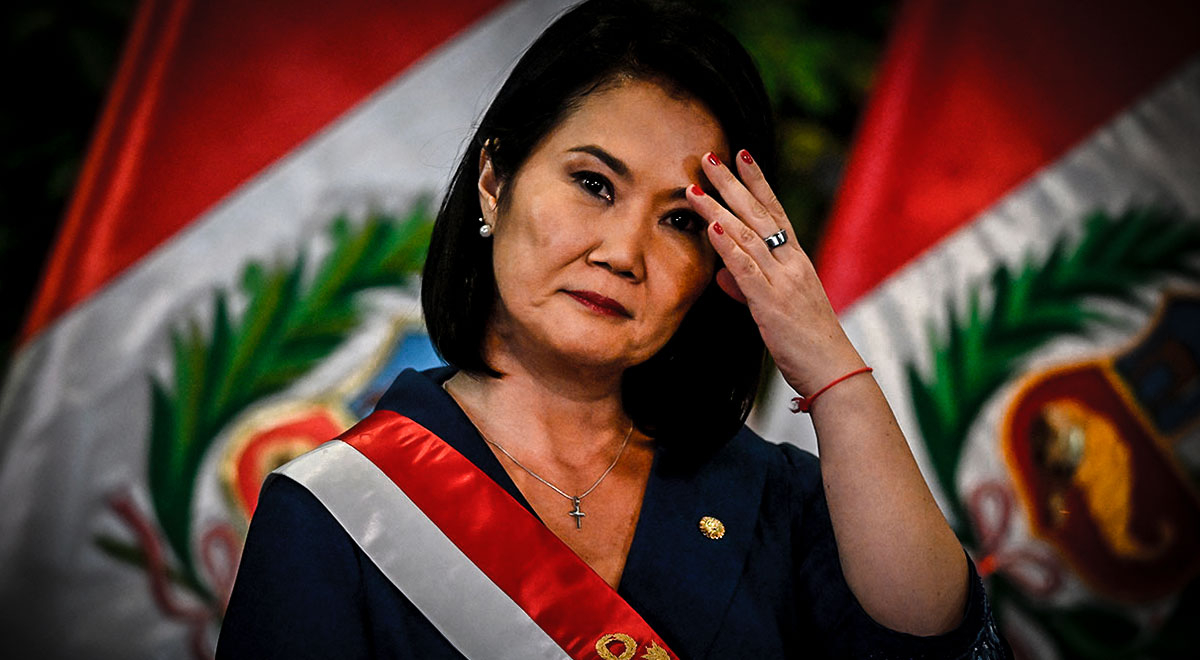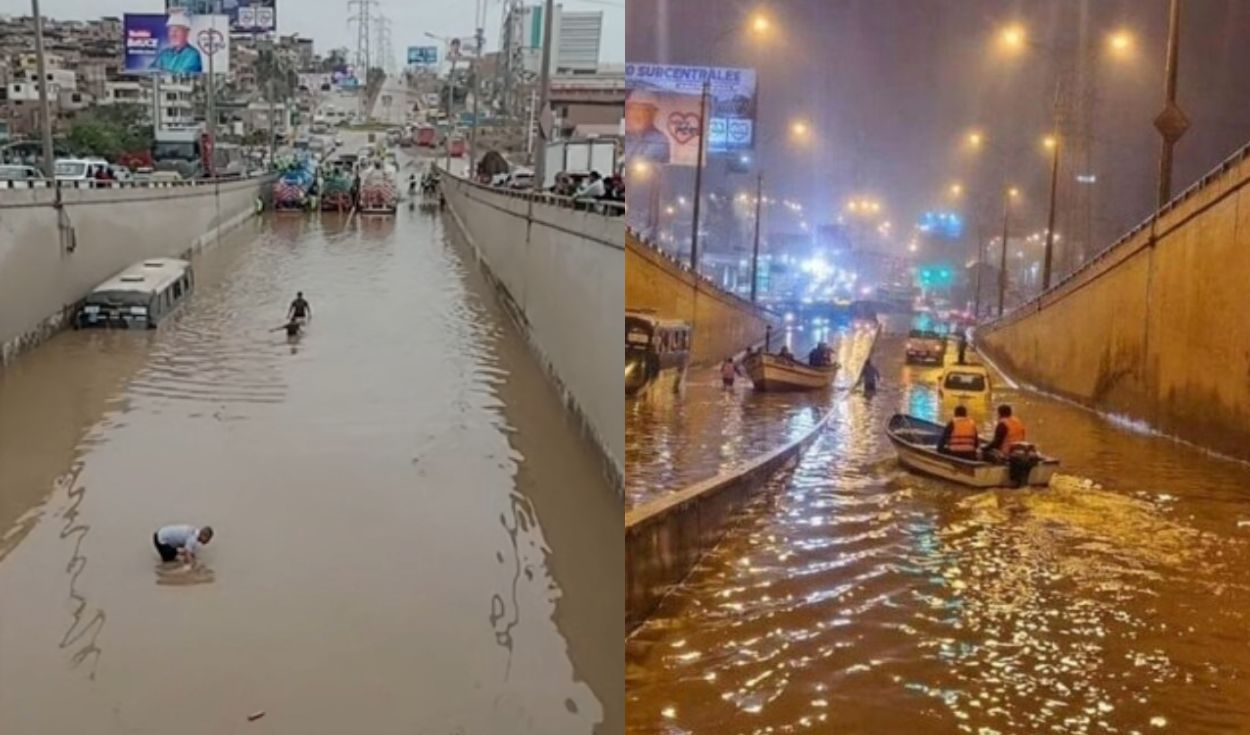
Peruvian political analyst Mirko Lauer warned that President Keiko Fujimori faces growing political vulnerability as El Niño flooding spreads across half a dozen Lima neighborhoods.
Writing in an opinion column published on August 19, 2026, Lauer noted that floodwaters threaten to erode Fujimori's 60 percent approval rating as heavy precipitation reaches areas unprepared for torrential rain.
The unusual weather has inundated the coastal desert district of Villa El Salvador, demonstrating that the weather phenomenon is no longer confined to northern coastal regions of Peru. Villa El Salvador, a densely populated district built largely on sand dunes along the southern edge of Lima, is one of several urban areas coping with unexpected standing water and mud.
El Niño is a recurring warming of Pacific Ocean surface waters that periodically brings torrential rain, coastal flooding, and mudslides to South America. Lauer argued that government officials must urgently add Peru's central coast to the national disaster risk map, noting that the region is already vulnerable to major seismic activity.
Political impact and economic risks
Lauer warned that widespread flooding and potential droughts across the country could cause Peru's gross domestic product to plummet. He compared the potential economic fallout to the severe crisis faced by former Peruvian President Fernando Belaunde in 1983, when widespread natural disasters paralyzed state administration.
Governments often cite force majeure to argue that natural disasters are beyond human control during severe crises. However, Lauer stressed that Fujimori's administration remains at a distinct political disadvantage against an agile opposition, even though an antagonistic political environment can hinder the delivery of emergency aid to suffering households.
The dual challenges of worsening public insecurity and severe weather leave the administration with little ground to boast about its performance. Lauer indicated that municipal elections scheduled for October will push local disaster damage into the center of public debate, making government blame a primary political focus.
Public attention on the crisis is expected to persist well into the end of the year. Lauer noted that the situation will take on heightened drama by November, coinciding with events alongside Pope Leo XIV.
Historical precedents and opposition tactics
The analyst recalled how former President Alberto Fujimori managed the 1998-1999 El Niño weather event, which was primarily concentrated on Peru's northern coast. Alberto Fujimori initially claimed the climate phenomenon could prove beneficial before making frequent public visits to affected areas, an episode that preceded his later political and personal turmoil.
Addressing rival political groups, Lauer argued that simply opposing the government fails to assist citizens in need and merely serves the interests of opposition leaders.
Lauer questioned the standing of left-wing political groups in the hard hit households and communities where rain has already caused damage. He asserted that political adversaries have failed to offer practical relief to families facing rising floodwaters.
Lauer is a veteran Peruvian political observer, journalist, and author based in Lima who holds a doctorate from the National University of San Marcos. His recent works include the 2024 poetry collection Chifa de Lambayeque and a 2025 reedition of Los asesinos de la Ultima Hora.