Heavy winter flooding in Lima has left 56 families homeless across Villa El Salvador, Villa María del Triunfo, Chorrillos, and San Juan de Miraflores after 50-year-old drainage systems collapsed on Sunday night.
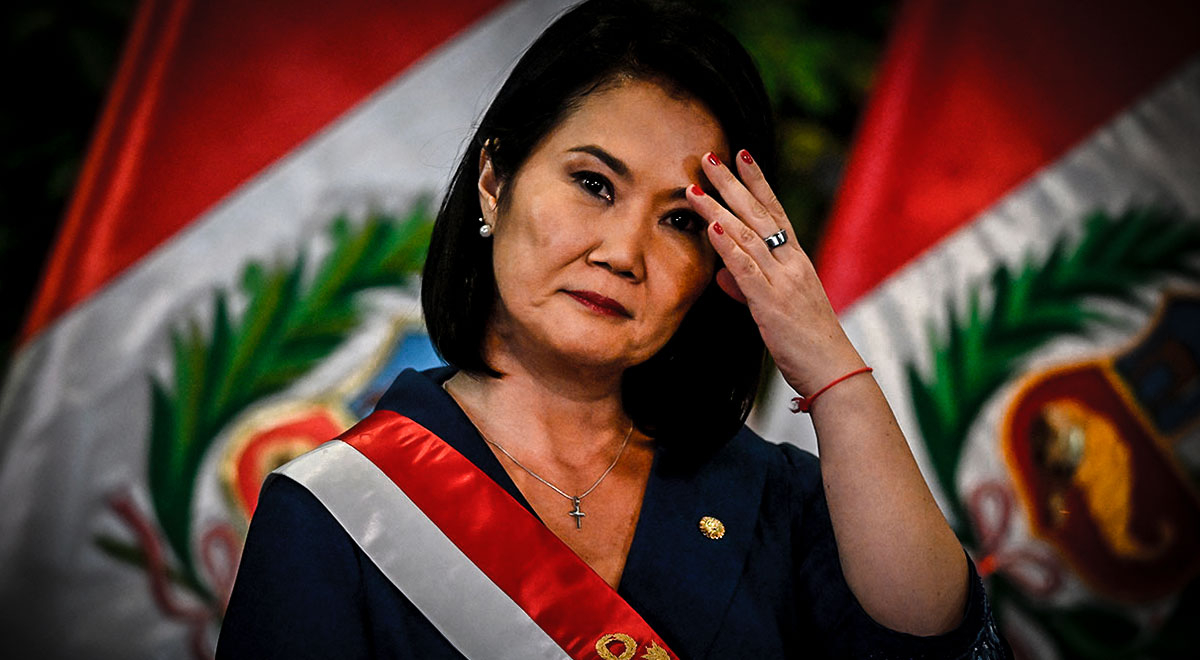
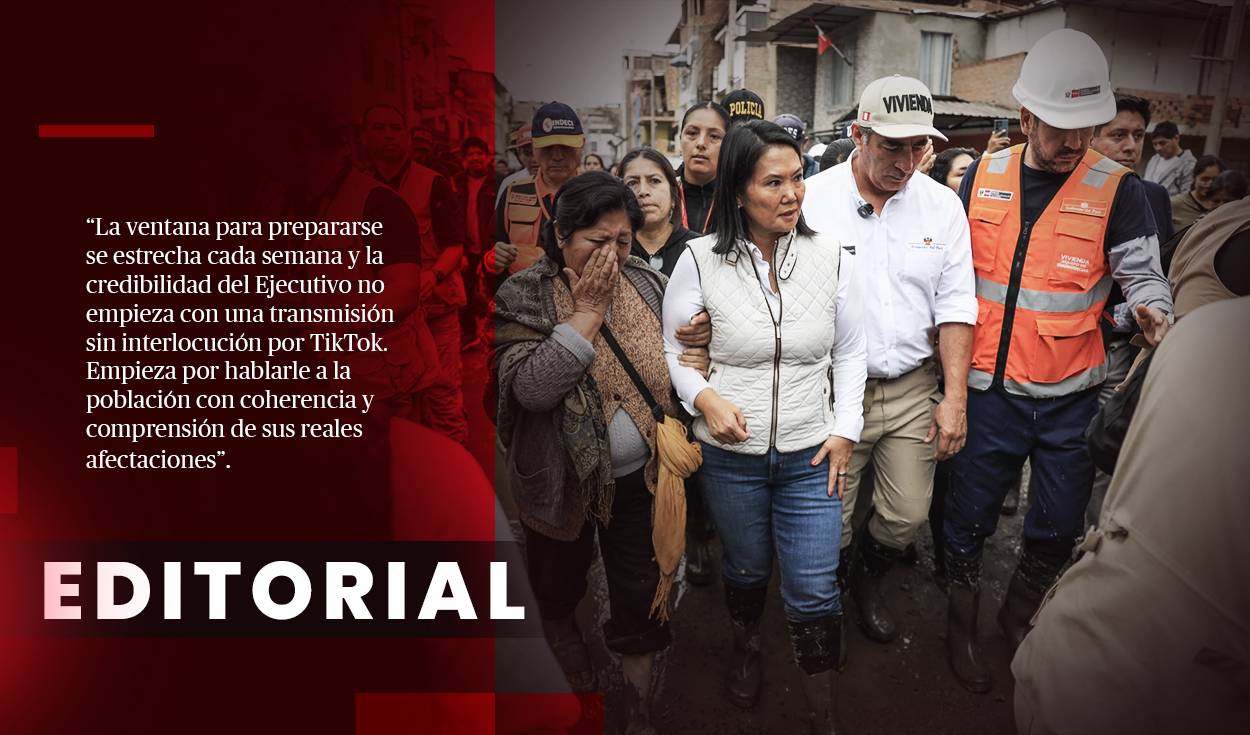
Peruvian President Keiko Fujimori streamed a live video on social media as the disaster unfolded before later visiting the flooded area, where she stated that the state lacked preparation and warned that the situation would be catastrophic. The public statement left citizens uncertain whether her remarks represented an official warning or an admission of internal limitations.
The inundation struck four southern districts in Peru's capital city following heavy winter rainfall that overwhelmed urban infrastructure left abandoned for decades.
Conflicting response from cabinet ministers
The government response generated widespread concern following contradictory statements issued by key cabinet officials regarding the severity of the flooding.
Elmer Cuba, the Minister of Economy and Finance, declared that there was no reason to exaggerate over a little knee-deep water. He compared the national situation to conditions in European countries, drawing criticism for equating residents in Villa El Salvador who lost their household belongings with cities supported by modern drainage systems.
Hours later, Housing Minister Mauricio Arnillas arrived at the site to inspect the damage directly. Arnillas declared a state of emergency in the district and announced emergency infrastructure projects, including construction works for a bypass.
The stark contrast between two members of the same cabinet presenting opposing interpretations of the emergency underscored a lack of coordination within the Executive branch.
Imminent El Niño weather threat
The Sunday floods follow months of warnings regarding a simultaneous double climate phenomenon facing the nation. Official forecasts currently place the probability of a very strong intensity weather event at 81 percent between October and December.
El Niño is a recurring ocean-atmospheric warming pattern in the Pacific Ocean that frequently brings extreme precipitation, flooding, and coastal erosion to South America.
Meteorological predictions indicate that the weather events expected between September and December will be significantly larger in magnitude than the recent winter storms. Furthermore, the incoming rainfall is expected to strike territories that possess far less response capacity than the national capital.
Demands for Executive action plan
The Executive branch faces urgent calls to demonstrate that it has learned from the recent disaster by presenting a comprehensive public mitigation program. Community leaders insist that the plan must contain specific identified interventions, a clear budget, and an enforceable execution schedule.
Residents across vulnerable areas, including Villa El Salvador, Villa María del Triunfo, and the Amazonian regions of Loreto and Ucayali, require an official document that they can consult, monitor, and demand to be carried out as the window for preparation narrows each week.
Analysts noted that restoring government credibility will require talking directly to the population with coherence and genuine understanding of their losses, rather than relying on social media broadcasts without public dialogue.