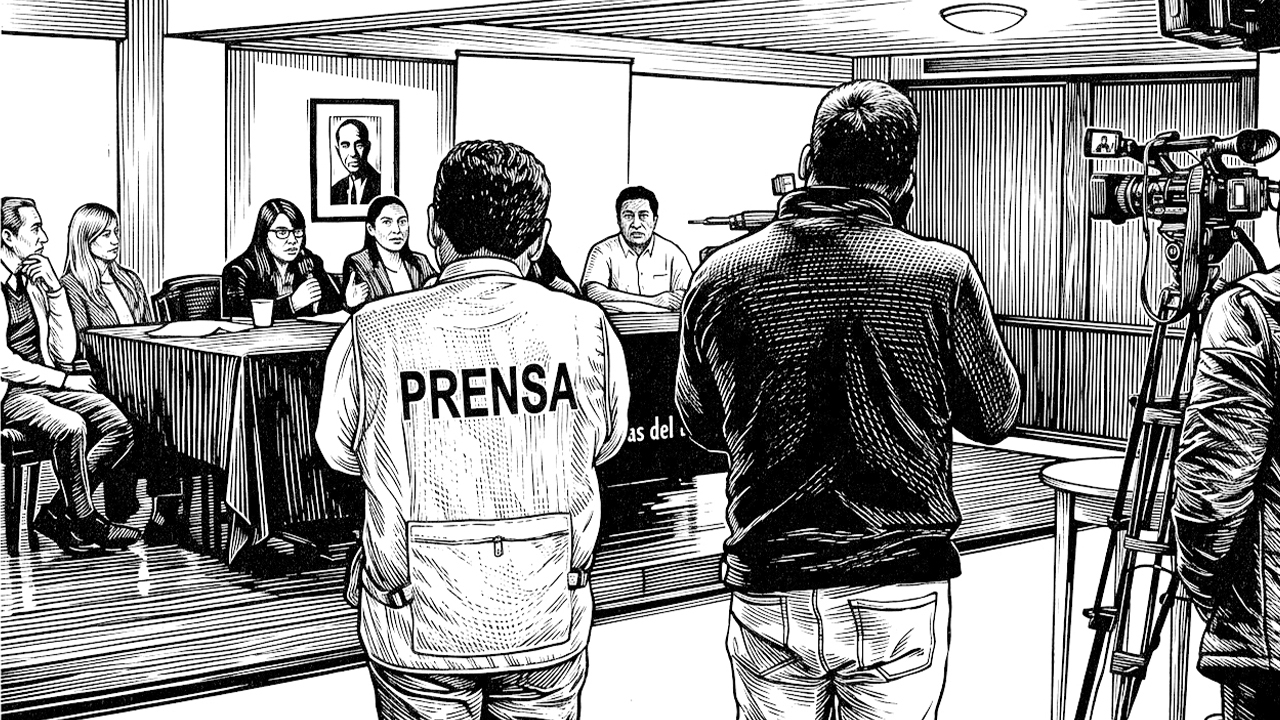
Spain's Senate has filed a legal action with the Supreme Court after ministers in Prime Minister Pedro Sánchez's government refused to appear before parliament to answer questions regarding the ongoing migration crisis in Ceuta.
The upper house took legal steps to define the legal responsibilities of government ministers after cabinet members declined to testify before the territorial representation chamber, despite Sánchez taking summer leave on August 1.
The parliamentary dispute comes amid worsening conditions on the ground in North Africa, where sanitation workers were forced to halt cleanup operations at Trampolín beach. Municipal crews had begun removing tons of accumulated waste following the eviction of 3,000 migrants who had been living on the sand for three weeks, but about 500 migrants returned to reoccupy the location.
Opposition demands migrant deportations
Popular Party leader Alberto Núñez Feijóo issued a firm stance on the situation during a visit to the region, calling for the expulsion of all illegal migrants, including unaccompanied minors, and insisting on the inviolability of Spain's borders. Feijóo added that his party would not accept blackmail from Morocco regarding border controls.
Addressing debate over the legal propriety of deporting underage migrants, Feijóo stated that all minors should be returned to their parents, who hold primary responsibility for their care and education. If parents cannot be located, Feijóo said the country of origin must take responsibility for caring for them in appropriate reception facilities, arguing that allowing illegal entry to confer rights of care creates a pull effect that rewards unlawful actions.
Ceuta is a Spanish autonomous city located on the northern coast of Africa, sharing a land boundary with Morocco that forms one of the European Union's two external land borders on the continent. The Popular Party, led by Feijóo, forms the primary conservative opposition in Spain's parliament, while Sánchez leads the ruling Spanish Socialist Workers' Party. The Senate serves as Spain's upper legislative chamber, representing regional interests and holding oversight powers over the executive branch.
Calls for investigation into external influence
Writing in World Stock Market, commentator Jorge Fernández Díaz stated that the ongoing influx is actively encouraged by non-governmental organizations such as billionaire George Soros's Open Society Foundation. Fernández Díaz claimed that the organization advocates for a world without borders to expand its own influence by weakening sovereign state borders, asserting that Open Society's involvement in the Ceuta events has been documented.
Fernández Díaz called for a comprehensive investigation into the roles of both Soros and Pegasus spyware in facilitating what he described as an unprecedented peacetime attack on Spain's territorial integrity. He argued that the inquiry must examine social media campaigns promoting the migration, the extent of cooperation by Moroccan authorities, and the response of the Spanish government.
The writer noted that Prime Minister Sánchez previously visited Ceuta on August 1, where he publicly expressed gratitude for Morocco's cooperation in helping to restore normality at the border. Fernández Díaz asserted that Sánchez must now provide formal explanations regarding government conduct and official ties to external organizations.