Spain faces renewed demands to declassify state records into the murder of poet Federico García Lorca in Granada as the country marks the 90th anniversary of his assassination.
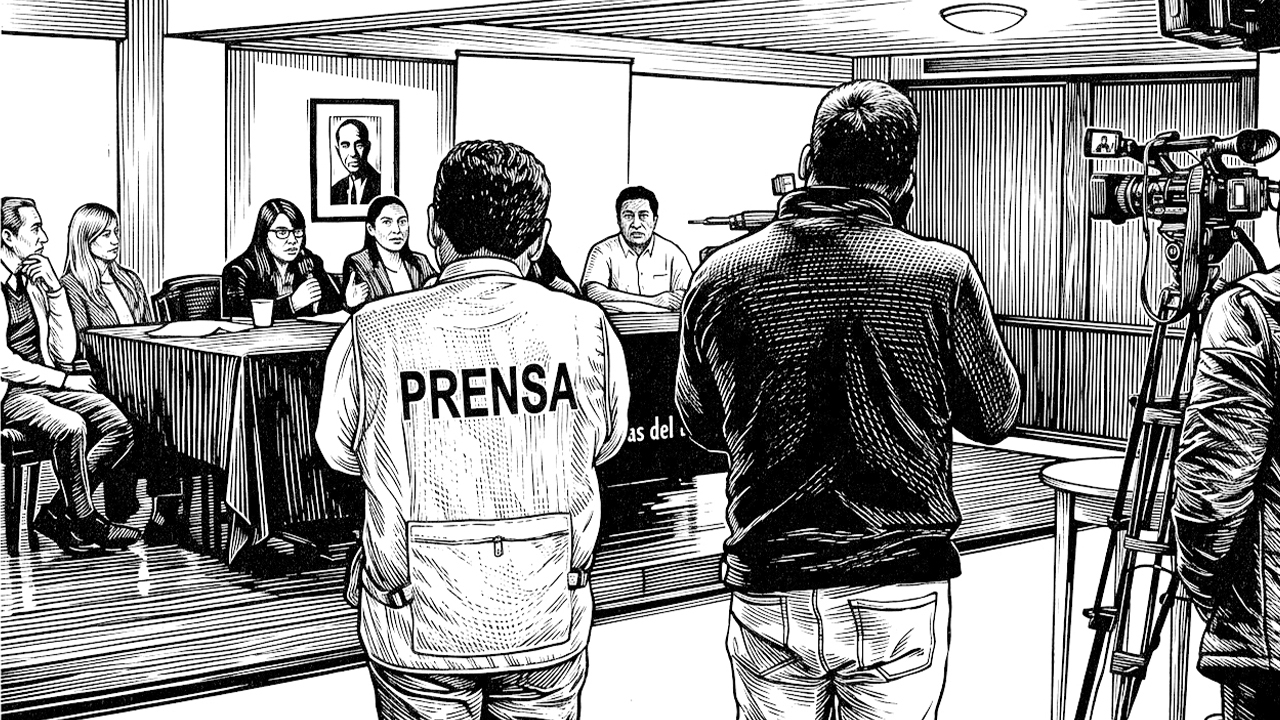
Columnist Víctor Fernández called on the Spanish government to release documents from three separate investigations ordered during the regime of General Francisco Franco, noting that official files remain secret in democratic Spain.
Fernández said he previously discussed the classified documents with two former Spanish Secretaries of State for Culture, Víctor Francos and Jordi Martí. Both officials expressed surprise that the files were still withheld from the public domain.
Role of Granada civil governor
The murder was carried out by a group of fascists in Granada, a city in the southern Spanish region of Andalusia. Fernández emphasized that the attack was sponsored by José Valdés Guzmán, who served as the civil governor of Granada at the time.
Fernández stated that the name of Valdés Guzmán must be repeated so the public does not forget the primary executioner of the crime. The gunmen shouted homophobic slurs at Lorca before shooting him dead, believing they were ridding the world of a major literary figure.
Rejecting recent claims that Lorca ultimately won because his memory survives, Fernández described his death as a devastating loss. He recalled a statement by Italian writer Alberto Moravia regarding filmmaker Pier Paolo Pasolini, noting that the world loses something irreplaceable when a poet dies because only three or four are born in a century.
Criticism of historical revisionism
Fernández also targeted historical revisionism surrounding the 1936 killing. He recalled a former columnist in the same publication who claimed Lorca died because of a family dispute over land between cousins.
The columnist had expressed satisfaction in stripping political motives from the event, omitting Lorca's social commitment and his homosexuality. Fernández called such revisionism the opium of the people, arguing that it attempts to excuse executioners and reframe a political execution as an accident.
Comparing the hostility toward arts and intellect to Nazi propaganda minister Joseph Goebbels, who spoke of drawing a gun when hearing the word culture, Fernández warned that such attitudes persist among modern followers.
Sealed Franco era records
Federico García Lorca remains one of the most celebrated poets and dramatists of 20th-century Spanish literature. His execution in the early weeks of the Spanish Civil War became an enduring symbol of nationalist violence during the rise of Francoism.
Fernández concluded that the current Spanish government must step in and open the archives of the three Franco-era investigations. He urged authorities to show respect for Lorca by granting full public access to the historic records.