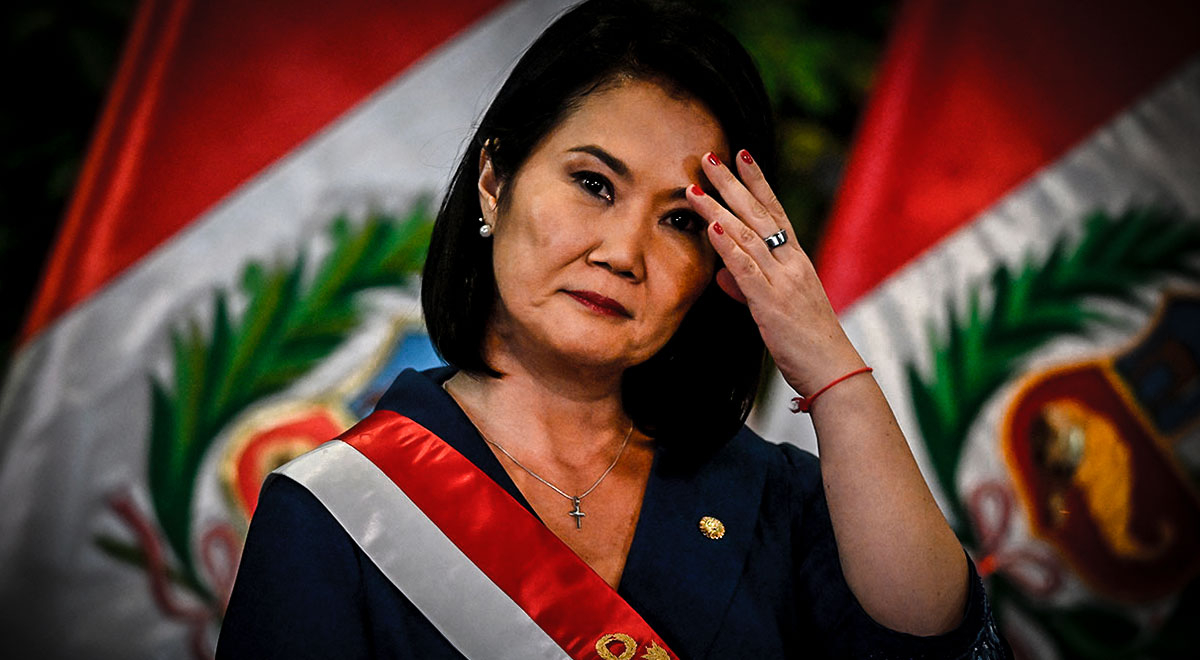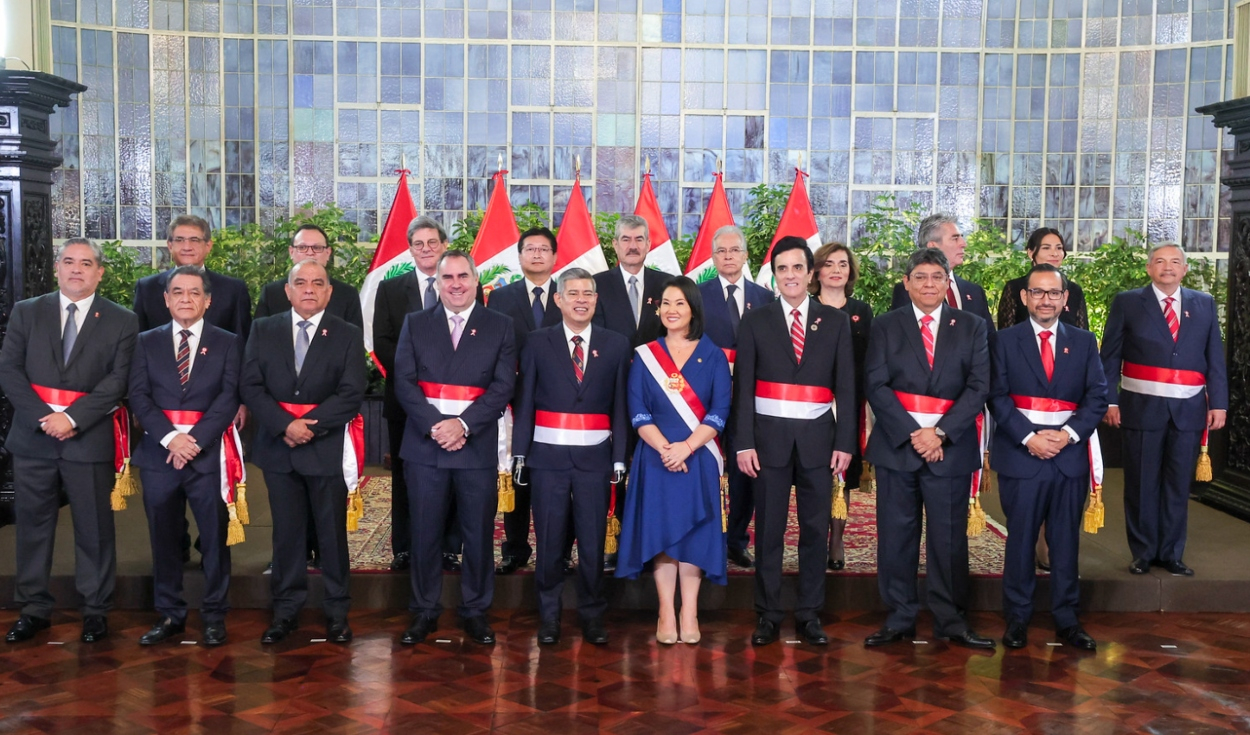
Peruvian President Keiko Fujimori has formed a cabinet made up almost entirely of political figures, according to an analysis by Alvaro Gálvez Pasco, principal researcher at the Institute of Peruvian Studies, published as an opinion column. He said the composition surprised many who expected a return of technocrats to government after the final stretch of her campaign, which repeatedly invoked the legacy of her father Alberto Fujimori's administration.
Gálvez Pasco said Luis Carranza, a former economy minister who featured prominently in campaign debates, had been widely seen as the favorite to lead the Ministry of Economy and Finance or even the Council of Ministers. Carranza is absent from the new cabinet, and several ministers lack experience in the sectors they now oversee, he wrote.
Old networks reappear
Recent appointments to senior state positions, published in the official gazette El Peruano, show that networks from the previous five-year government are being reorganized rather than dismantled, according to Gálvez Pasco. He pointed to Ernesto Álvarez, who served as president of the Council of Ministers during José Jerí's brief government and now takes over the Ministry of Justice, and José Arista, a former economy minister under Dina Boluarte who is now a Fuerza Popular lawmaker in Congress.
He also cited the network tied to the Universidad de San Martín de Porres, historically linked to the APRA party, as consolidating its presence through the appointment of José Antonio Chang, the university's rector and a former education minister under Alan García, who returns to that same ministry. A third network, associated with César Acuña, previously held significant influence in the Health sector and alternated positions with Fuerza Popular in the Ministry of Economy and Finance and in the investment promotion agency ProInversión, Gálvez Pasco wrote, adding that it appears set to retain its footholds.
Political veterans without a base
Gálvez Pasco described the cabinet, led by Prime Minister Galarreta, as political but made up of a particular type of politician: figures who bring know-how rather than votes. He named former presidential candidates Carlos Espá and Rafael Belaúnde, who gained visibility during the campaign but won marginal results at the ballot box, and Alberto Beingolea, former president of the Popular Christian Party, a once-major party now largely irrelevant electorally.
He noted that Fujimori has brought in figures from outside Fuerza Popular without meaningfully expanding her political base, since they share her ideological space. Their value, he wrote, lies in their institutional knowledge, private-sector contacts and media experience.
Former critics turned defenders
Gálvez Pasco pointed to the inclusion of Juan Sheput and Alberto Beingolea, both previously critical of Fujimori, as figures who have become some of her most visible defenders given their limited independent political standing. He said one of the clearest contrasts with cabinets of the past five years is the ministers' heavy presence in the media during these early days, benefiting from what he called a still-forgiving honeymoon period.
He contrasted the approach with Alberto Fujimori's 1990 rise to power, when he took office largely without a party and brought in independent technocrats. Keiko Fujimori, he wrote, arrives after 15 years building a party and a core of trusted operators, and her first cabinet signals a bid to manage the existing establishment rather than break with it.