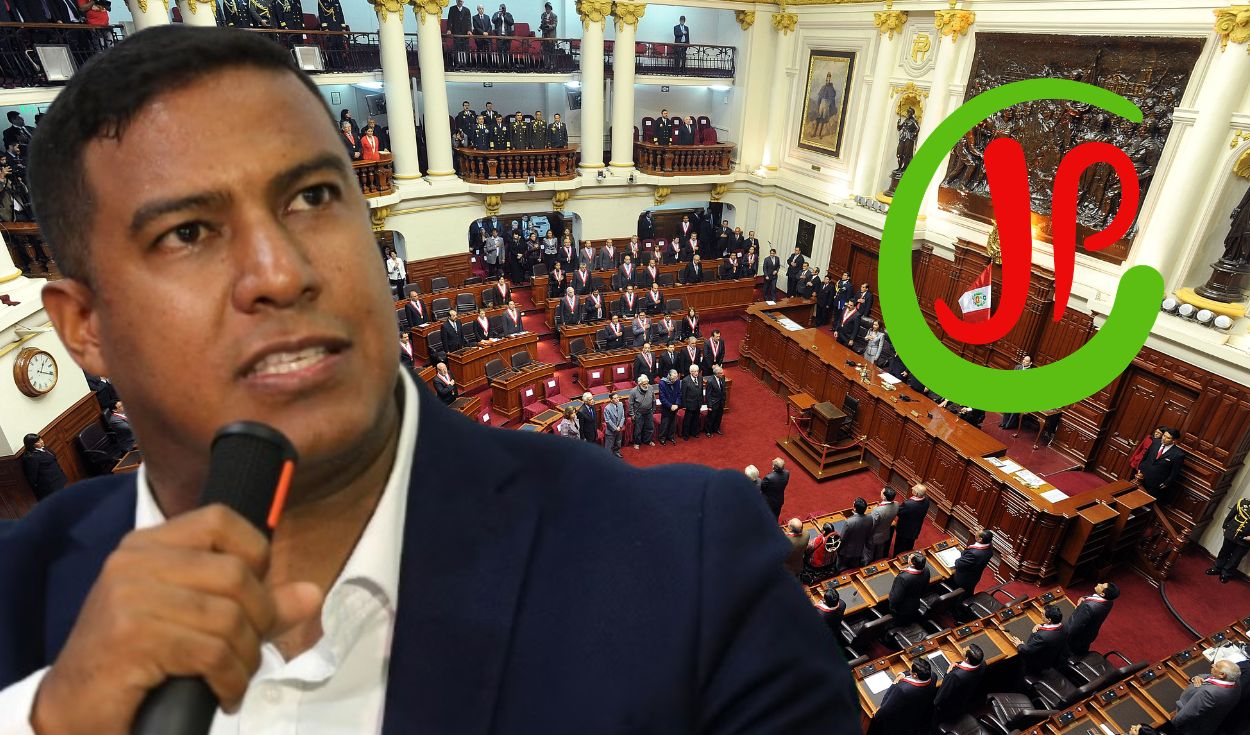
Juntos por el Perú is seeking to chair the Justice and Education committees in Peru's Chamber of Deputies, according to party spokesman Ernesto Zunini. He told La República that the party, led by Roberto Sánchez, is also weighing bids for the Energy and Mines and Health committees.
Zunini said the party would like to chair the Justice, Education, Energy and Mines, and Health committees, and that it has several members who could lead them. He pointed to the party's teachers and education professionals, as well as members with experience in psychological health, such as Deputy Svieta Fernández, though he said nothing has been finalized and the choices depend on internal consensus.
Zunini said Juntos por el Perú would aim to chair four committees in the Chamber of Deputies in total. Sources close to the negotiations told the outlet that talks between the different parliamentary blocs are still being finalized and could conclude within hours.
Other blocs weigh in
Jeeny Samanéz, a deputy from the Partido Cívico Obras, said she is also interested in joining and eventually leading committees related to her background in sports. She said the matter is still being debated within her party.
Samanéz said she has asked Obras party president Ricardo Belmont and secretary general Daniel Barragán to place her on the Education, Culture and Sport committee and the Infrastructure, Housing and Transport committee, areas she said she has experience in.
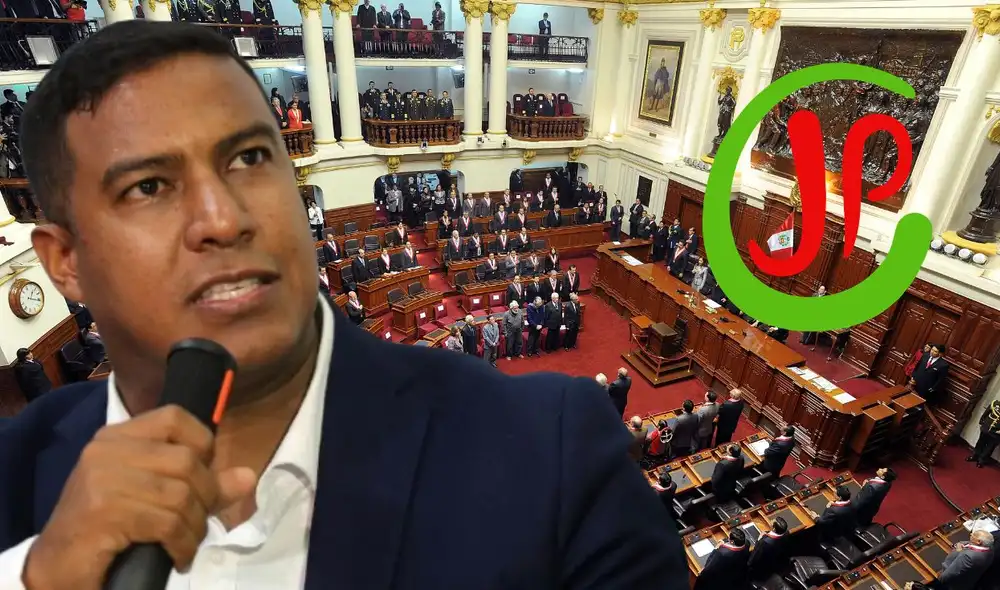
Diego Bazán, a deputy from the ruling Renovación Popular party, was more guarded and declined to say which committees his bloc is targeting. He said the bloc that won the Chamber of Deputies' Board of Directors has first choice, and that he trusts it will make a fair and equitable distribution. He added that Renovación Popular has its eye on a few committees but would not say which ones yet.
Both Samanéz and Bazán said that, based on the number of seats their respective blocs hold, each expects to chair two committees in the Chamber of Deputies.
How the committees break down
Fuerza Popular and Juntos por el Perú, the two parties with the largest representation in Congress, would lead the greatest number of committees if seats are distributed proportionally.
Under the Chamber of Deputies' regulations, the lower house will have 16 standing committees. Seven will have 26 members each: Constitution, Rules and Foreign Relations; State Management Modernization and Oversight; Economy, Banking, Finance and Financial Intelligence; Education, Culture and Sport; Justice and Human Rights; Social Inclusion, Family, Women and Andean, Amazonian and Afro-Peruvian Peoples; and Infrastructure, Housing and Transport.
The remaining nine committees will have 20 members each: National Defense and Internal Order; Agrarian Development; Consumer Protection and Public Services Regulation; Energy and Mines; Production, Foreign Trade and Tourism; Environment and Sustainability; Health; Labor and Social Security; and Science, Technological Innovation and Digital Society.
Non-standing committees, such as the Parliamentary Ethics Committee and the Legislative Ordering and Oversight Committee, will each have six members, one from each parliamentary group.