The Dominican Republic urgently needs to enact clear regulations governing short-term vacation rentals after years of unmonitored expansion, according to leading hospitality figures in Santo Domingo.
Enrique E. De Marchena Kaluche, a lawyer specializing in foreign investment and former president of the National Hotel and Tourism Association of the Dominican Republic (ASONAHORES), warned that unsupervised rentals pose a latent threat to the national tourism industry after six decades of joint public and private development.
Writing in Santo Domingo newspaper Diario Libre on August 10, 2026, De Marchena emphasized that the rapid growth of platforms like Airbnb creates an uneven playing field for traditional hotels. National hotel operators remain subject to continuous regulatory oversight, corporate taxes, employee payroll levies, and mandatory social security contributions.

The scale of the short-term rental sector was highlighted in an investigation published by Diario Libre in May 2026. The study revealed that short-term rental properties reached approximately 56,973 units by the end of 2025, offering 136,338 rooms at the close of 2024.
By comparison, traditional hotel units across the country totaled 94,309 at the end of 2025. The investigation noted that this expansion occurred entirely in a context lacking regulation, official registration, taxation, and security protocols.
The Dominican Republic, located in the Greater Antilles, has built one of the largest hospitality sectors in the Caribbean, relying heavily on coastal resort towns like Punta Cana and Puerto Plata, as well as historic heritage sites in Santo Domingo. However, the rapid increase in residential lodging units has expanded outside official data systems, leaving municipal authorities and tax offices without direct oversight.
Airbnb Stance on Regulatory Frameworks
The debate over oversight intensified after reporting by journalist Irmgard De la Cruz in Diario Libre on July 22, 2026, which revealed that Airbnb supported the regulation of short-term vacation rentals in the Dominican Republic.
Airbnb stated that creating an official host registry would enhance transparency and safety across the market. The rental platform advocated for an inclusive and proportional framework free of excessive bureaucratic burdens, adding that the rules should be formally enacted by the National Congress.
De Marchena described Airbnb's stance as significant, noting that the company's call for transparency and safety amounted to an admission that existing measures are at least insufficient. He added that passing federal legislation through the National Congress would offer greater legal standing and legal certainty than an administrative resolution from the Ministry of Tourism (MITUR).
Hospitality Sector Debate over Hotel Rules
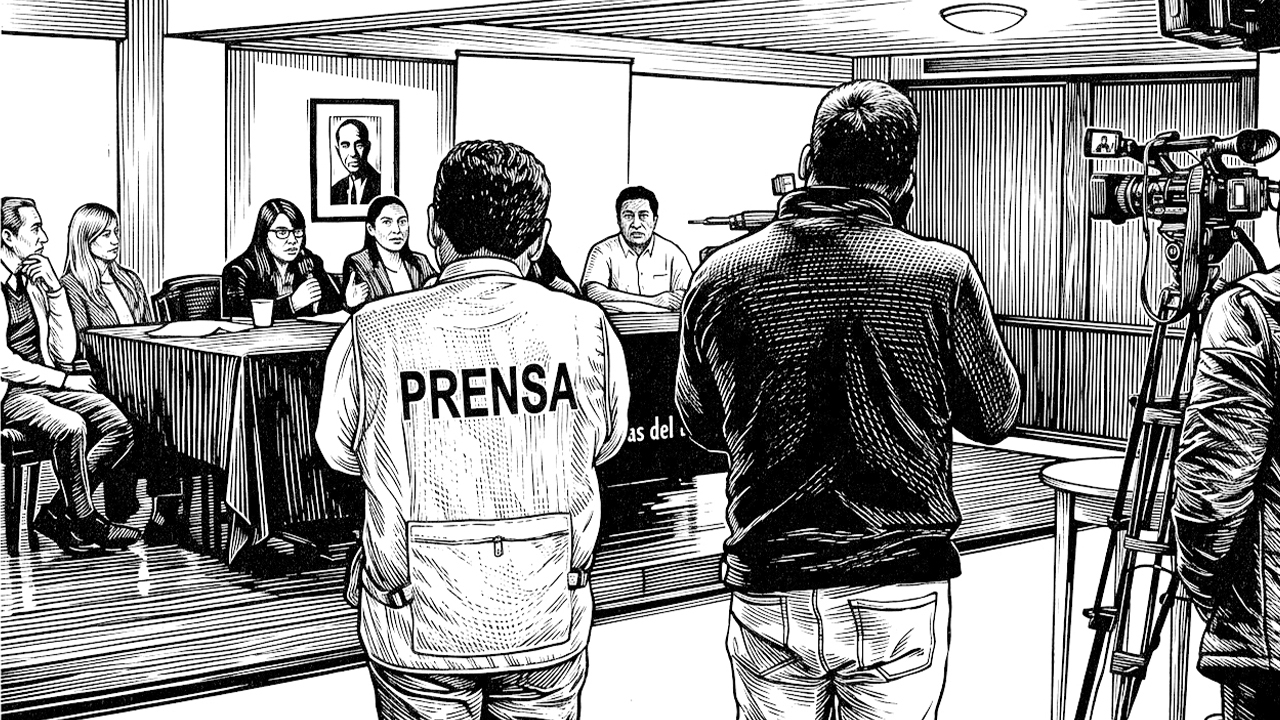
The short-term rental sector has organized its defense through the Dominican Short-Term Rental Association (Adoreco). In statements published by the newspaper HOY on August 5, 2026, Adoreco argued against applying traditional hotel regulations to vacation rentals.
Adoreco warned that regulating short-term rentals under traditional hotel rules should be re-evaluated, as it could impose administrative burdens and operating procedures unsuited to the sector. The association stressed that the market includes a wide diversity of actors, ranging from small hosts renting individual spaces to professional property management operators.
De Marchena rejected the distinction between small hosts and commercial operators, describing small host as a euphemism and arguing that all lodging providers perform the exact same core service. Citing the Latin legal maxim dura lex, sed lex, meaning the law is harsh but it is the law, he compared the situation to independent boutique hotels like Hotel Billini operating under the same fiscal regime as international chain properties such as Kimpton Las Mercedes in Santo Domingo.
Despite his opposition to operational exemptions, De Marchena noted that Adoreco raised valid arguments regarding regulatory gaps and the necessity of establishing clear legal certainty for property owners.
Impact on Dominican Tourism Negotiations
While the Dominican Republic has made major strides in modernizing its hotel infrastructure and expanding international air connectivity, De Marchena warned that unmonitored short-term rentals represent a growing annual blind spot.
He warned that a tourism destination unable to measure its total lodging supply operates at a structural disadvantage during negotiations with international airlines and foreign investors. Concluding his commentary, De Marchena urged Dominican officials and industry leaders to take the bull by the horns and establish comprehensive legislation.