The execution of Dominican independence heroine María Trinidad Sánchez on February 27, 1845, followed a sentence by a military tribunal rather than a direct order from General Pedro Santana.
Sánchez and three companions were executed by firing squad on the first anniversary of the independence and proclamation of the Dominican Republic. They had been condemned by a competent military court formed under article 210 of the Constitution of San Cristóbal, the newly established nation's first constitution.
The Dominican Republic had declared its independence the previous year, in 1844. Following the break from foreign rule, profound political divisions emerged between the conservative military faction led by Santana and the liberal Trinitario movement. La Trinitaria was a secret society that had first organized the independence effort. Santana was a wealthy military commander who led the Dominican forces during the war before securing political control.
Seven people faced the judicial process, led by the 25 year old Sánchez. She was the aunt of Francisco del Rosario Sánchez, who is celebrated as a hero of El Conde and a martyr of San Juan. The Puerta del Conde in Santo Domingo was the site where independence was declared. According to historian José Gabriel García, María Trinidad Sánchez had prepared many cartridges for that decisive night of February 27 the previous year.
Political divisions after independence
The trial followed a decree issued on January 18, 1845, which created the Military Commission. The political climate in the capital was tense after a resolution on August 22, 1844, had accused the independence leader Juan Pablo Duarte and several of his companions of being traitors to the homeland. The resolution expelled them from the country in perpetuity.
Despite the expulsions, a nucleus of the Trinitario party remained active in the capital of Santo Domingo. This group advocated for a general amnesty in favor of the exiled patriots, who had been instrumental in the founding of the republic. Santana, who served as the first constitutional president of the republic, and his powerful social group of conservative landowners were opposed to the amnesty project.
Rumors emerged that the group led by María Trinidad Sánchez was conspiring to depose the Junta Central Gubernativa, the provisional governing body that managed the country. The conspirators allegedly planned to replace the main ministers of the junta and proclaim Santana as absolute president, a move that would consolidate his power.
The ultimate goal of the plot was to facilitate the return of the exiled revolutionaries, specifically naming Sánchez, Matías Ramón Mella, and Juan Jimenes among others. The name of Duarte was notably never mentioned in connection with the conspiracy.
Sedition trial and sentencing
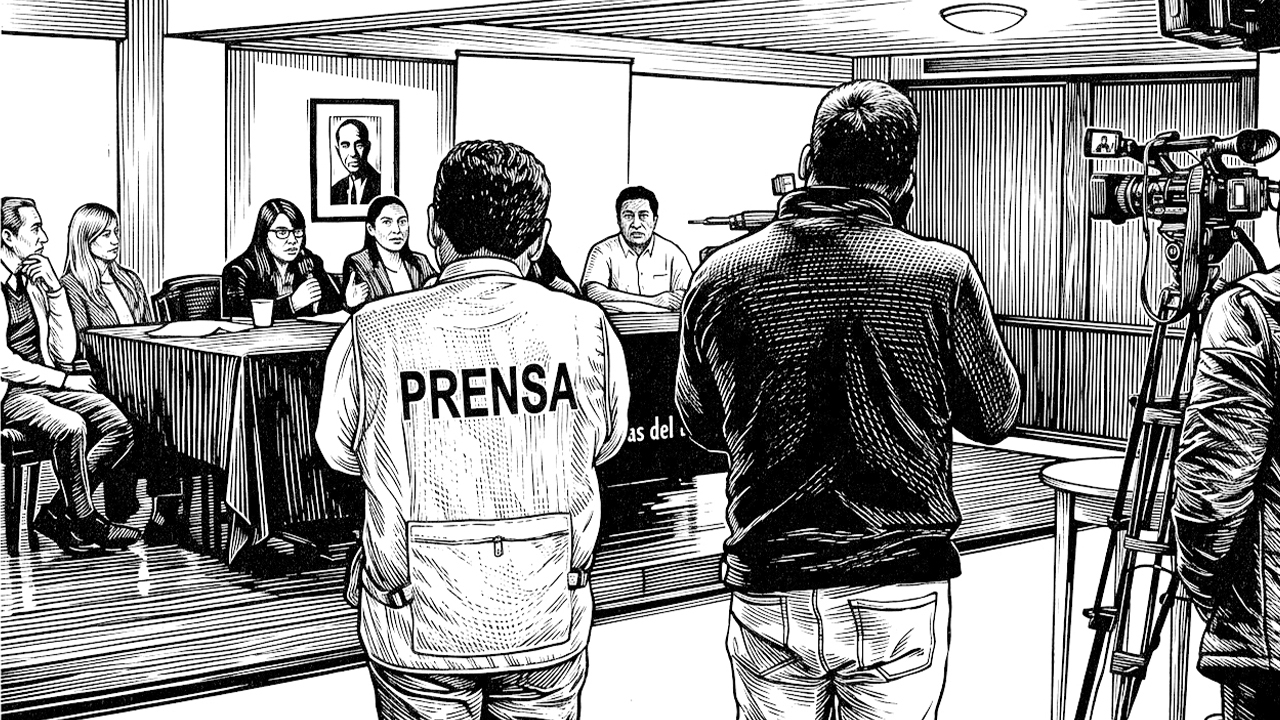
Once the conspiracy was uncovered, its members were arrested and subjected to a political trial in accordance with the military penal code. They were ultimately accused of carrying out a political attack with the aim of destabilizing the legitimately constituted government.
The Military Commission that oversaw the trial consisted of Juan Esteban Aybar, Toribio Mañón, Marcos Rojas, Juan Salazar, Félix Manchego, Juan Rodríguez, Prudencio Camellón, and the secretary José María Pérez.
Four of the people implicated in the plot were condemned to death. Alongside María Trinidad Sánchez, the tribunal sentenced José del Carmen Figueroa, a 27 year old native of Venezuela. Also sentenced to death were Andrés Sánchez, the 29 year old half brother of Francisco del Rosario Sánchez, and the 26 year old Nicolás de Barias.
Two other defendants, Federico Martínez and Blas Berroa, received prison sentences of four years. The final defendant, Eugenio Contreras, was sentenced to expatriation.
Execution on independence anniversary
The tribunal dictated its sentence on February 25, 1845. The commission ordered that the execution by firing squad should take place on February 27, the exact day the young nation would commemorate its first anniversary of independence. Under the Constitution of San Cristóbal, the official holidays for the February 27 anniversary were scheduled to be held on March 2, rather than on the date itself.
In the collective memory of the Dominican people, the idea has taken root that the execution of María Trinidad Sánchez and her companions was an exclusive order given by Santana. The historical record indicates that they were subjected to trial after a sedition plot to destabilize the government was proven to be underway.
Following the sentence, prominent individuals appealed to the president for the unfortunate inmates. The Trinitario Juan Nepomuceno Ravelo and the poet Félix María del Monte submitted a written request to Santana asking for clemency. The two men made the request even while stating that they judged the death sentence to be very just for the crime of conspiracy against the security of the state.
The historical account of the executions and the political fallout during the early years of the Dominican Republic is set to continue in further installments.