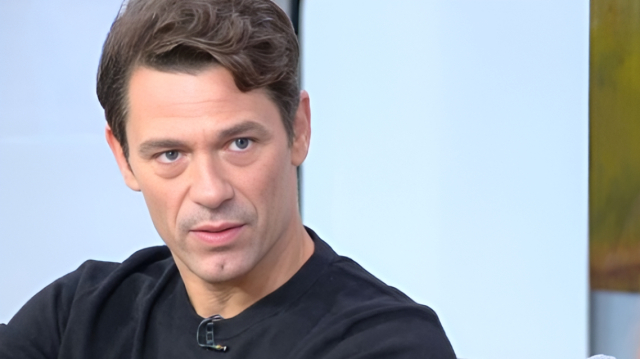
Spanish actress Veronica Lujan has died at the age of 84, the Spanish Film Academy and the country's Actors and Actresses Union announced on Wednesday.
The two industry organizations shared the news on social media platform X, wishing her to rest in peace and conveying their affection to the family, friends, and colleagues of the performer.
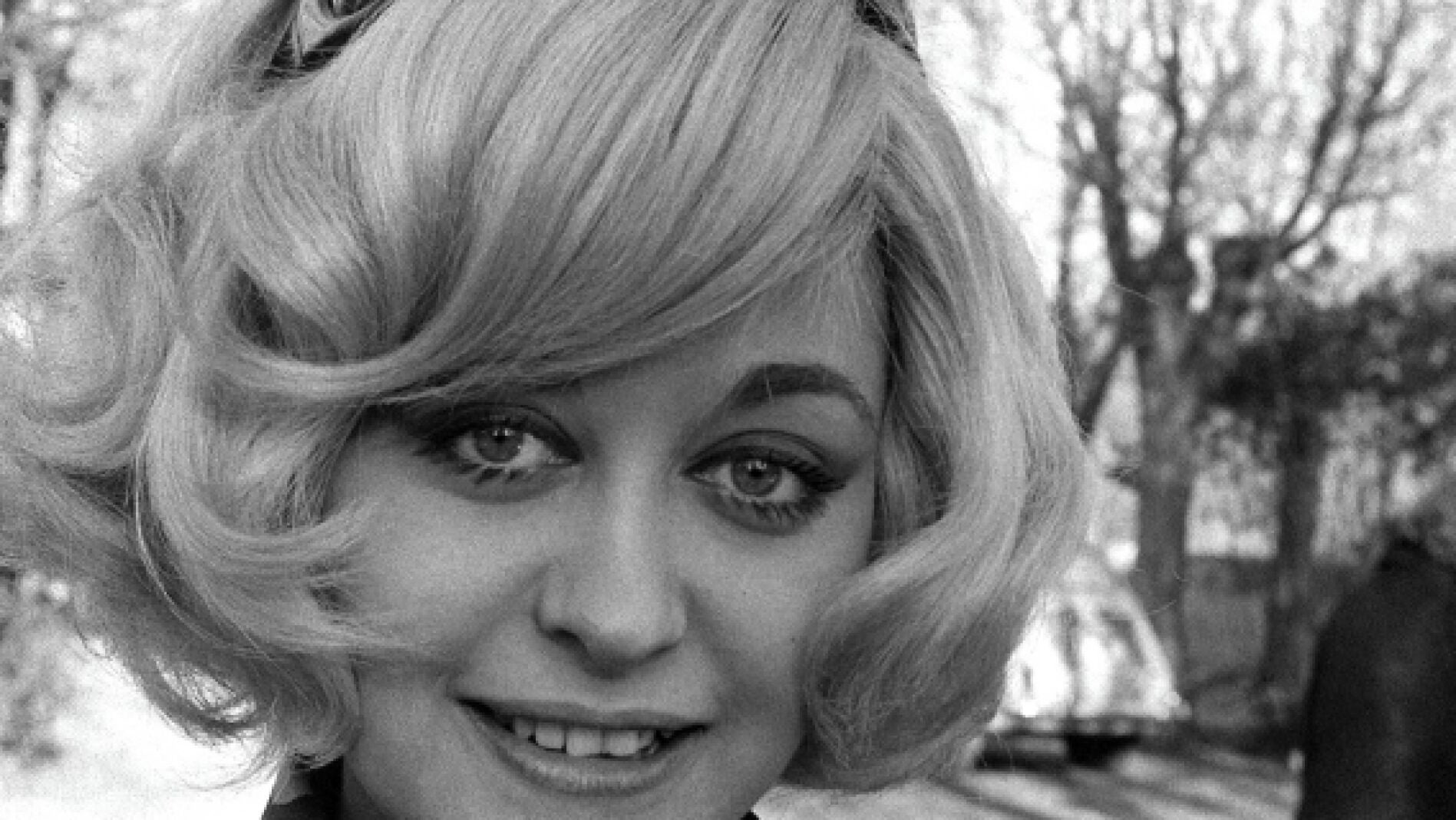
Lujan was known for her appearances in prominent Spanish feature films during the 1960s and 1970s, including the 1969 musical comedy Carola de dia, Carola de noche and the 1970 box-office success No desearas al vecino del quinto. Her film credits also include roles in Algo amargo en la boca and Frontera al sur.
Career in film and television
Beyond her feature film work, Lujan established a presence on Spanish television. She appeared in major productions including Los gozos y las sombras, the Television Espanola adaptation of Gonzalo Torrente Ballester's novel trilogy, and the long-running television theatre anthology Estudio 1.
Born in Barcelona in 1942, Lujan moved to Madrid with her family as a child. In the Spanish capital, she pursued an acting career across cinema, television, and print publications.
During the 1970s, Lujan became recognized as a prominent figure of the destape era in Spanish cinema, a movement characterized by newfound freedom of expression following years of strict state censorship under the Franco dictatorship. She featured on the cover of the weekly magazine Interviu and became a recognizable face of Spanish Transition cinema through titles such as Ligue Story, El ultimo tango en Madrid, and El paranoico.
Spanish cinema in transition
The era of destape emerged alongside Spain's transition to democracy in the late 1970s. As cinematic censorship was dismantled, filmmakers explored previously forbidden social and political themes, transforming the Spanish film industry and creating new commercial genres.
Lujan's filmography touched several key milestones of Spanish commercial cinema. Her role in No desearas al vecino del quinto placed her in one of the highest-grossing Spanish films of the 20th century, directed by Ramon Fernandez and starring Alfredo Landa. Her work in Algo amargo en la boca connected her with director Eloy de la Iglesia, a key filmmaker of Spain's democratic transition.
Industry tributes
Her passing was marked jointly by Spain's leading professional performing arts bodies. The Academia de Cine, founded in 1986, is Spain's official film academy responsible for promoting national cinema and hosting the annual Goya Awards. The Union de Actores y Actrices represents professional actors across theatre, film, and television in Spain.