Canada, Norway and Ukraine are hosting foreign ministers in Toronto on September 28 and 29 for a major international peace conference.
The summit, titled Paths to Peace: Return of Ukrainian Children, Detained Civilians and Prisoners of War, focuses on securing the release, rehabilitation and reintegration of Ukrainians held or deported by Russian forces.
Organised jointly by the diplomatic representations of Canada, Norway and Ukraine, the event builds upon progress made during a previous ministerial conference held in Canada in 2024. The gathering brings together international partners, government officials, humanitarian organisations and civil society groups to coordinate global action.
Toronto, the provincial capital of Ontario and the largest city in Canada, serves as the host location for the two-day diplomatic gathering. Canada and Norway, both founding members of the North Atlantic Treaty Organisation, have consistently provided diplomatic, financial and humanitarian assistance to Ukraine following the escalation of military conflict in Eastern Europe.
National Minute of Silence
The joint diplomatic statement highlighted the daily reality across Ukraine, where the entire nation pauses every morning at 9:00 a.m. for a minute of silence. Air raid loudspeakers that typically warn citizens of incoming Russian missile attacks instead broadcast the steady ticking of a clock across towns and cities.
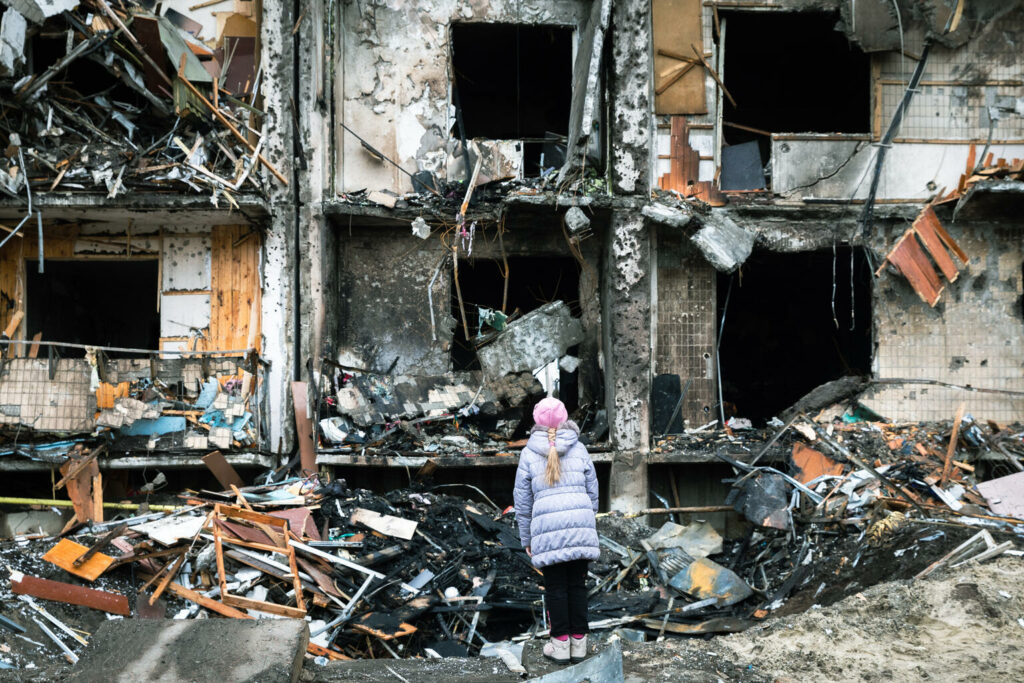
During this national act of remembrance, city streets normally full of life fall silent, traffic lights turn red and vehicles come to a complete halt. Ukrainians in homes, schools, workplaces, markets and on roadways pause to honour soldiers who died defending the country's sovereignty and freedom, as well as thousands of civilians killed since the invasion began.
Diplomats noted that the daily silence reflects the agonizing absence felt by thousands of families awaiting news of missing relatives. They stated that behind every case is a parent waiting for a child, a partner awaiting a phone call or a family hoping for a loved one to return home.
Acts of national remembrance are deeply ingrained in wartime societies, serving both to honor fallen citizens and maintain social cohesion during prolonged conflicts. International law, including the Geneva Conventions established in 1949 and their Additional Protocols, strictly regulates the protection of civilians, wounded combatants and prisoners of war during armed conflicts.
Deported Children and Detainees
The conference specifically targets the plight of thousands of Ukrainian children who have been forcibly transferred and illegally deported to Russia throughout the conflict. Organisers emphasized that these children have been separated from their families and communities while being stripped of fundamental elements of their identity, including their language, culture and names.
The statement also detailed the unlawful detention of Ukrainian civilians in territories temporarily occupied by Russian forces. Many civilians have faced harsh reprisals simply for teaching the Ukrainian language, practicing their culture, expressing opposition to the occupation or reporting the truth of what they witnessed.
Numerous detained civilians have been transferred to detention centres inside Russia, where they remain held without due process, adequate medical care, family contact or access to independent inspectors. Furthermore, returning Ukrainian prisoners of war have reported severe ill-treatment, while independent international bodies have documented widespread torture and sexual violence in Russian custody.
The forced transfer of civilian populations and the mistreatment of captives are classified as grave breaches of international humanitarian law under international treaties. Independent international bodies, including United Nations mandate holders, the International Committee of the Red Cross and human rights monitors, systematically investigate claims of torture, forced assimilation and unlawful deportation during armed conflicts.
Paths to Peace and Recovery
The three embassies declared that Russian actions represent systematic and widely documented violations of international law executed on a massive scale to break Ukrainian resolve. They stressed that no single nation or agency can solve the crisis alone, calling for sustained cooperation across international boundaries.
The organizers emphasized that returning deported children, detained civilians and captured service members is a vital humanitarian imperative and an essential foundation for any future peace process. They asserted that reuniting families strengthens local communities and directly aids in the broader reconstruction of Ukraine.
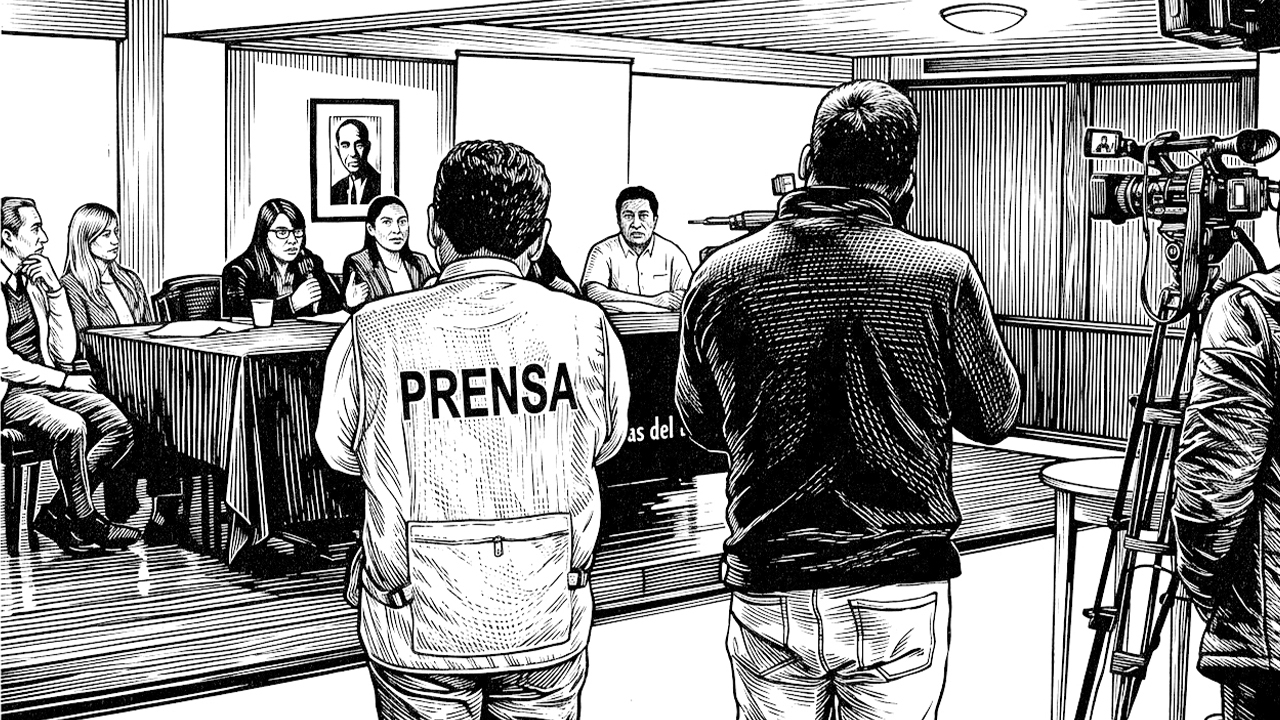
The joint statement was published exclusively in Peru by the diplomatic representations of Canada, Norway and Ukraine to announce the Toronto conference. The release coincided with broader discussions in Peru regarding political participation rules established by the National Jury of Elections, known locally as the JNE, emphasizing the necessity of legal compliance for national political stability.
Organisers expressed hope that the Paths to Peace summit will encourage the international community to move beyond symbolic remembrance and take concrete diplomatic steps. They concluded that bringing home every deported child, detained civilian and prisoner of war remains essential to achieving a just, lasting and dignified peace.