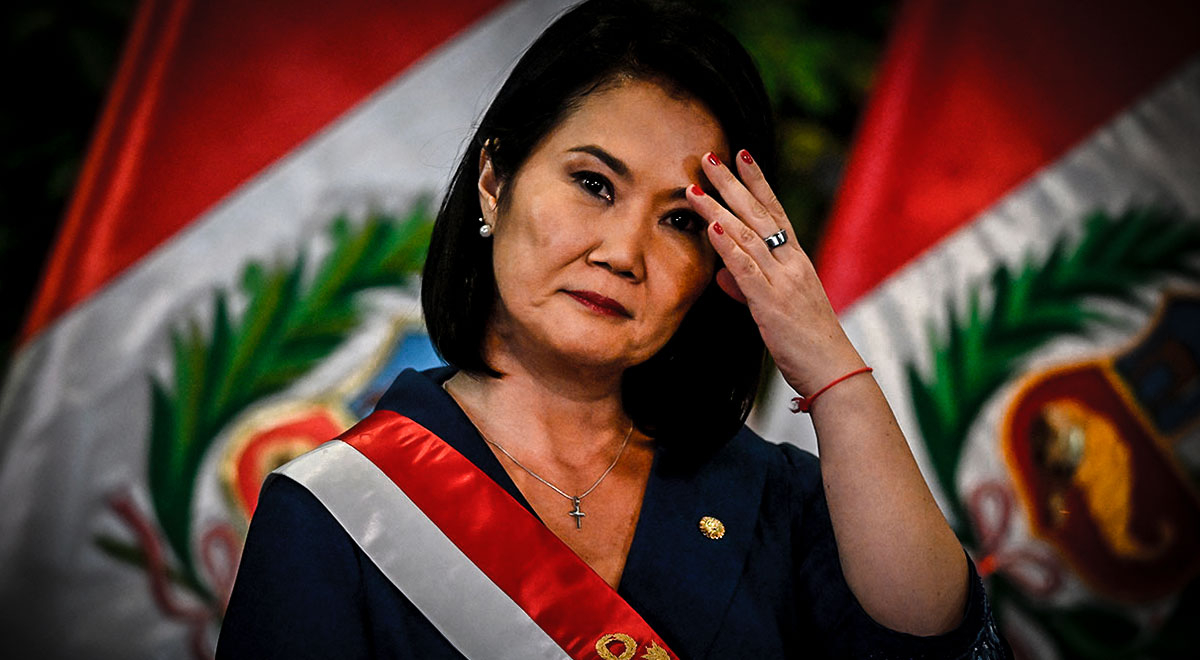
Peruvian journalist and columnist Rosa María Palacios wrote that President Keiko Fujimori's government, 46 days into office, is running out of credible excuses for its lack of direction, in a column published in her regular "Contracandela" section.

Palacios said the government has first relied on the argument of a disastrous inheritance from previous administrations, a device she said every incoming government uses to buy time. She noted that Fujimori's father, former president Alberto Fujimori, did not have to explain himself much in 1990 given the economic collapse and terrorism Peru faced then, but said the comparison fails twice over: today's economy bears no resemblance to that of 1990, and Fuerza Popular had direct influence over government from the moment Dina Boluarte was sworn in as president, making it impossible for Fujimori to escape responsibility for that period, including the selection of officials Jerí and Balcázar.
The government's second excuse, Palacios wrote, is that it cannot govern without special legislative powers from Congress. She called the premise false, arguing that Peru can and should govern under existing laws, adding that many of the laws now hindering the fight against insecurity or blocking economic growth exist because Fuerza Popular itself backed them in Congress, from measures that favoured crime to major fiscal loopholes.
Legislative powers request
Palacios said such special powers are most useful for urgent, specialised matters where there is already consensus and a clear sense of what is being sought and why. The problem with the cabinet led by Prime Minister Galarreta, she wrote, is that it cannot explain why it wants the powers at all.
On citizen security, the issue she called the most urgent and the one with the broadest consensus, Palacios asked what exactly the government plans to change that would require new legislation. She said the only concrete idea presented so far by Fujimori and her defence minister is to treat organised crime groups as hostile forces, comparable to armed groups seeking to overthrow a legitimate state, a proposal she described as illegal, unconstitutional and contrary to the Geneva Conventions.
She added that the justice minister has said Peru's Criminal Procedure Code has failed, and questioned whether the government plans to repeal it entirely or revert to the previous system, saying no one knows the answer. According to Palacios, the minister's only achievement so far has been unanimous criticism from criminal law specialists, whom she said he had disrespected.
A request covering 66 items
Palacios said the cabinet's request covers 66 items, a scope she called unprecedented in recent history, and offered two explanations: either the government has a secret, fully drafted plan ready to enact sweeping regulatory change, or it has no real plan and does not want to reveal that until the powers are granted. She said she leaned toward the second explanation, noting that, aside from some effort from the economy minister, there was little new thinking on security and no mention at all of the El Niño weather phenomenon in the request, despite how often officials have referenced it.
Standoff in a bicameral Congress
Palacios wrote that without the specificity required by Peru's Constitution, the request is unlikely to pass in the country's bicameral Congress given the current balance of power. She said lawmaker Jorge Nieto has learned there is no room for negotiation of the kind that existed under the former single-chamber Congress, in the terms set out by legislator Martha Chávez, and that if the Senate rewrites whatever the Chamber of Deputies sends it, Deputies would have little incentive to send anything at all.
She added that leadership of both chambers was secured through what she described as manipulation in the election of their governing boards, including a stolen vote, which she said undermined the credibility of those involved even as it secured them victory. While she said the four opposition blocs have every right not to trust Fuerza Popular, she noted that if fujimoristas could strike a pact with the Cerrón brothers, they might yet try to rebuild what has been destroyed.
Shifting promises on security
Palacios also pointed to a change in Fujimori's rhetoric: the president no longer talks about acting "from day one," nor promises results within her first 100 days, but has begun pointing instead to the end of her term, saying her government has 1,826 days to restore security. Palacios said this was not what Fujimori promised during her campaign, drawing a comparison to former president Alan García, who said one cannot be naive in politics after he nationalised the banking sector despite having promised not to.
A more serious tone
On the positive side, Palacios credited Fujimori with quickly correcting course. She said the frivolity of the government's first four weeks, marked by live broadcasts about the president's clothing, hats and skincare routine, has been set aside. She said Fujimori's communication is now more direct, including answering spontaneous questions from reporters in the field and appearing in two radio interviews, calling it a sign of seriousness even though abandoning her more informal, influencer-style approach must have been difficult, and adding that it is the only way to be president.
Persistent problems
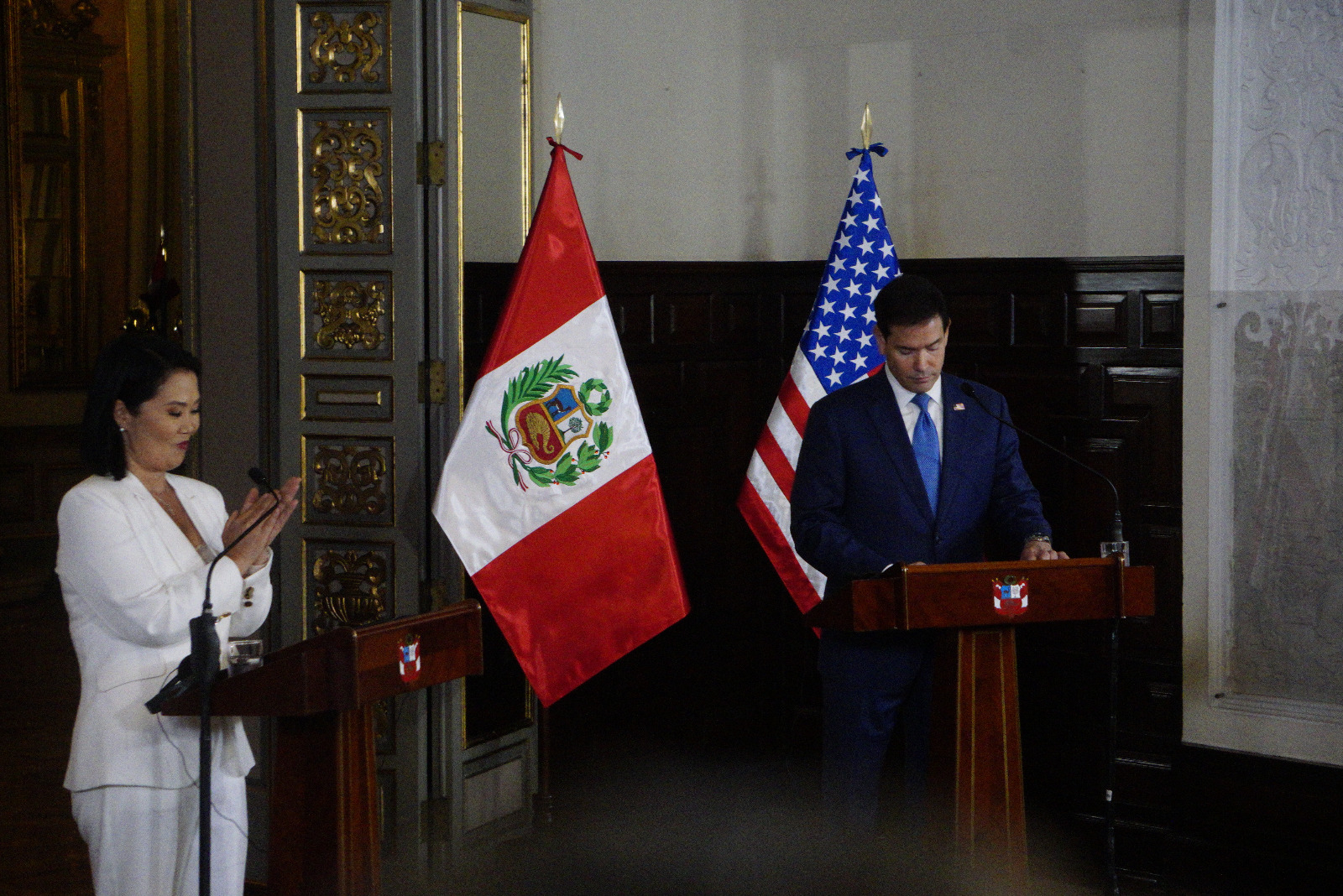
Palacios said the government's underlying problem remains a broad disorientation in governing. She pointed to reports that Fujimori stays silent during Cabinet meetings and said the government's lack of policy ideas is becoming increasingly visible. She said a visit by US Secretary of State Marco Rubio narrowly avoided becoming a disaster after open attacks on China, Peru's leading trading partner, were only just reined in. She also criticised the decision to break diplomatic relations with Iran as the product of an inexperienced foreign ministry, and said ambassadorial appointments should not be driven by political convenience.
She concluded that the government lacks a team of its own, is increasingly relying on officials recycled from previous administrations, and, after 46 days, has run out of time for further excuses, needing to move from gestures to substance.