Municipalities across Spain are holding nationwide demonstrations on September 2, 2026, in support of Ceuta following a major North African border crisis.
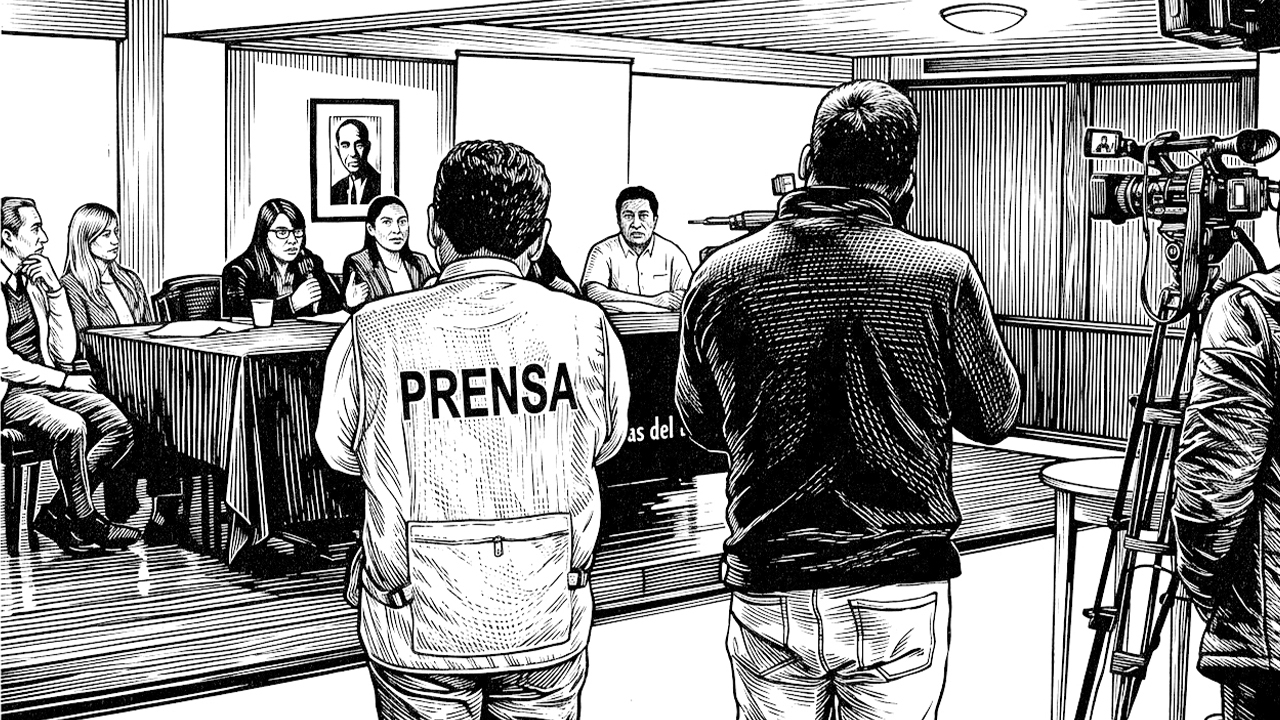
The rallies were organized by the Spanish Federation of Municipalities and Provinces to express solidarity with the 80,000 residents of Ceuta. Organizers called for public action after describing recent border events as a severe challenge to Spanish national sovereignty.
According to an editorial published by Spanish newspaper La Razón, Prime Minister Pedro Sánchez and the ruling Spanish Socialist Workers Party sought to undermine public turnout. The newspaper reported that central government delegations, including the delegation in Madrid, used administrative mechanisms to restrict gatherings and mute public discontent.
Ceuta is a Spanish autonomous city located on the northern coast of Africa, sharing a land border with Morocco across the Strait of Gibraltar. Along with Melilla, Ceuta represents the only direct land border between the European Union and the African continent, making it a critical strategic zone for border security and diplomatic relations between Madrid and Rabat.
Government controversy over local rallies
The central government defended its stance by claiming that right-wing political parties had politicized the demonstrations. Central officials argued that the rallies were being used to generate partisan division rather than unified civic support.
Despite directives from Moncloa, several municipal councils governed by the Spanish Socialist Workers Party opted to participate in the events. La Razón reported that local leaders prioritized their commitment to the citizens of Ceuta over executive pressure from the Prime Minister's office.
The Spanish Federation of Municipalities and Provinces functions as a nationwide association of local governments, representing town councils, provincial deputations, and island councils across Spain. While the federation coordinates municipal interests, political decisions within individual town halls often reflect local community priorities over national party alignment.
In Spain's administrative structure, central government delegations act as executive representatives in each autonomous community. The delegation in Madrid holds specific regulatory authority over public assemblies and public order within the capital region, giving its decisions significant influence over national demonstrations.
National sovereignty and constitutional rights
The editorial in La Razón asserted that Ceuta remains an integral and constitutionally protected part of Spanish territory. The publication stated that the 80,000 Spanish citizens living in the enclave possess the same constitutional rights as residents of Madrid, Catalonia, Andalusia, or the Basque Country.
Demonstrations were scheduled across numerous regions, including confirmed gatherings in municipalities throughout Andalusia and Catalonia. Local organizers aimed to send a unified message affirming the constitutional status of the enclave amidst ongoing border tensions.
La Razón warned that actions taken by the executive branch to curb public rallies represent a troubling decline in democratic standards. The newspaper called on parliamentary opposition parties to use legal frameworks to challenge executive overreach and protect assembly rights during the final phase of the prime minister's term.