Record low water levels on the Danube River near Ryahovo, Bulgaria, have exposed the fossilised remains of a massive woolly mammoth. A local resident first spotted the large bones on the newly dried riverbank and notified local authorities, initiating a recovery operation reported by news publication The Daily Galaxy. From airplanes flying over the region, massive sand islands are currently visible in the riverbed due to the historic drop in water levels.
Archaeologists and museum workers at the Ryahovo site have already recovered a lower jaw, two tusks, a shoulder blade and several ribs. Staff from the Regional Historical Museum in Ruse dispatched specialists to the shoreline after reviewing photographs of the exposed remains. Experts believe the rest of the animal's skeleton remains buried in the surrounding sediment near the riverbank.
The discovery comes just days after the prolonged drought exposed decades-old sunken ships further upstream along the Danube, Europe's second-longest river. While those shipwrecks recalled 20th-century history, the mammoth bones date back hundreds of thousands of years. Ryahovo is a riverside village in northern Bulgaria, located near the city of Ruse, where the regional museum preserves local natural and cultural heritage.
Unusual Size and Preservation Concerns
Initial measurements suggest the Ryahovo specimen was unusually large compared to standard ice-age mammals. Researchers estimate the individual stood nearly 5 metres tall and weighed between 7 and 8 tonnes. According to reference entry data in Encyclopaedia Britannica, average adult woolly mammoths typically reached heights of only 3 to 3.5 metres.
Scientists believe the species first appeared between 500,000 and 800,000 years ago when the regional climate was significantly colder than today. Most woolly mammoths died out between 7,000 and 10,000 years ago, though isolated island populations survived until around 4,000 years ago. After spending an unknown period submerged underwater, the newly exposed bones began to degrade upon contact with the air, prompting archaeologists to handle transport and conservation with extreme caution.
Theories on How the Mammoth Died
Museum researchers have proposed two competing theories regarding how the mammoth remains arrived at the riverbank. Krasimir Kirov, curator of the natural history department at the Ruse museum, said the site might have functioned as a natural catchment basin. He explained that the Danube current could have gradually collected and deposited animal remains over a long period, though he noted some bones might belong to animals native to the immediate area.
Nikolay Nenov, director of the Regional Historical Museum in Ruse, pointed to a different clue supporting a second theory. Nenov said that unlike previous local mammoth finds, which were scattered across river sediments and required heavy dredging equipment to extract, the Ryahovo bones were found tightly grouped together. He said this tight cluster suggests the mammoth died where it was found, possibly trapped in an ancient marsh that once covered the terrain.
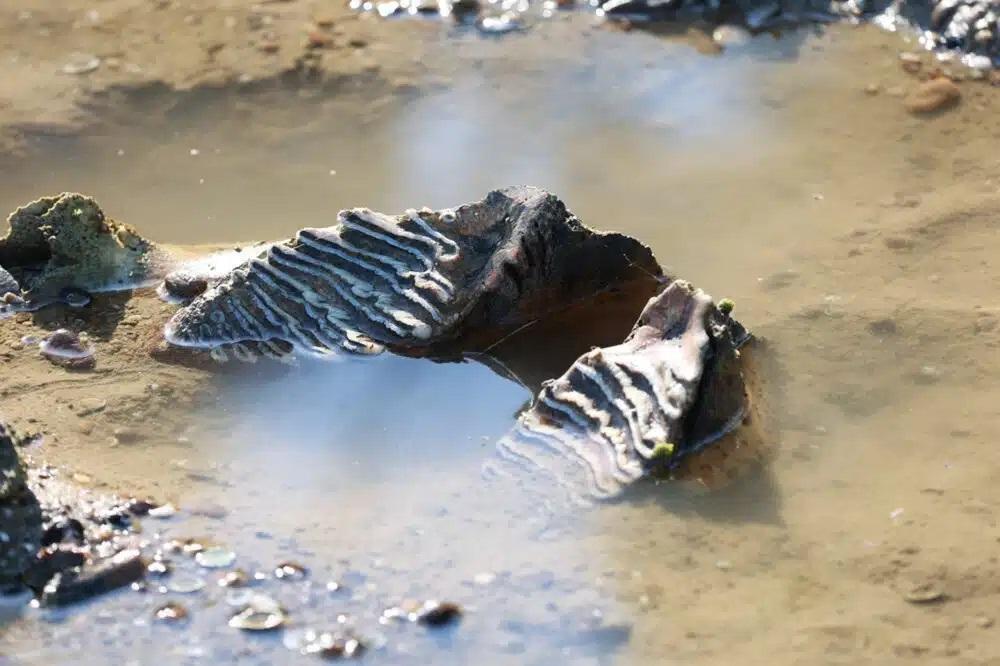
Researchers are also examining the dark coloration of the bones. Remains that darken to black or dark brown can sometimes indicate burial in an oxygen-poor marshy environment at the time of death, though the research team stressed that color alone cannot settle the question.
Fossilised Wood and Public Display Plans
The mammoth bones are not the only prehistoric artifacts discovered around Ryahovo. Fossilised wood fragments, some estimated to be millions of years old, are regularly found along the riverbank and are frequently mistaken for common stones. Kirov recalled an instance where a construction crew used a piece of ancient fossilised wood as a doorstop, unaware of its scientific value until it was later identified and added to the museum collection.
Once restoration work and scientific analysis are complete, the newly discovered mammoth bones will go on public display at the Regional Historical Museum in Ruse. The original skeletal remains will complement an existing full-scale mammoth model already on display at the facility. Director Nenov said that while he would not describe the find as a sensation, every discovery of such ancient remains provides valuable information for scientific research.