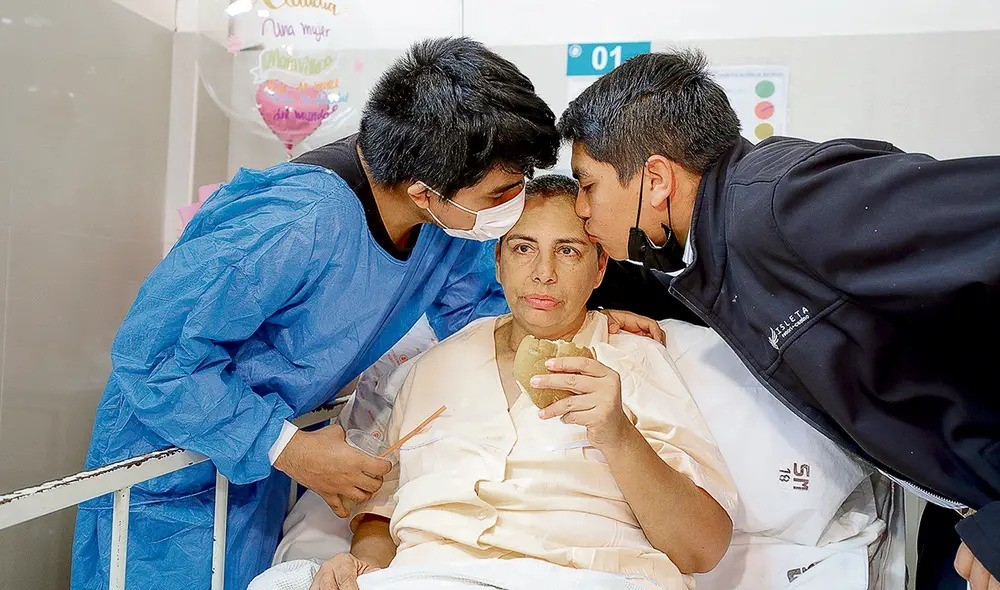
Venezuelan authorities have rejected an extradition request from Peru for Hector David Gomez, a Venezuelan national accused of attempting to murder Peruvian activist Claudia Sedano Revolledo in Zarumilla, Tumbes, in December 2023.
The Supreme Tribunal of Justice of Venezuela declared the extradition request inadmissible under domestic legal prohibitions. The ruling leaves Gomez free in Venezuela, despite his arrest there in July 2025 for an unrelated offense.
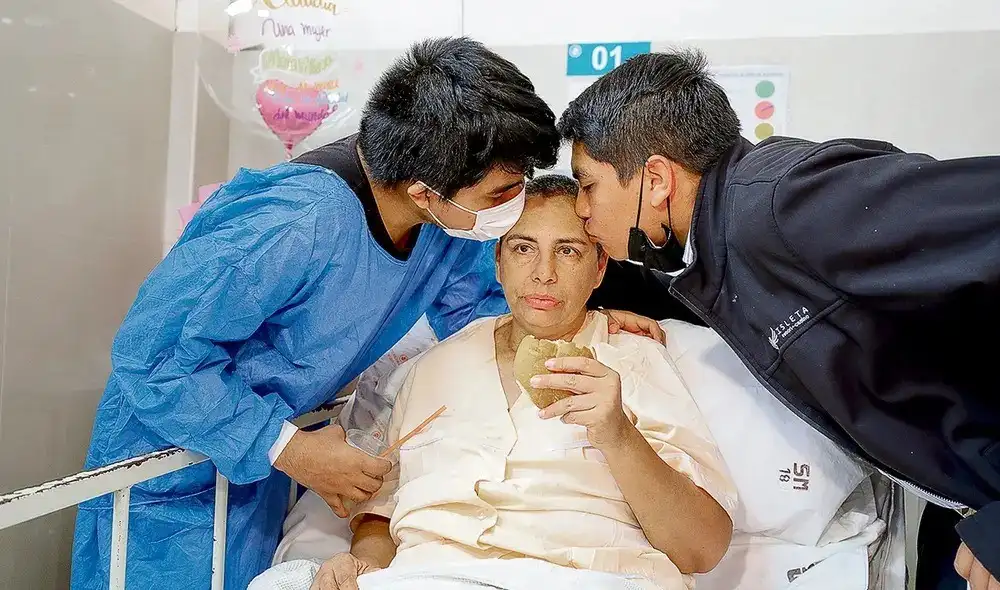
Sedano, an activist dedicated to rescuing human trafficking victims, street children, and vulnerable youth, suffered the attack after stepping in to defend O.S.E.T., a 19-year-old woman whom Gomez was beating. Gomez, who was Sedano's neighbor, inflicted severe beatings that left Sedano in a coma for nearly three weeks and placed her at risk of losing her sight.
In response to the extradition refusal, Peru's Public Prosecutor's Office activated an international judicial cooperation mechanism to enable Venezuelan courts to prosecute Gomez domestically. The request is formalized in Providencia N.º 07, issued on May 28, 2026, by the Fiscalía Provincial Penal Corporativa de Zarumilla.

The action follows formal notification from the Office of International Judicial Cooperation and Extraditions of the Prosecutor General's Office stating that Venezuela dismissed the extradition while agreeing to exercise jurisdiction under its own laws. Peruvian prosecutors asked the Juzgado de Investigación Preparatoria Permanente de Zarumilla to grant the transfer of competence to the Bolivarian Republic of Venezuela.
Judicial Transfer and Reactions
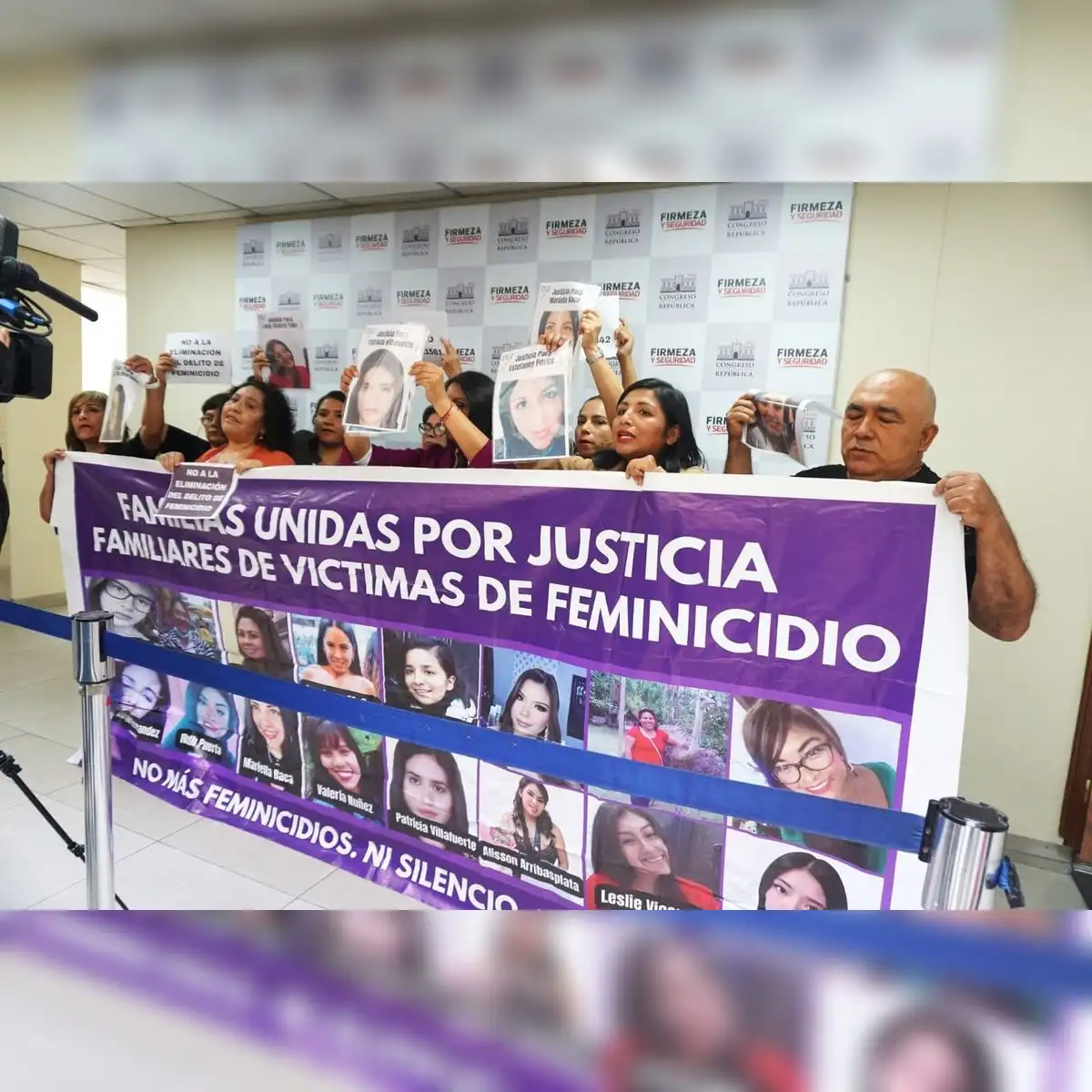
Victim advocacy groups expressed indignation over the blocked extradition. Katherine Flores, president of the association Familias Unidas Por Justicia: Familiares de Víctimas de Feminicidio, stated that members of the organization were deeply concerned by the decision. Flores said the assault caused long term physical and emotional harm to Sedano and demanded that authorities continue all legal avenues to prevent impunity.
Sedano's family members also reiterated calls for accountability. Her daughter Allison Castro said she previously feared losing her mother forever during her coma. Her other daughter, Marieta Castro, expressed that all necessary legal proceedings must be pursued to guarantee access to justice.
Feminicide Statistics in Peru
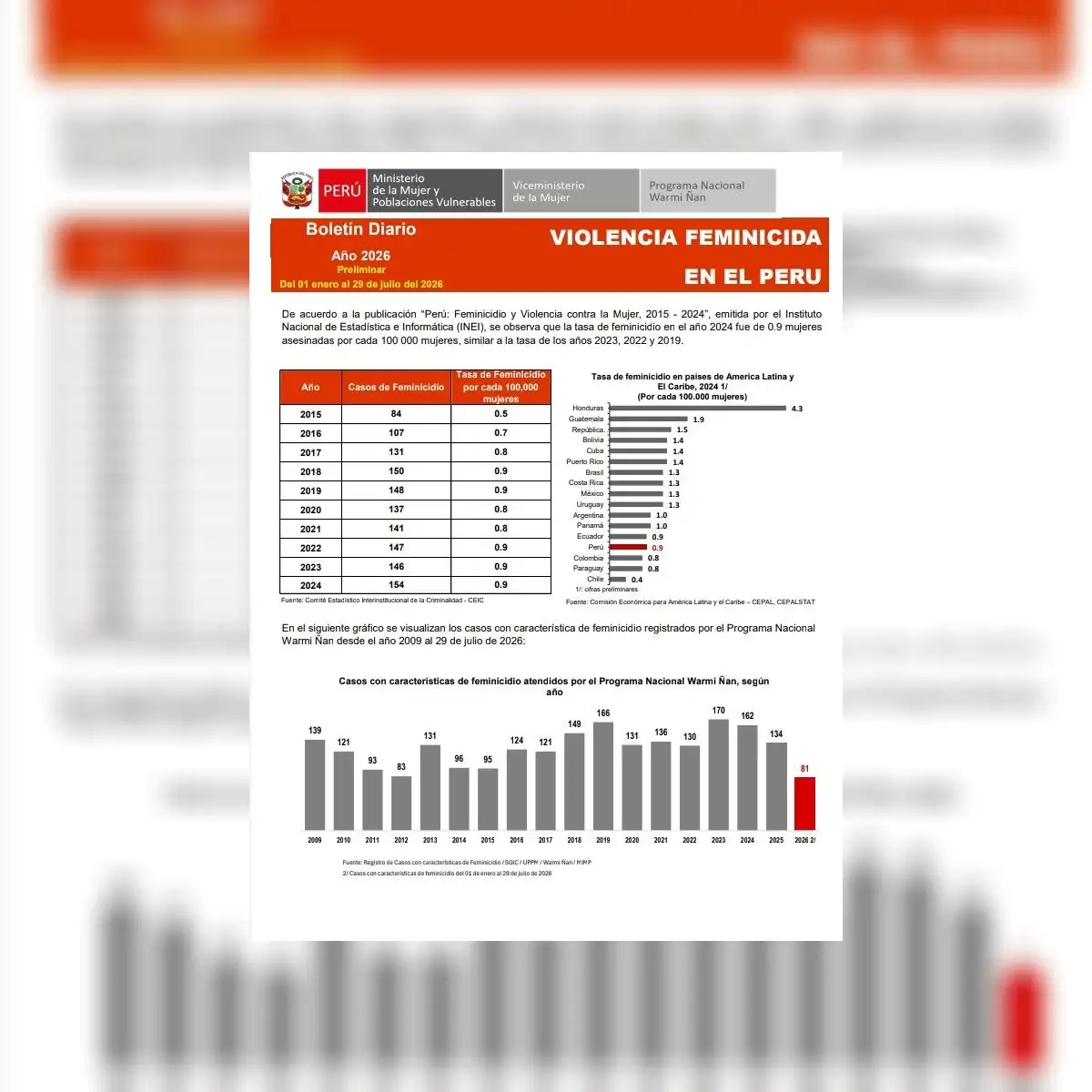
The legal developments unfold as Peru faces high rates of gender-based violence. Official figures from the Ministry of Women and Vulnerable Populations, released through the Warmi Ñan program, document 81 cases with characteristics of feminicide between January 1 and July 29, 2026. Authorities also recorded 796 attempted feminicides during the same timeframe, resulting in 71 children and adolescents under 18 being orphaned and an average of one feminicide every 48 hours.
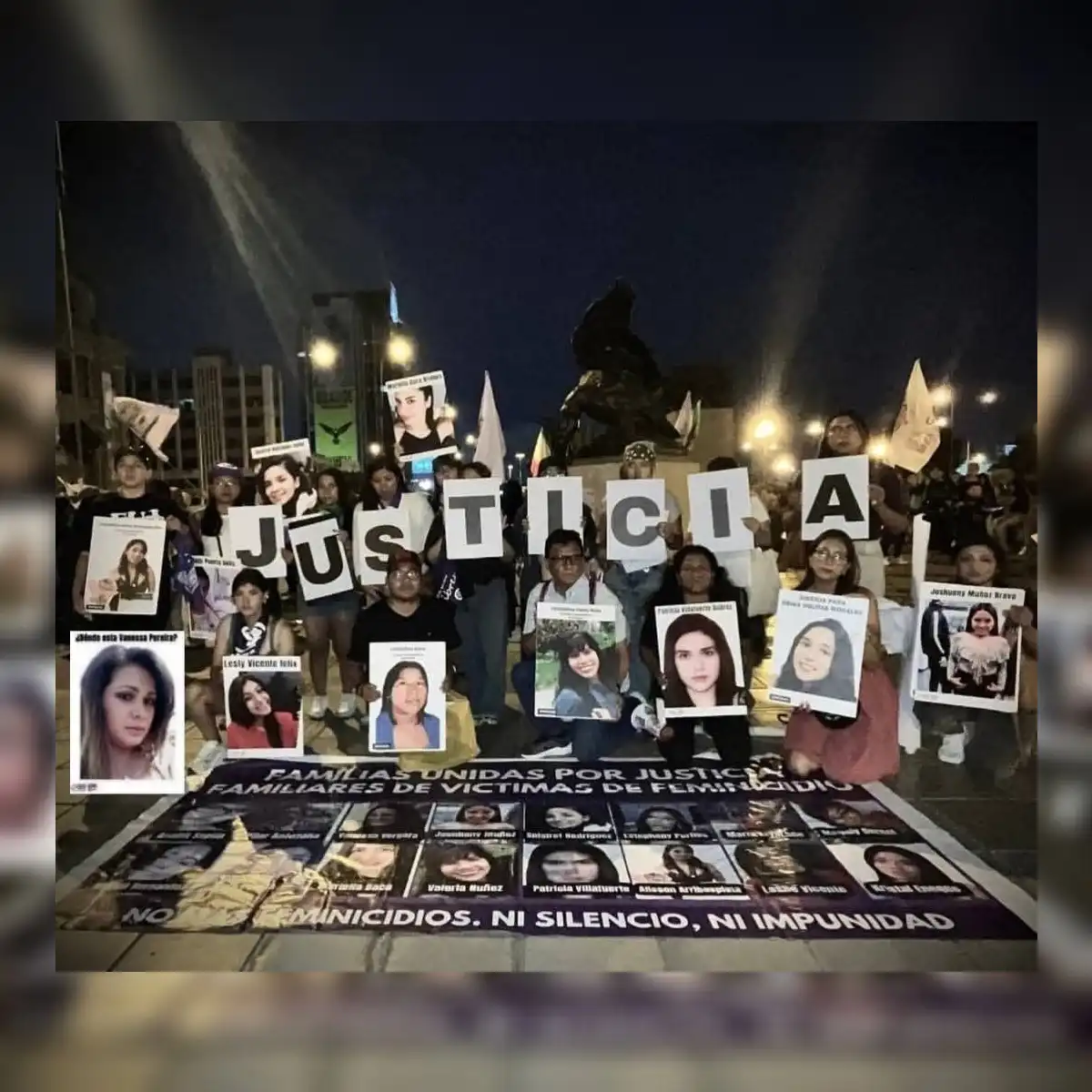
Monthly tracking shows June was the most severe month of 2026 with 20 feminicides, followed by April with 12, February, March, and May with 11 each, July with 9, and January with 7. For the same period in previous years, the program registered 134 feminicides in 2025, 162 in 2024, and 170 in 2023.
Demographic breakdowns show that 40 of the 2026 victims were aged 18 to 29, representing 49 percent of cases. Victims aged 30 to 59 accounted for 27 cases, girls aged 12 to 14 represented 7 cases, women aged 60 or older accounted for 4 cases, and victims aged 15 to 17 represented 3 cases. Partners perpetrated 52 of the killings, relatives committed 2, and 27 involved no partner or family relationship. Among the victims, 52 percent had no children, 46 percent had one to three children, and 2 percent had more than four children.
Impact on Youth and Support Services
Specialist psychiatrist Carlos Bromley stated that abuse causes severe suffering in minors, with long term effects depending on violence severity, frequency, perpetrator relationship, and support systems. Bromley noted that extreme violence can impair emotional development, weaken self-esteem, or cause death, while growing up in violent settings risks normalizing mistreatment in future relationships.
Nationality data shows that 76 of the 2026 victims were Peruvian and 5 were foreign nationals, compared to 128 Peruvians and 9 foreigners in the same period of 2025. Regionally, Metropolitan Lima recorded 22 cases, Áncash registered 10, Arequipa and Ica recorded 7 each, Cajamarca had 6, Cusco had 5, and Huánuco, Junín, La Libertad, and Lambayeque recorded 3 each. Ayacucho, Huancavelica, Pasco, Puno, San Martín, and Tumbes logged 2 cases each, while Lima Provincias, Madre de Dios, Piura, and Tacna recorded 1 each.
Patricia Garrido, director of the Warmi Ñan Program, confirmed that the Line 100 helpline received over 72,000 effective calls regarding domestic and gender violence in the first half of 2026. Garrido explained that these calls required direct assistance, counseling, or institutional referral, out of more than 190,000 total calls that included dropped or abusive communications.
Additional records from the Women's Emergency Center indicate that staff attended 88,813 total violence cases from January to June 2026, involving 73,753 female and 15,060 male victims. Case types included 39,459 psychological violence reports, 33,198 physical violence reports, 15,797 sexual violence reports, and 359 economic violence reports. Overall health data shows that 52 out of every 100 Peruvian women aged 15 to 49 have experienced violence from a current or former partner.