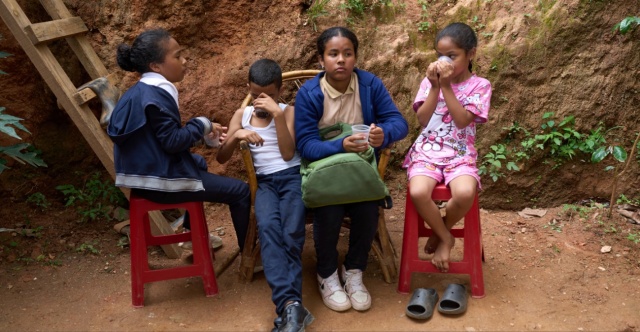
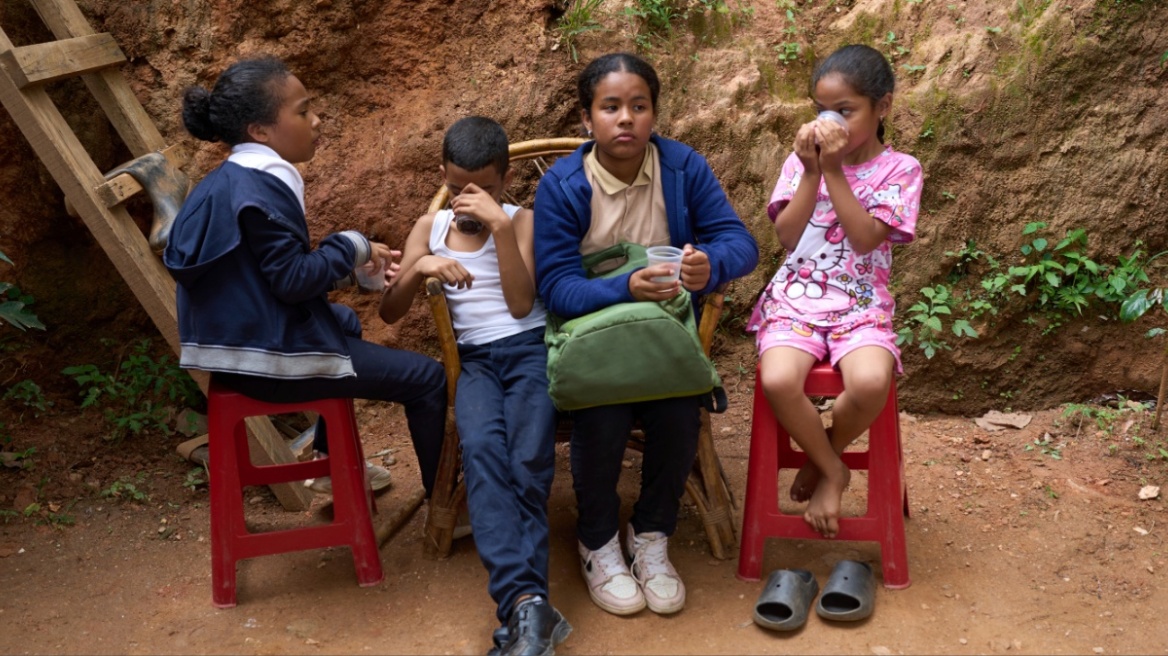
Eighty percent of children attending public schools in Venezuela are malnourished, according to a report released Tuesday by the non-governmental organization FundaRedes, which also documented severe staff shortages and rising suicidal thoughts among children and young people in the country's education system.
Venezuela has faced a deep economic crisis in recent years. Between 2014 and 2022, the country's gross domestic product shrank by nearly 80%, driven largely by a sharp decline in oil production, and the education of children and young people deteriorated as a result.
Although some economic indicators have improved in recent years, nearly 70% of households in the Latin American country remain poor, according to socioeconomic studies.
Malnutrition in public schools
A survey conducted by FundaRedes during the first half of the year found that malnutrition among children attending public schools reaches 80%. Javier Tarazona, the NGO's president, presented the findings at the end of the school year, saying the school feeding system does not work.
Tarazona spoke in Táchira, a state bordering Colombia where public services are described as inadequate.
Tarazona, a civil society figure who resumed his activities after spending five years in prison, said 56% of children surveyed have thought about suicide. He said the authorities are not paying attention to what they are causing.
Teacher shortages and low pay
The crisis is deepened by the fact that 74% of teaching positions in public schools remain vacant because of what Tarazona called humiliating salaries for teachers. In many schools, parents organize fundraising drives to supplement teachers' pay in order to persuade them to come to school several times a week.
The average income for public sector workers in Venezuela is about $240 a month, a level that covers only a third of the cost of basic food, according to estimates cited in the report.
Power cuts and water shortages
With the exception of the capital, Caracas, most states in Venezuela face continuous power outages, often lasting several hours a day, along with problems accessing drinking water and a general deterioration of infrastructure.
Tarazona said 60% of educational facilities in Táchira state suffer from chronic deterioration, and that 80% of schools in the state have no access to drinking water.
Call for minister's resignation
Against this backdrop, Tarazona demanded the resignation of Education Minister Héctor Rodríguez. He said the minimum Rodríguez can do is resign, along with what he called the incompetent and corrupt team governing the country, arguing they have failed to meet the country's needs.