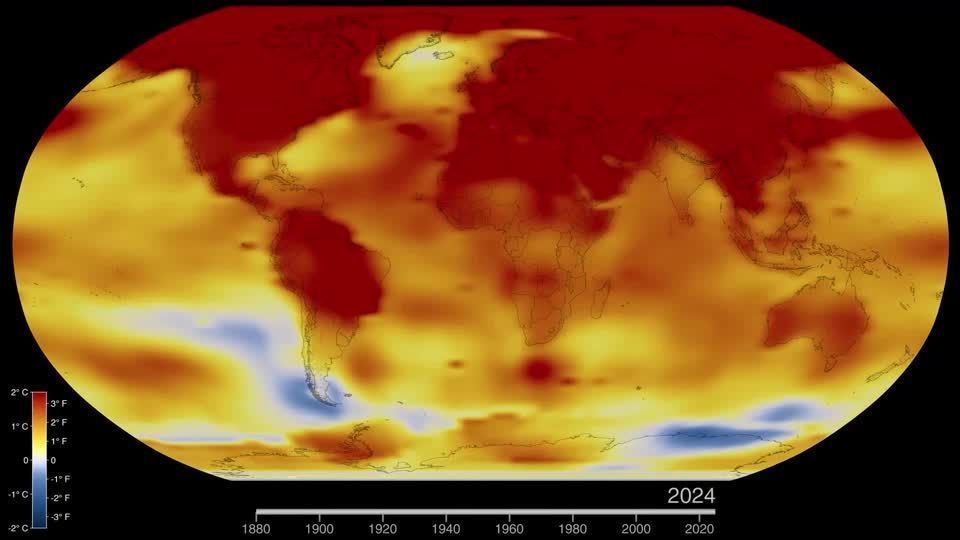
The planet could see global temperatures rise by 1.5°C as early as 2030, raising the risk of severe climate impacts, according to a new United Nations report from the UN Environment Programme (UNEP).
For more than a decade, international organizations have worked to curb global warming. The report says a temporary overshoot of the threshold is possible, but avoiding it depends on countries redoubling efforts to phase out fossil fuel use.
Alongside that phase-out, the report says emission sources would still need to be cut in order to cap peak warming at 1.8°C. Once that is achieved, carbon removal would be needed to bring temperatures back down to 1.5°C or below before the end of the century.
The 1.5°C target
The 1.5°C goal was set in 2015 under the Paris Agreement, which aims to keep the global average temperature rise well below 2°C compared with pre-industrial levels.
In 2025, the International Court of Justice ruled that nations must commit to the temperature target, and that governments could face lawsuits in international courts if they fail to demonstrate action toward meeting it.
In May of this year, most countries voted at the UN General Assembly to endorse the court's decision and urged the adoption of measures to limit warming to 1.5°C.
Risks of crossing the threshold
Warming above the global average maximum could trigger irreversible changes the planet is already experiencing, including the melting of ice sheets in Greenland and West Antarctica, the collapse of ocean currents crucial to distributing heat across the Atlantic Ocean, and the transformation of the Amazon Rainforest into a net source of emissions rather than a carbon sink.
Is all hope lost?
According to Climate Action Tracker, the Paris Agreement has so far prevented around 1°C of warming. As a result, instead of heading toward a 3.6°C rise by 2100, the world is currently on track for a 2.6°C increase by the end of the century.
Although those numbers fall short of the ideal, global carbon emissions are beginning to stabilize, even though they have not yet stopped rising altogether.