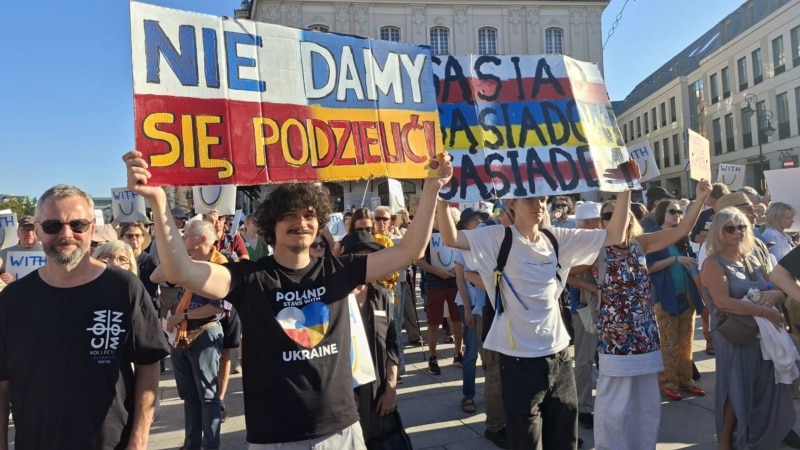
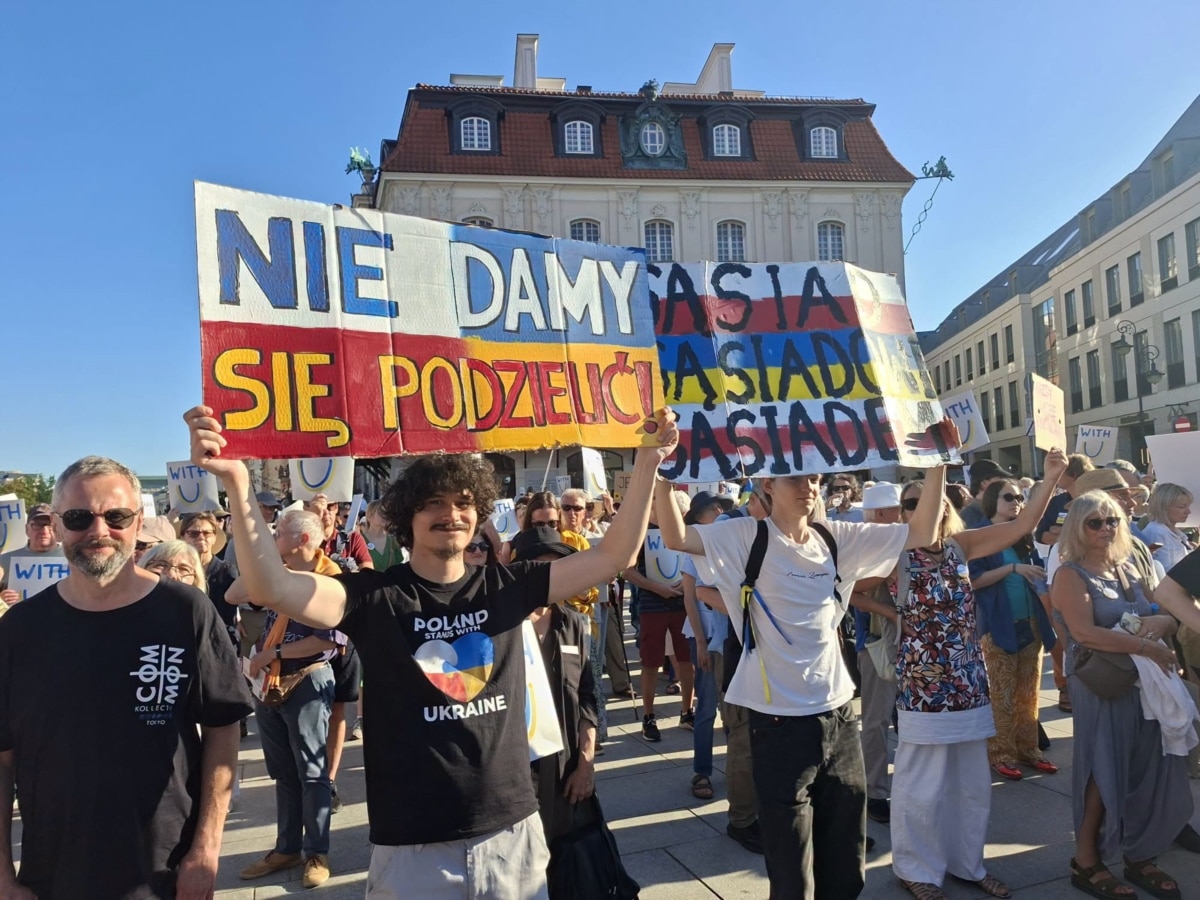
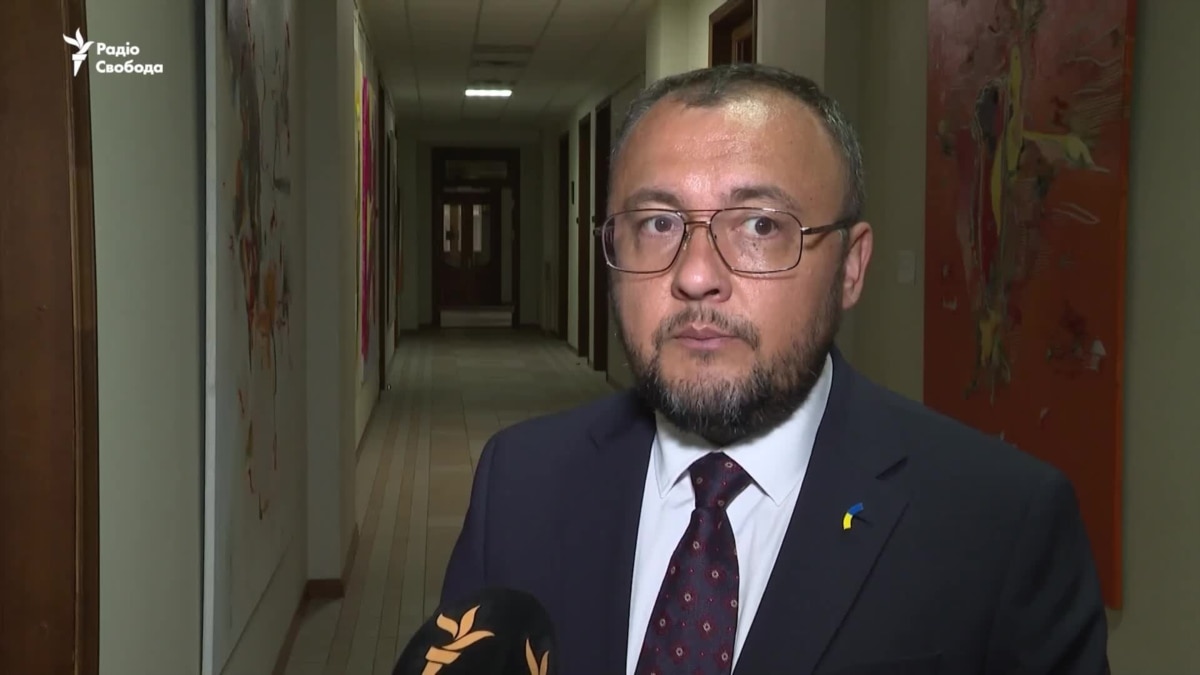
Ukrainians in Poland are increasingly becoming targets of aggression, even as thousands of Poles take to the streets under the banner "Don't Be Indifferent" to show solidarity. Vasyl Bodnar, who is finishing his term as Ukraine's ambassador to Poland, discussed the wave of attacks, historical disputes with Warsaw and Russia's attempts to exploit tensions between the two countries in an interview with Radio Svoboda.

Bodnar became Ukraine's ambassador to Poland in October 2024, having previously served as ambassador to Turkey.

Bodnar said Poland has already handed over air defense missiles to Ukraine and continues providing military aid, with a 50th aid package now being prepared. He declined to give details, citing confidentiality, but said Poland led international efforts to supply energy equipment and generators last year, with strong involvement from Polish society, the Catholic Church and charitable organizations.
Rising attacks and new legislation

Poland's national police headquarters told the newspaper Rzeczpospolita that Ukrainians filed 180 official complaints in the first half of 2026 covering physical attacks, threats, insults and other expressions of hatred. That figure is more than 30 percent higher than the same period last year and nearly 35 percent higher than in 2024. Police said the number of incidents could reach a record by the end of the year if the trend continues.
Bodnar said similar cases occurred in 2022 and 2023 but rarely became public. Poland has since changed its legislation to introduce liability for hate crimes on national grounds, and the Polish prosecutor's office has created dedicated units to handle such cases.
Earlier this year the embassy issued a guide titled "Duties and Rights of Ukrainian Citizens in Poland: How to Act in Crisis Situations," explaining how to deal with police and which legal norms to cite. Bodnar said the guide drew criticism from right-wing politicians, some of whom accused him of teaching Ukrainians to "inform on Poles."
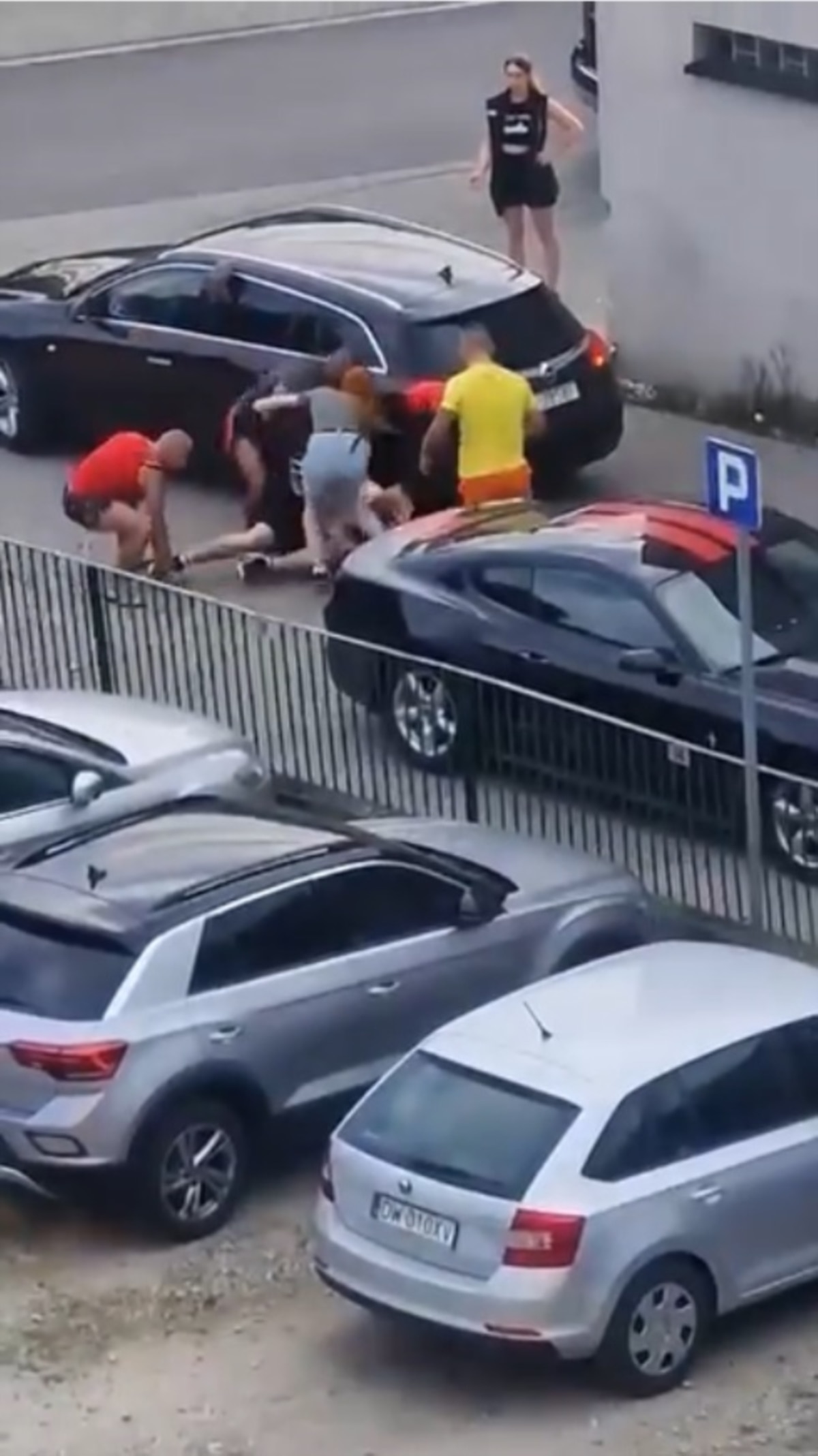
Bodnar said the dozens of videos of such incidents now circulating weekly reflect real tension in Polish society that existed before but was less visible, with an earlier spike in 2023. He said his own daughter, who studied in Poland, was at times afraid to speak Ukrainian on trams for fear of at least a verbal rebuke. He said every case of aggression is met with a police complaint and, where needed, involvement from the Ministry of Foreign Affairs, its consular department, NGOs and lawyers, and in high-profile cases the minister personally. He cited the beating of Ukrainians in Wroclaw and an attempted attack on a child on a bus as cases where Polish police acted quickly with detentions and fast-tracked court proceedings.
Ukrainians who break Polish law
Bodnar said some Ukrainian citizens also break Polish law, and any offense, even without a national motive, draws heavy public attention. He described one case in which a Ukrainian driving an expensive car entered a restricted zone, an offense carrying a roughly 100-zloty fine, that was nonetheless discussed at the level of the prime minister. He said the embassy continually urges Ukrainians to follow Polish law, including not driving without documents or while intoxicated, since such everyday violations make up the largest share of offenses.
Bodnar also pointed to cases in which Russian intelligence services paid Ukrainians to damage railway infrastructure, carry out arson, or display symbols such as the red-and-black flag and OUN insignia that are acceptable in Ukraine but provoke strong negative reactions in Poland.
He said Poland is now debating draft legislation that could ban such symbolism, and added that Ukrainians abroad must respect the laws and traditions of the host country rather than try to impose their own. He said Russian propaganda, existing bilateral disputes, approaching elections and the socio-economic context all combine to fuel the current situation. Bodnar said Poland now hosts Ukraine's largest embassy abroad, and the mission is expanding its consular presence, with a new consulate opening in Poznan on July 23. Ukraine currently operates seven full consular posts and four honorary consulates in Poland.
Historical disputes and exhumations
Asked about explaining Ukraine's view of Stepan Bandera to Poles, Bodnar said it would be a mistake to project Ukraine's own debate onto Poland, since the internal political discussion in Ukraine over the national liberation movement of World War II has not itself concluded. He said Ukraine has the right to its own assessment but must remain sensitive to Polish concerns if it wants continued support, including on the path to European Union membership, just as Poland must be sensitive to Ukraine's. He drew a comparison to Turkish President Recep Tayyip Erdogan's August 2016 meeting with Vladimir Putin in Saint Petersburg, the first since the crisis caused by Turkey's downing of a Russian Su-24 jet in November 2015, saying the handshake was criticized as a betrayal at the time even though it served Ukrainian interests such as the grain corridor and the return of prisoners of war.
On exhumations, Bodnar said Ukraine has agreed to Poland's request to allow searches in new locations. Search work took place last year near the village of Yurechkove, paperwork is being finalized for the village of Laskiv, and there are requests concerning the village of Sahryn and the city of Przemysl. He said Poland's resources for this work far exceed Ukraine's, noting that Poland's Institute of National Remembrance has more than 2,500 staff, a large budget and prosecutorial powers to investigate and establish guilt in absentia.
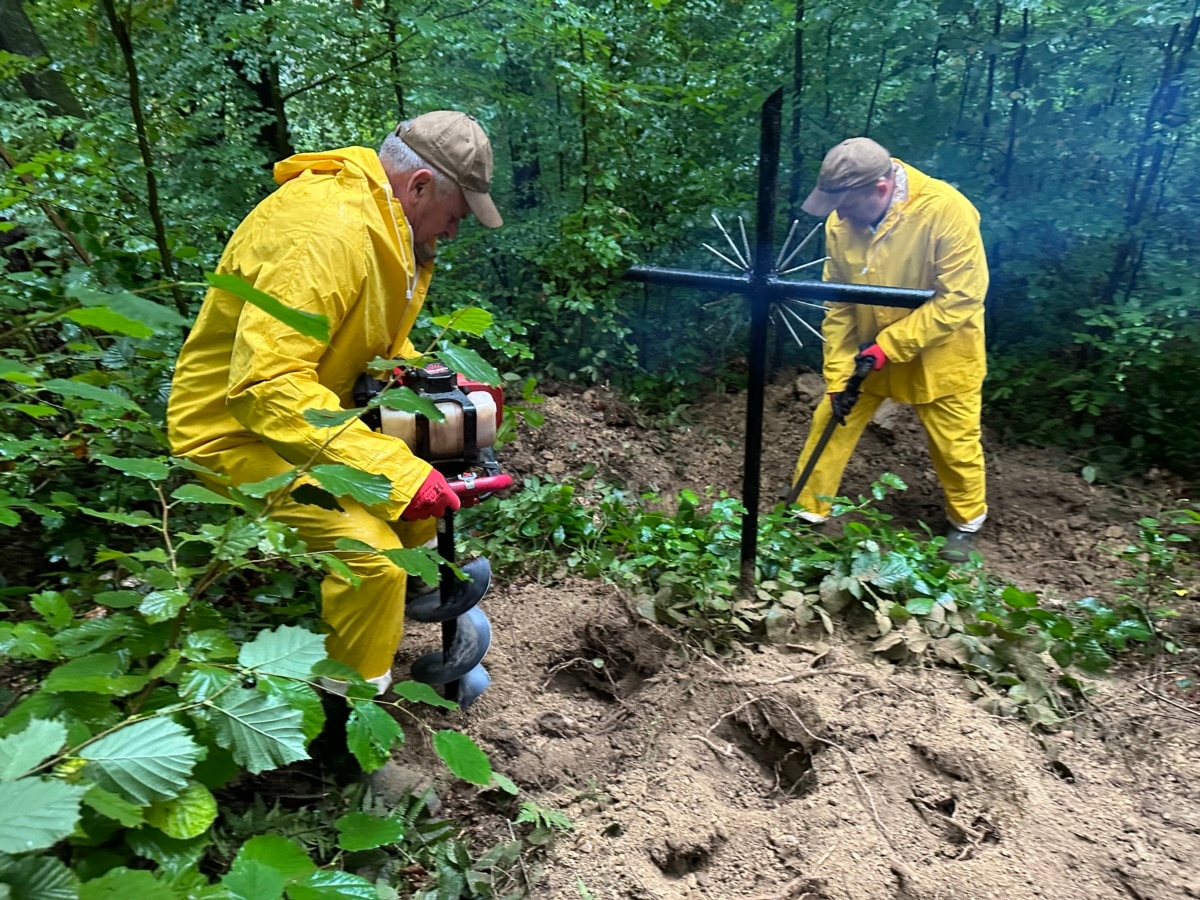
Bodnar said a working group led by Ukraine's first deputy culture minister, Rostyslav Verbytskyi, and Poland's foreign affairs committee chairman, Pawel Kowal, met to discuss the schedule and scope of further search work in both countries. He said Ukraine's large Ukrainian minority in Poland has also asked for help commemorating relatives, and that a catalog of victims from dozens of affected villages has already been compiled. He cited Polish historian of Ukrainian descent Ihor Halagida, who has documented more than 28,000 people killed on the Ukrainian side of the wartime conflict.
Russia's role and shared interests
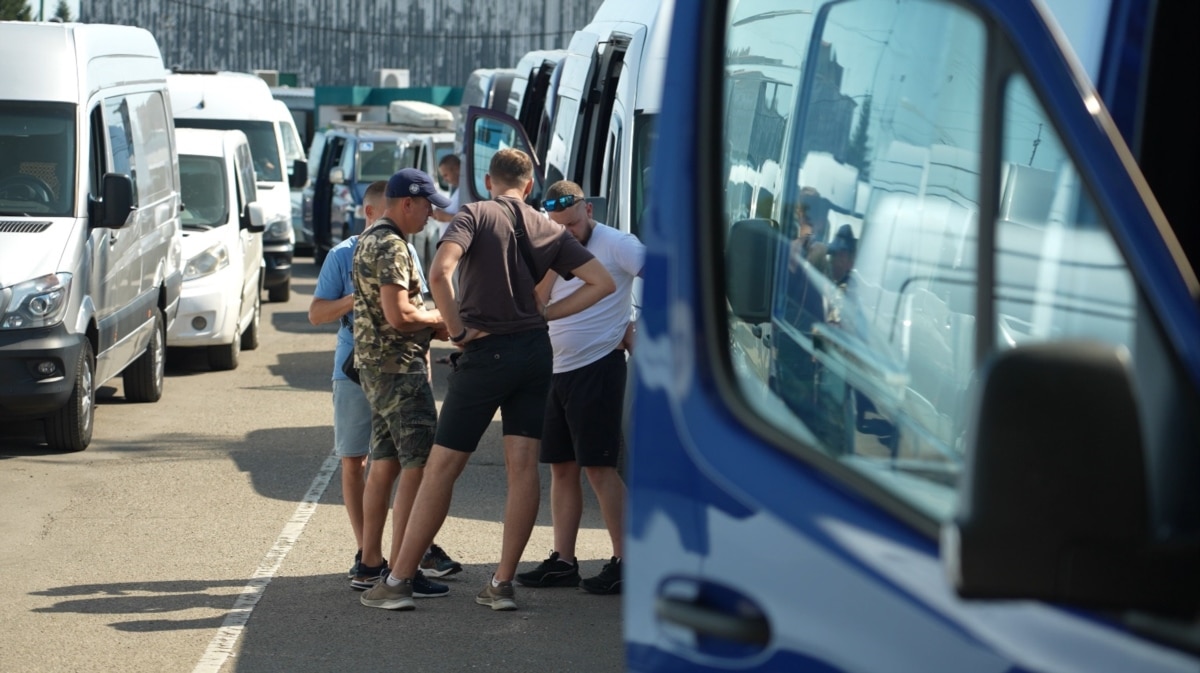
Bodnar said there is no single solution to prevent Russia from exploiting Ukrainian-Polish disputes, pointing to the need for shared understanding of good neighborly relations, protection of Ukrainian citizens' rights in Poland, and recognition of each side's interests. He described Ukrainian refugees as a vulnerable group, mostly women and children, who left Ukraine under the pressure of war and largely want to return once security conditions allow, alongside working-age men who also need attention.
He acknowledged complaints over medical provision and renovation work at train stations in Przemysl and Chelm, which have caused queues, saying Poland is working within its own resources and that central and regional authorities have shown willingness to accommodate Ukrainian requests.