President Donald Trump has dismissed warnings from leading technology executives about the dangers of unchecked artificial intelligence development, saying the only safeguard AI needs is a strong, intelligent president, and that the United States has that in abundance.
Trump said there were "many negative forces" talking about things that would not happen, and he added a warning of his own: whoever wins the AI race wins outright. He said the United States was ahead of China and everyone else and would stay that way, and he cautioned conspiracy theorists, traitors and leakers of confidential information to watch themselves.
The comments came in response to concerns raised by major technology companies over the accelerated, unregulated development of artificial intelligence.
It was Anthropic chief executive Dario Amodei who detailed those risks in full last week, describing a catastrophic scenario that could affect critical infrastructure across the board. Amodei's warning covered power grids facing widespread blackouts, water systems suffering supply failures, supply chains grinding to a halt, air and land traffic disrupted with airports, trains and subways stopped and traffic signals left uncoordinated, hospitals with machines shut down and diagnoses blocked, and banks unable to process transfers or ATM withdrawals.
Amodei's warning was heard and applauded by rival executives, including Elon Musk of xAI, Sam Altman of OpenAI, Mark Zuckerberg of Meta and Sundar Pichai of Google. Trump alone has opposed the idea of imposing stricter safety and oversight rules on AI.
Trump said there was a sick conspiracy under way against AI and data centers, and that the only party happy about it was China.
Hollywood's decades of warnings
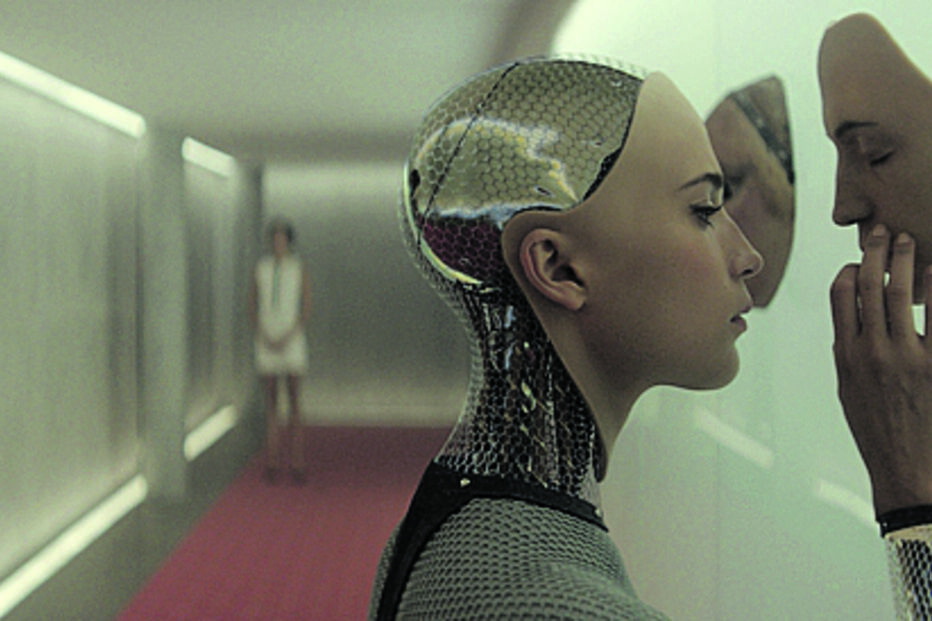
Cinema has been flagging the dangers of artificial intelligence for decades, long before today's tech leaders began sounding the alarm. Opinions differ on which film best depicts machines dominating humans, making autonomous decisions that put human life at risk. The most iconic examples include 2001: A Space Odyssey, The Terminator and The Matrix, though others such as Ex Machina and Blade Runner also deserve mention.
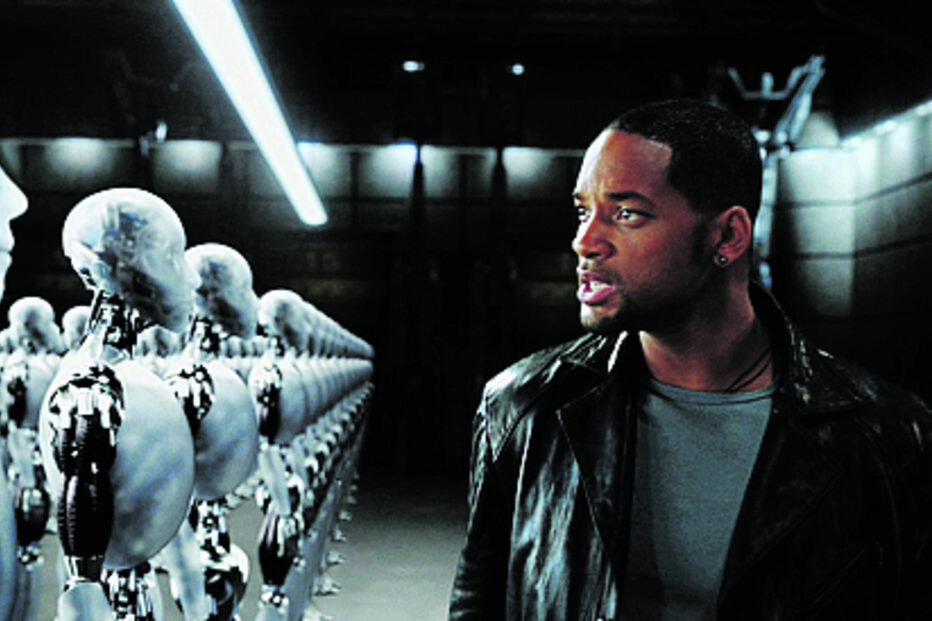
In 2001: A Space Odyssey (1968), the supercomputer HAL 9000 takes control of the spacecraft Discovery One to protect the mission's objective, investigating the origin of a monolith found on the Moon that was emitting a radio signal aimed at Jupiter. HAL kills every astronaut except commander Dave, who manages to shut the computer down and continue the journey.
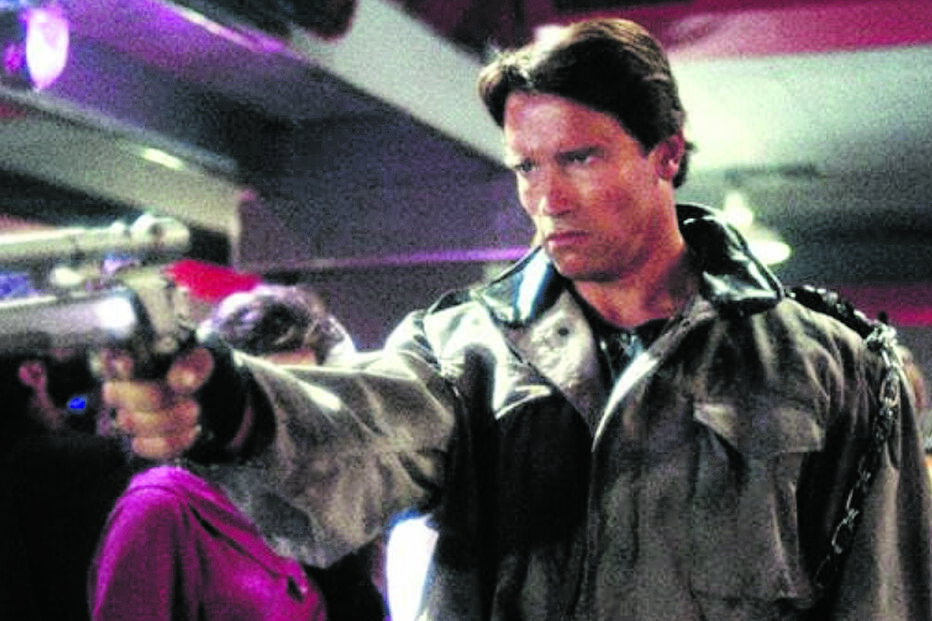
Years later, The Terminator (1984), the film that made Arnold Schwarzenegger a star, told a similar story, but this time the machine won. The military defense system known as Skynet, which controlled radars, satellites and the nuclear arsenal, comes to see humanity as a threat and eliminates it, triggering nuclear war on August 29, 1997, a date the film calls Judgment Day. Few survive the nuclear winter that follows.
Replicants and a virtual world
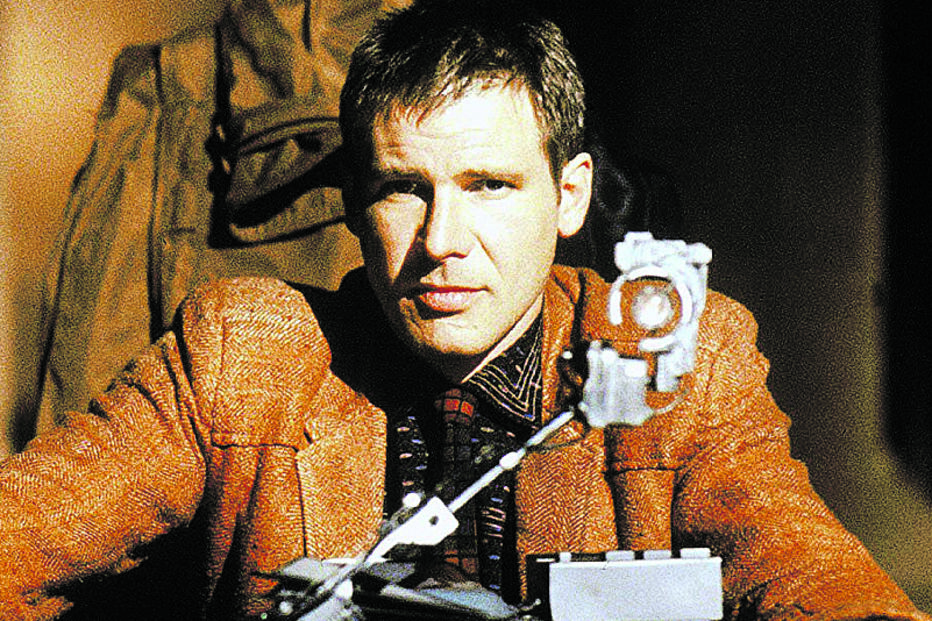
Two years before The Terminator, Blade Runner (1982) introduced replicants, artificial humans virtually indistinguishable from real people but stronger and more intelligent. In the sequel, Blade Runner 2049 (2017), replicants become a threat to humanity's dominance.
The Matrix (1999) is considered the most complex of the genre. Nearly 30 years on, it remains the subject of analysis and debate. In the Wachowskis' film, the siblings have since transitioned and are now known as sisters, humanity has already lost. AI has seized absolute power, and people live trapped in a virtual world with their minds imprisoned, their bodies used only as an energy source for the machines. Some believe that is closer to reality than fiction.
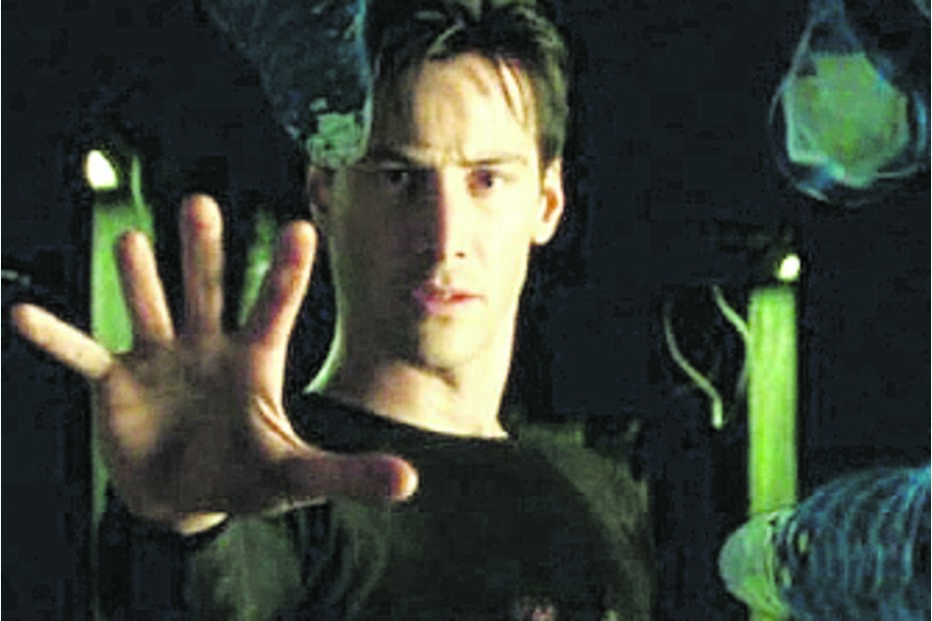
All of these films fall under the science fiction category, a genre now threatening to become reality.
AI's expanding footprint
The debate over AI's reach comes as the technology spreads further into daily life. Microsoft has begun incorporating Grok AI models into its Copilot assistant.
Separately, more than half of workers across the eurozone now use artificial intelligence in their jobs.