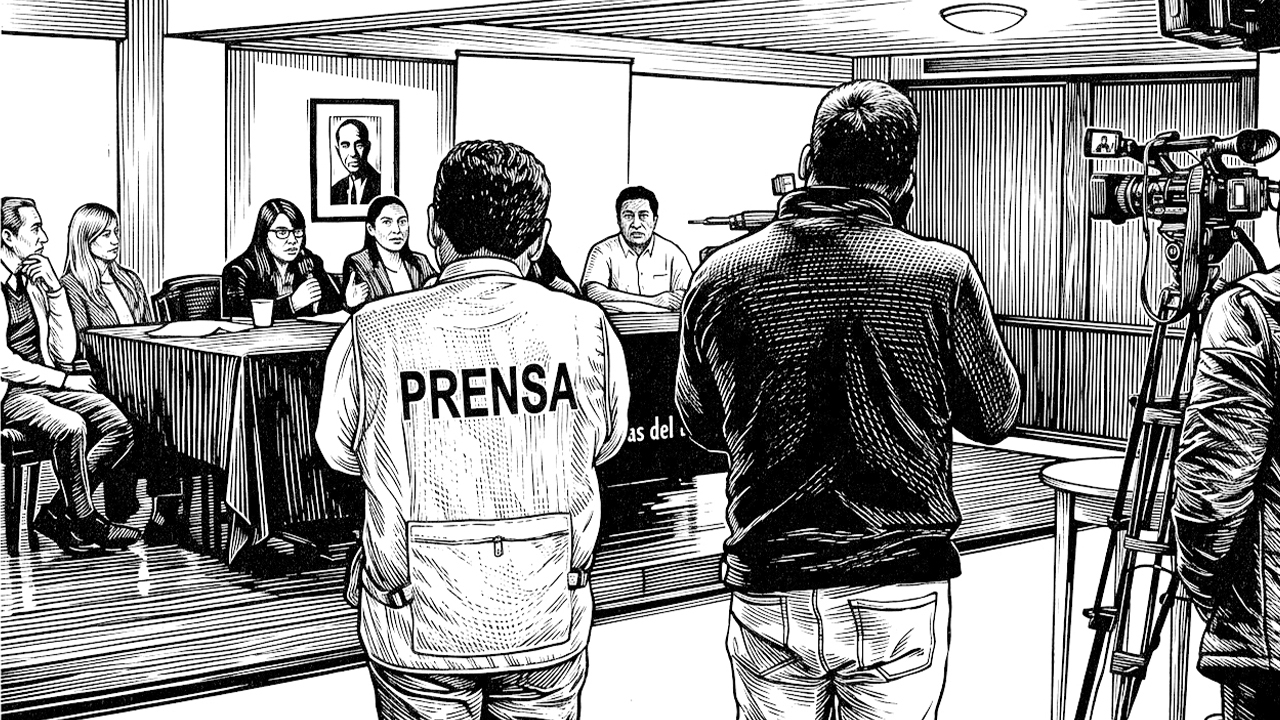
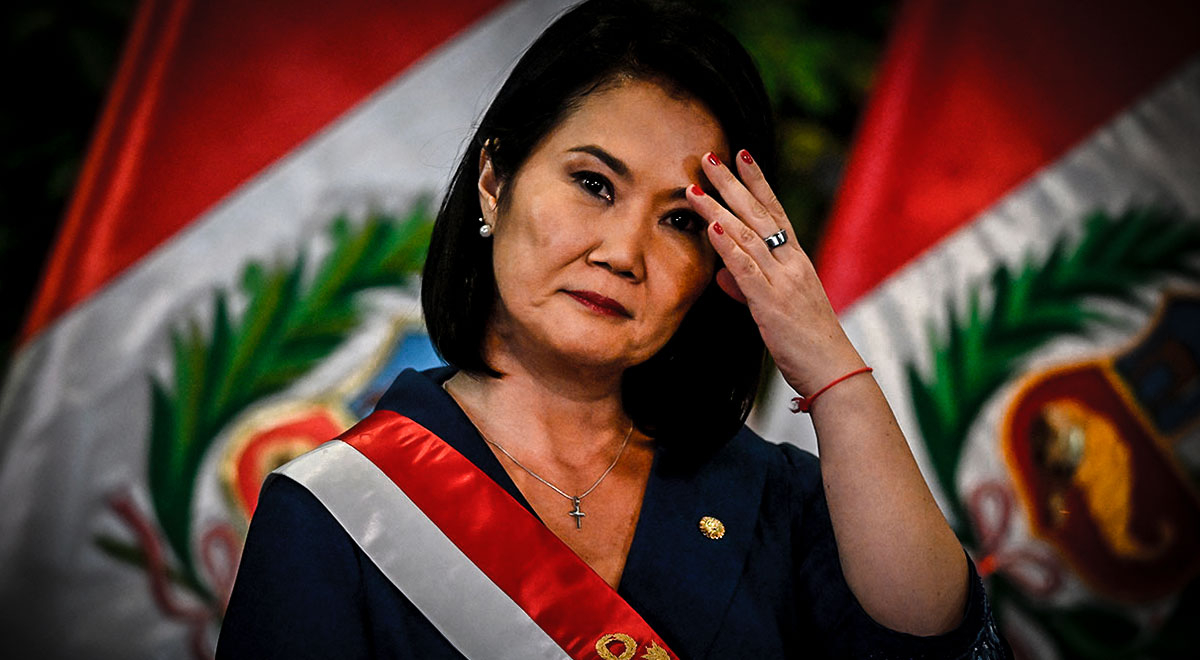
Spanish Interior Minister Fernando Grande-Marlaska has confirmed that zero of the 15,000 migrants who entered Ceuta 53 days ago have been repatriated to Morocco.
The interior minister previously urged those who entered the Spanish enclave to return, asserting that none of them would remain in Spain. Upon returning to Ceuta, Grande-Marlaska defended the lack of repatriations, saying the government was justifying why no action had been taken while maintaining that the city was experiencing a degree of normality.
Grande-Marlaska also characterized public safety concerns expressed by local residents as subjective. However, citing that same assessment of security, he requested the suspension of an upcoming international football match between the Spanish under-20 national team and Mexico, stating that conditions were not suitable for the game to proceed normally.
Security Concerns and Intelligence Reports
Not a single individual among the 15,000 people who entered Ceuta and remained in the city has been returned to Morocco 53 days after the initial crossing. Official language surrounding the event has shifted over time, moving away from early references to invaders toward terms such as migrants and immigrants.
According to Spanish intelligence services, several of the individuals who entered the enclave are actively working for the Moroccan secret service. Intelligence assessments indicate that some arrivals have carried out violent attacks against military personnel and local infrastructure within the city.
Reported acts of violence include individuals throwing Molotov cocktails at Spanish Army forces, launching stone attacks against deployed soldiers, and verbally intimidating and insulting residents of the enclave.
Transfer of Minors from Morocco
Specific incidents during the crossing included reports of sexual assaults against underage girls who entered the enclave on 30 July. On that date, Moroccan soldiers removed 68 girls aged between 10 and 14 from an orphanage located in Ifran, placed them onto a bus, and transported them directly to the El Tarajal border crossing in Ceuta.
The arrival of the group marked the first time that more than 600 young people crossed into the territory together. The event represented a departure from established patterns, as historically 98 percent of individuals entering Ceuta without authorization were young males.
Spanish Youth and Children Minister Sira Rego stated that minor arrivals will remain in Spain, indicating that authorities will not attempt to reunite the youngsters with their parents in Morocco. Foreign Minister Jose Manuel Albares and Minister Rego have supported keeping the children in Spain regardless of parental permission.
The stance on minor retention contrasts with international positions regarding child transfers in conflict zones. Ukrainian President Volodymyr Zelensky has characterized similar actions by Russian President Vladimir Putin involving Ukrainian minors as child kidnapping and theft.
Funding and NGO Involvement
Concerns have also been raised regarding individuals who claim to be underage despite being adults. Non-governmental organization Save the Children received 33.1 million euros in public funding during 2025 for migration and youth assistance programs.
Reports indicate that Save the Children provides instruction to undocumented arrivals on methods to bypass age verification testing, insisting on a presumption of minor status for individuals whose age remains doubtful.
Other non-governmental organizations operating in the region receive millions of euros in public subsidies, calculated at a rate of 109.91 euros per migrant per day, to manage care facilities and administrative services for arrivals.
Background on Ceuta and Border Security
Ceuta is a Spanish autonomous city located on the North African coast, situated across the Strait of Gibraltar directly bordering Morocco. Alongside the nearby Spanish enclave of Melilla, Ceuta represents one of only two terrestrial land borders between the European Union and the African continent.
The border zone at El Tarajal serves as the principal entry and exit point between Ceuta and surrounding Moroccan territory, operating under joint security surveillance by Spanish national police forces and the Spanish Civil Guard.
Spain's Ministry of the Interior oversees national security, border enforcement, and counter-terrorism operations. The Ministry of Youth and Children coordinates welfare standards and minor protection policies across Spain's seventeen autonomous communities and two autonomous cities.
Save the Children is an international non-governmental organization established to defend children's rights, provide humanitarian relief, and support child welfare initiatives worldwide, operating with both private donations and state funding.
The Spanish under-20 national football team represents Spain in international youth football competitions governed by UEFA and FIFA, regularly participating in friendly fixtures and tournament qualifiers across Europe and abroad.