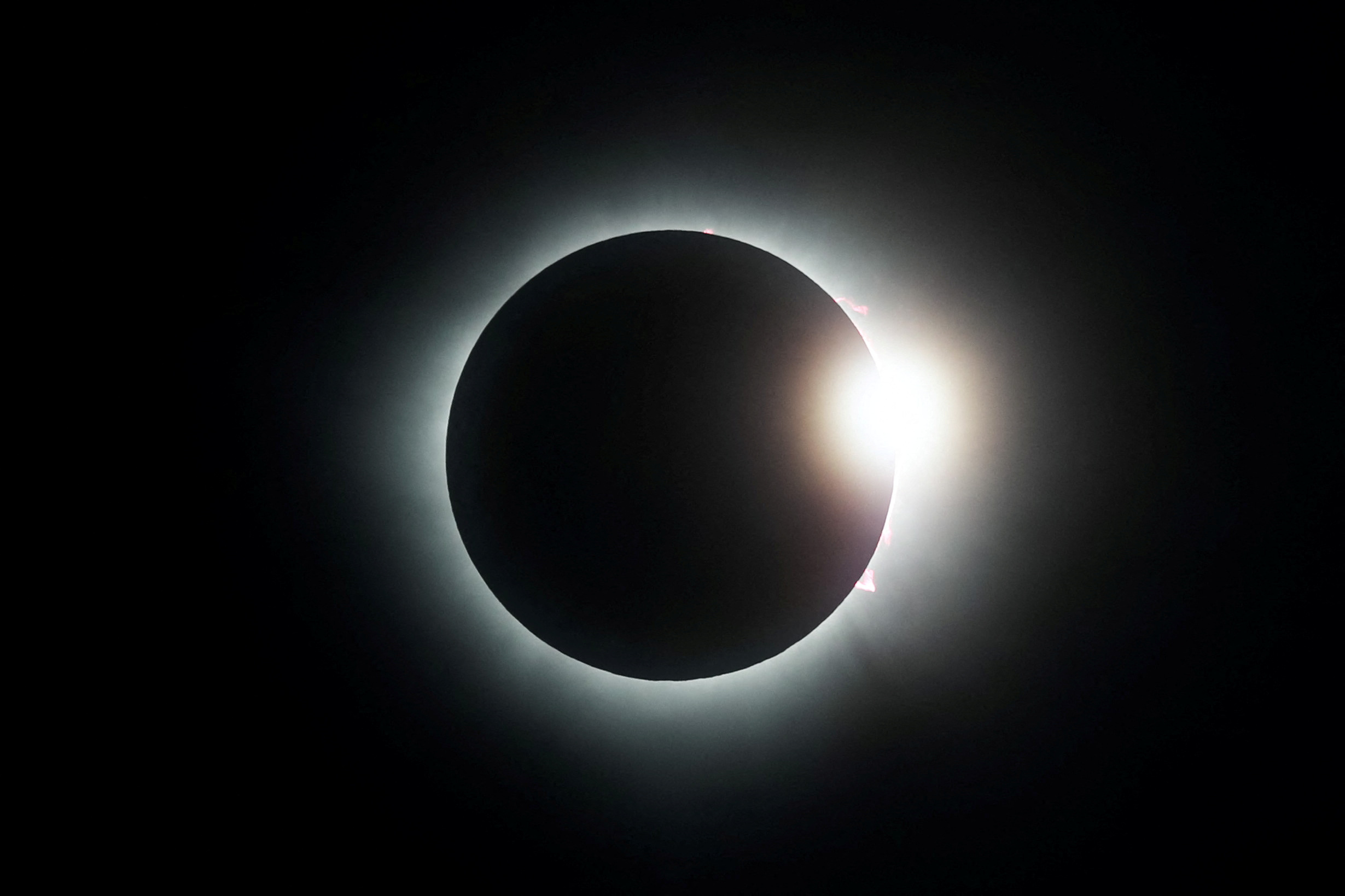
A solar eclipse will be visible from parts of the world on August 12, 2026, as the moon passes between Earth and the sun and briefly blocks its disk. The total phase will be best seen in Greenland, Iceland and Spain, while a partial eclipse will be visible in other countries, including several regions of Russia.
A solar eclipse happens when the moon lines up exactly between Earth and the sun. Because the moon's orbit is tilted about 5 degrees relative to Earth's, eclipses occur only two to five times a year on average, and total eclipses happen roughly once every year and a half. They repeat according to the Saros cycle every 18 years. The August 12, 2026 eclipse belongs to Saros cycle 126, the same cycle as the August 1, 2008 eclipse seen in Novosibirsk. The next eclipse in that series is expected on August 23, 2044.
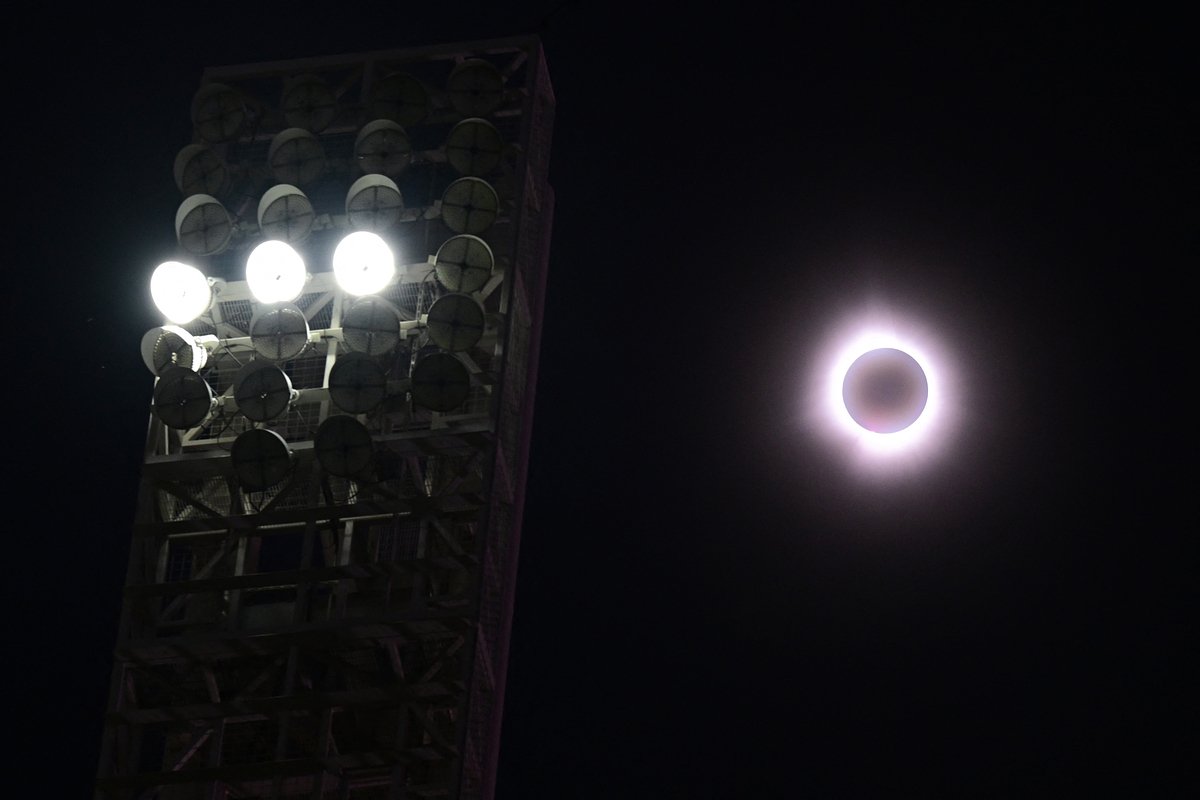
This eclipse will coincide with the peak of the Perseid meteor shower and a planetary parade, meaning several astronomical events will be visible on the same evening.
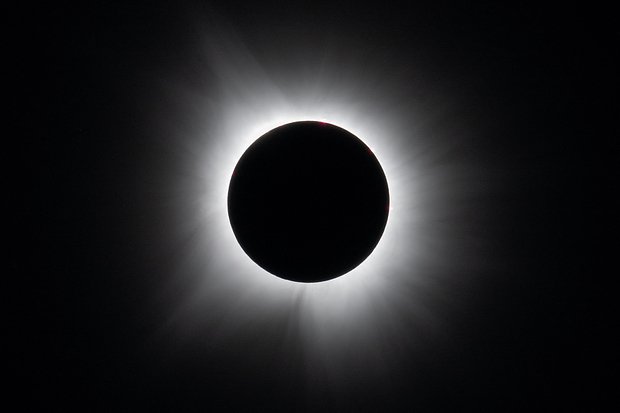
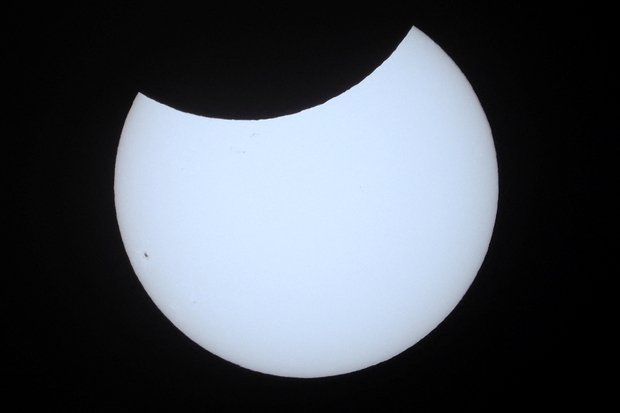
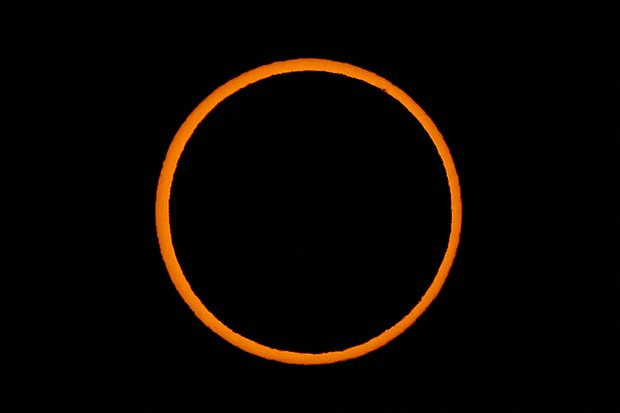
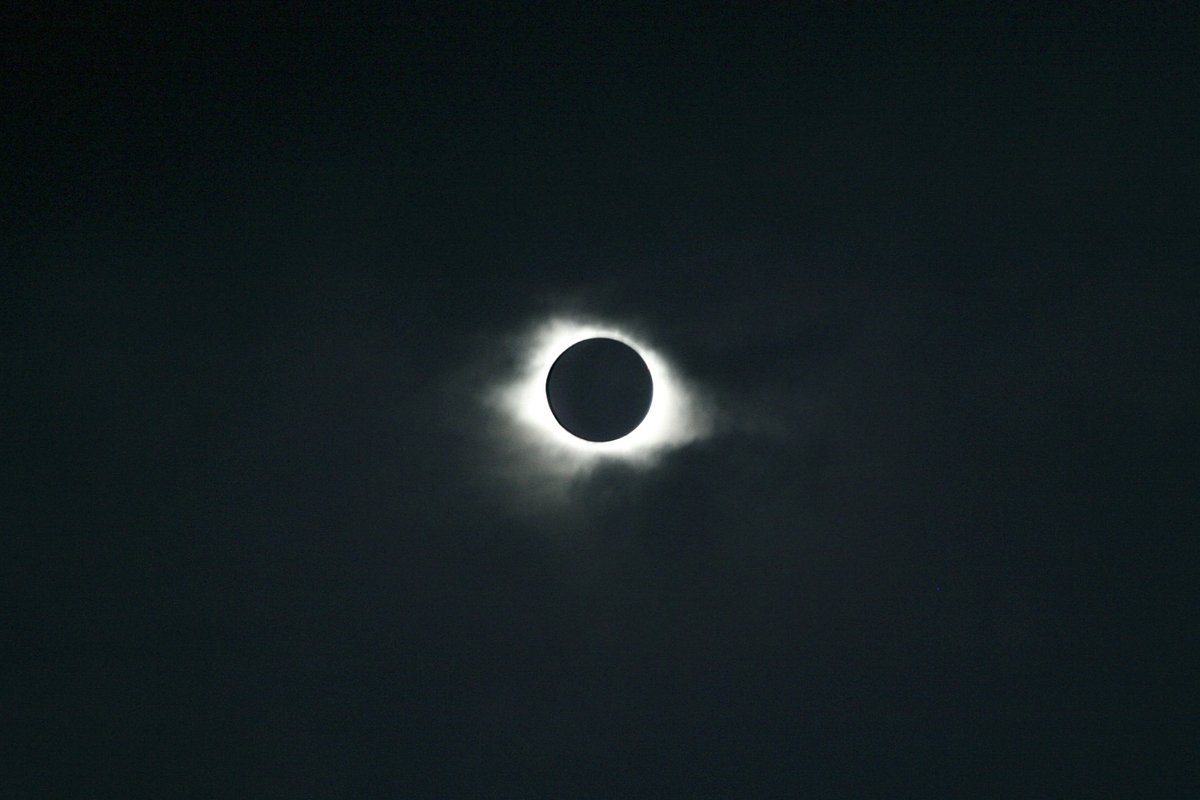
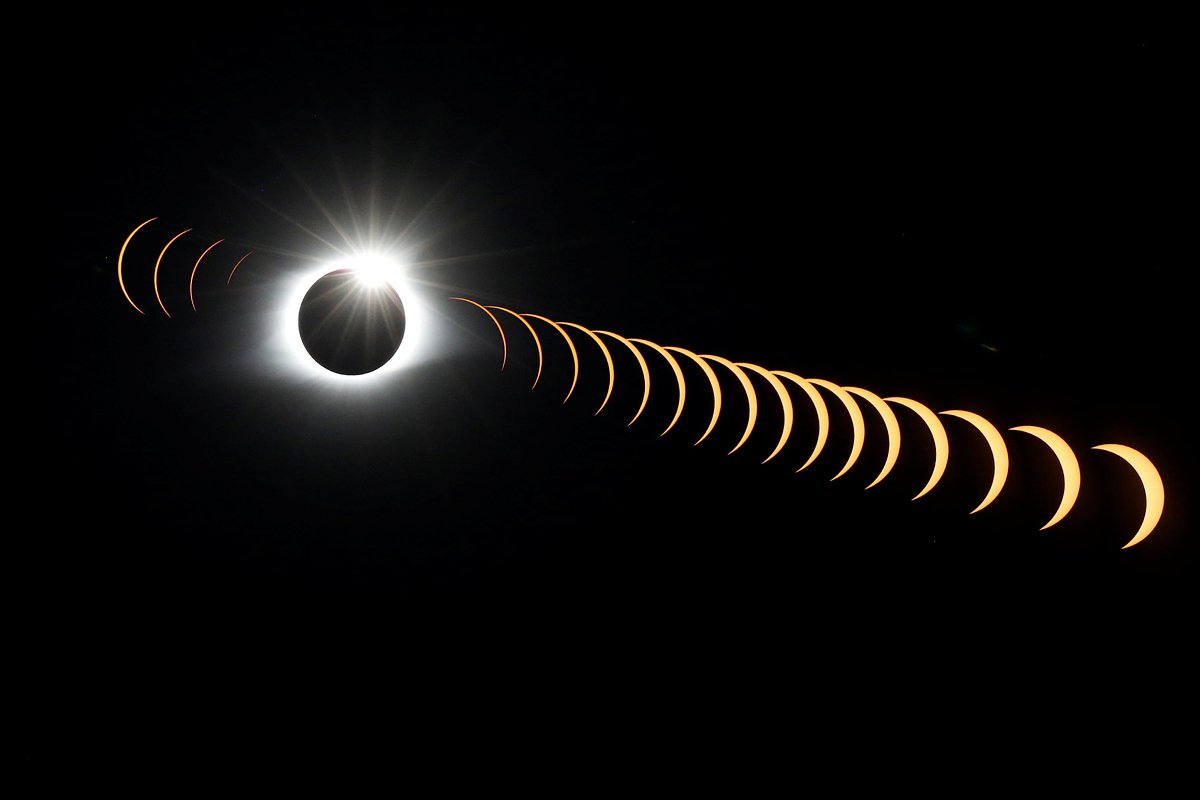
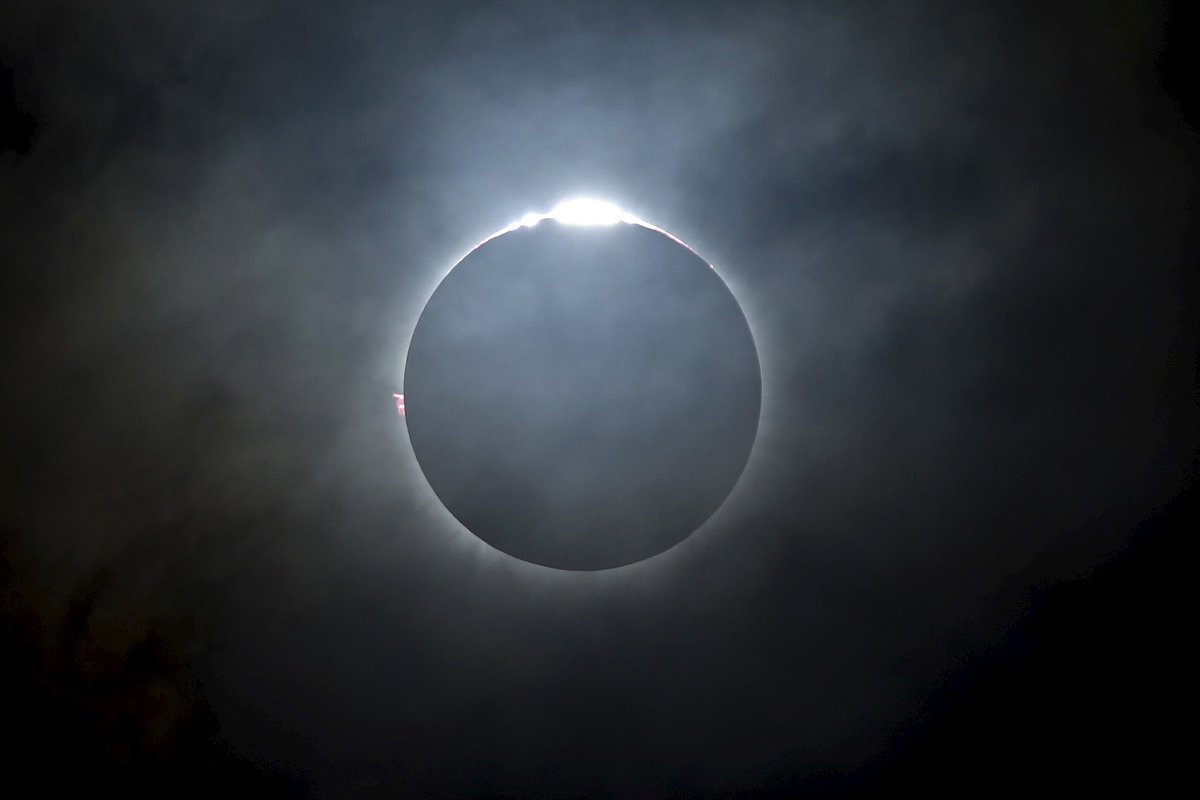
There are three types of solar eclipses. A total eclipse happens when the moon is at its closest point to Earth in its orbit, fully covering the sun and briefly darkening the sky enough to reveal the solar corona, visible only within a narrow band of the moon's shadow. A partial eclipse occurs when the moon is at the farthest point in its orbit and covers only part of the sun's disk, visible over a much wider area for several hours. An annular eclipse happens when the moon is too far from Earth to fully cover the sun, leaving a bright ring around the dark disk.
Where to see it in Russia
The total phase will be visible in Russia only in the northeast of the Taymyr Peninsula, near the Prончищева coast, though the sun will sit too low there to actually be seen. Partial phases will be visible across European Russia. In Moscow, the eclipse will pass almost unnoticed. The best visibility is expected in Murmansk, Arkhangelsk, St. Petersburg, Petrozavodsk, Pskov and Kaliningrad, where the moon will cover roughly 79 to 81 percent of the sun's disk.
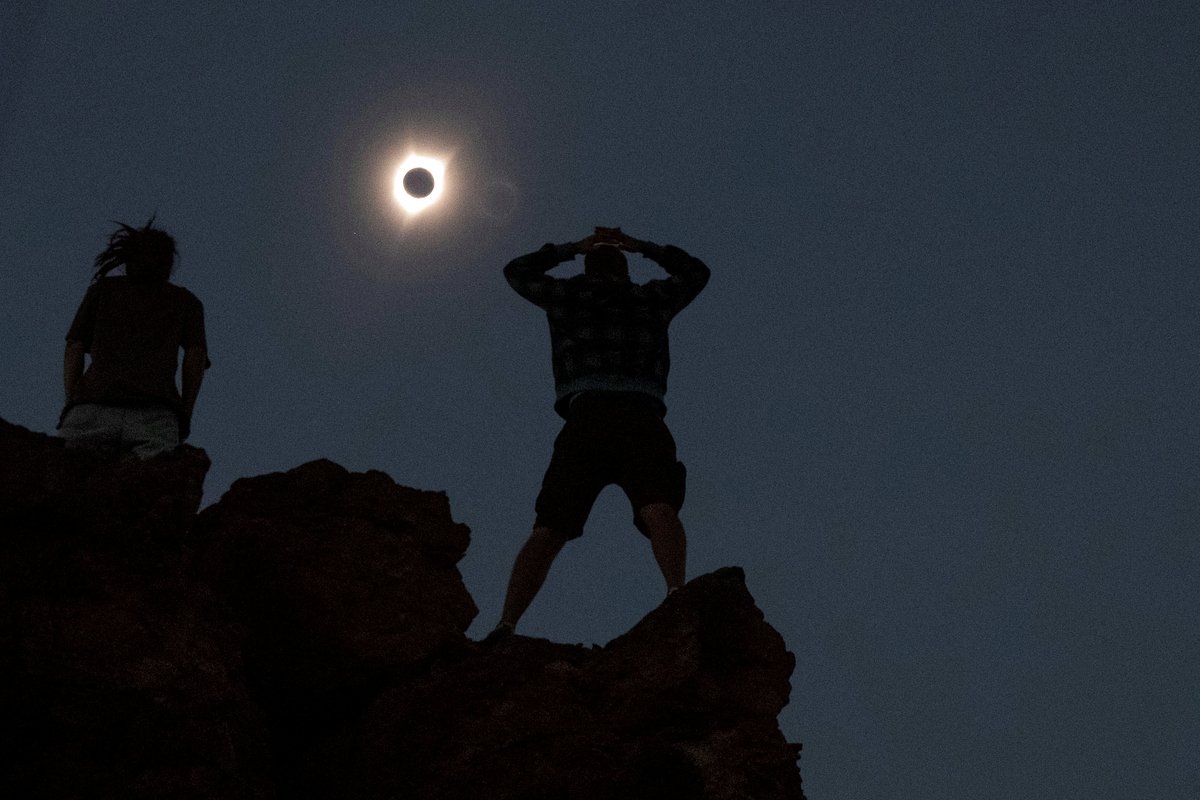
The next total solar eclipse visible from Russian territory will occur on March 30, 2033, over Chukotka, followed by another in April 2043 between Kamchatka and Chukotka. The total phase of the August 12 eclipse itself will only be observable from Greenland, Iceland and northern Spain.
Eclipse timeline
The eclipse will last more than four hours, beginning at 18:34 Moscow time and ending at 22:58. The partial phase starts at 18:34, the total phase, or peak, begins at 20:46 and lasts 2 minutes 18 seconds, and the eclipse ends at 22:58.
Why eclipses happen
For a solar eclipse to occur, several factors must align at once: there must be a new moon, the moon must cross the plane of Earth's orbit, and it must be close enough to Earth. The apparent match in size between the sun and moon is temporary, since the moon is drifting away from Earth at about 3.8 centimeters a year. In a few hundred million years it will become too small for total eclipses, leaving only annular ones. During a total eclipse, the moon's shadow falls on Earth in a narrow band up to 270 kilometers wide, moving west to east at about one kilometer per second, which is why the total phase lasts only a few minutes at any single location.
How to watch safely
Looking directly at the sun without protection can seriously damage the retina, and the damage can occur without any pain at the time. Even when the sun's disk is partly covered, the light reaching the retina remains strong enough to cause a thermal injury, a condition known as solar retinopathy that is barely treatable. Early symptoms include blurred vision and dark spots, and severe cases can lead to complete blindness.
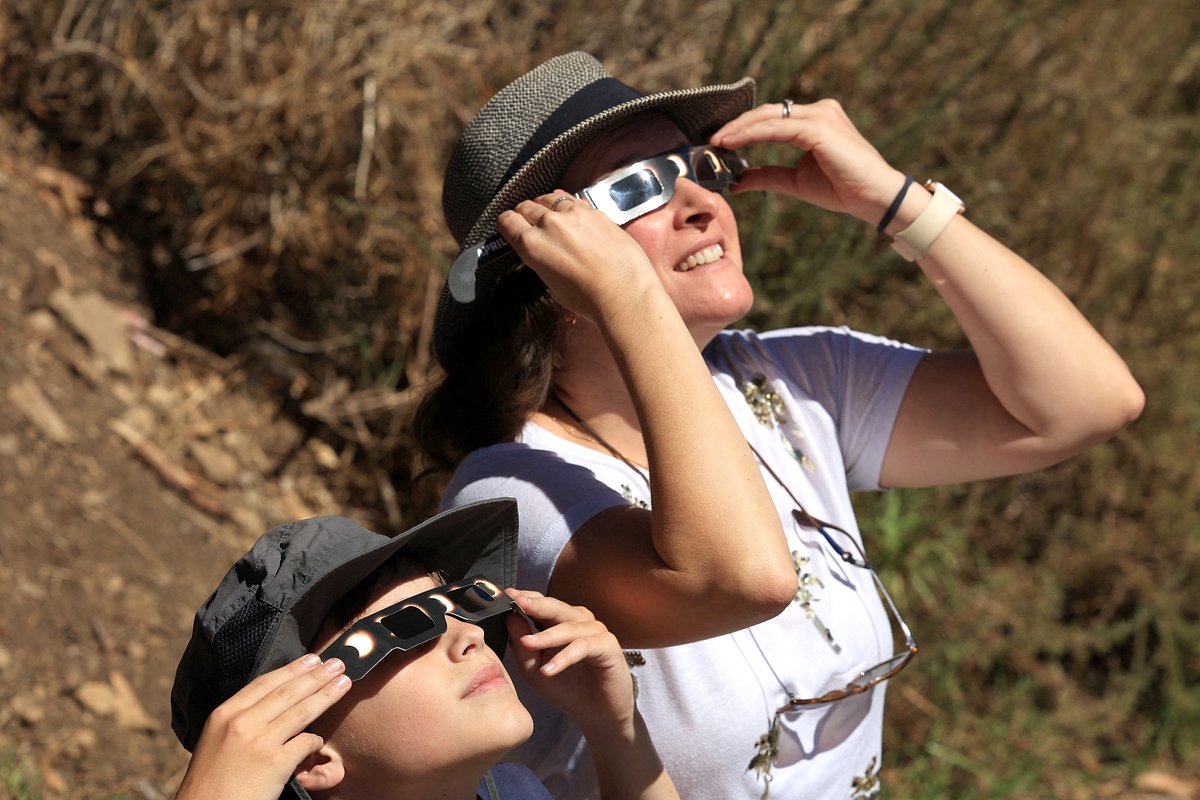
The only safe way to watch is through certified solar glasses with filters meeting the ISO 12312-2 standard, or a welding mask with a protection level of 14 or higher. Ordinary sunglasses do not protect the eyes during an eclipse, since they darken the image but still let ultraviolet and infrared radiation through, creating a false sense of safety.
Viewers should check their glasses for scratches, cracks or gaps in the filter before use, since any damage makes them unsafe. Observers should never look at the sun without a filter even briefly, and when using glasses should look away from the sun before putting them on or taking them off. Anyone watching through a telescope or binoculars must fit a special solar filter over the lens to protect their eyes.
Effects on people
Nathan Eismont, a leading researcher at the Space Research Institute of the Russian Academy of Sciences, said solar eclipses, regardless of their phase, have no real effect on events in people's lives or on processes on Earth. He said that while ancient peoples explained the "night in daytime" through mystical causes, the mechanics of eclipses are now fully understood, and there is no scientific evidence they influence biological or social processes. Eismont said an eclipse can still have a psychological effect and provoke an emotional response, particularly in impressionable people, because the sudden darkening of the sky disrupts the normal course of the day.
Next eclipse
The next significant solar eclipse after August 12, 2026 will take place on August 2, 2027. That total eclipse has already been given the unofficial name the "eclipse of the century."
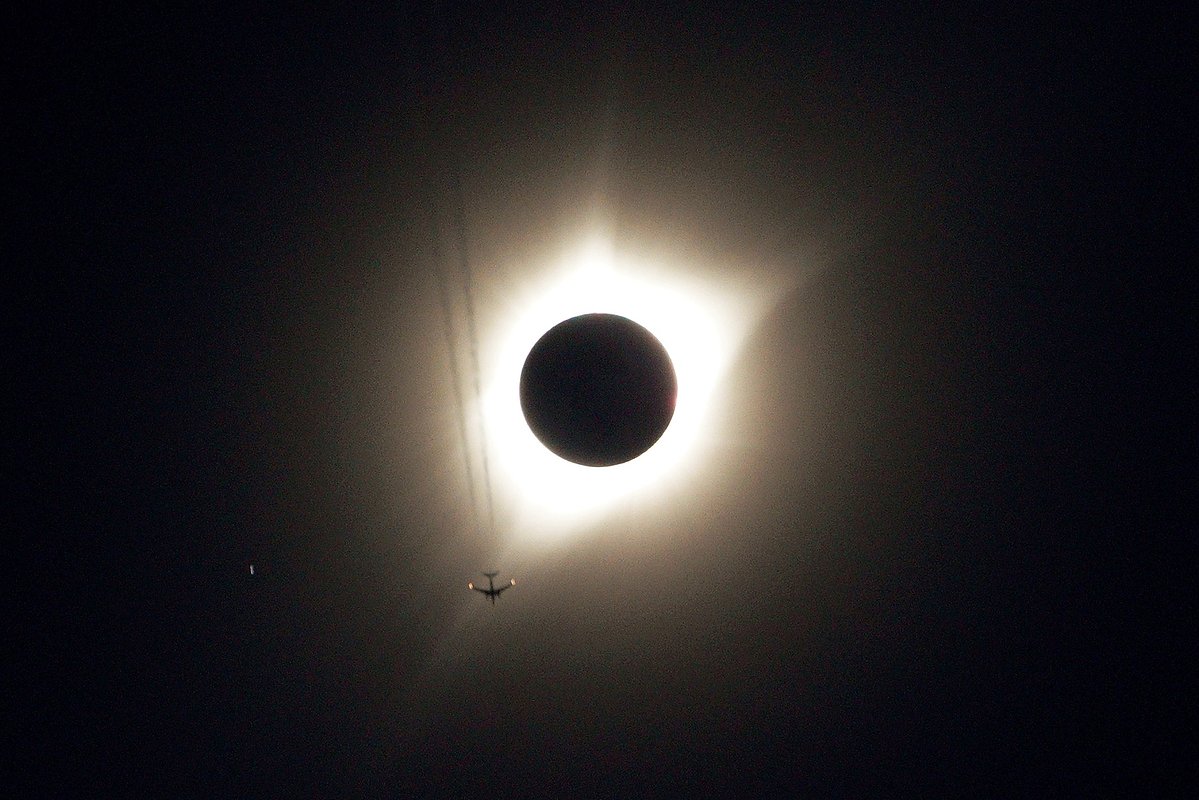
Its total phase will be record-breaking, lasting 6 minutes 22 seconds over the Egyptian city of Luxor, making it the longest total eclipse over land between 1991 and 2114. The path of totality will cross southern Spain, North Africa, including Morocco, Algeria, Tunisia, Libya and Egypt, as well as Saudi Arabia and Yemen. The partial phase will be visible across most of Europe, many African countries, the Middle East and Southeast Asia.