A ZDNet expert evaluated six common smartphone charging recommendations against official instructions from Apple, Google, and Samsung. The testing found that several widespread practices are outdated and could potentially shorten battery lifespan. Many of these habits originated during the era of nickel-cadmium and nickel-metal hydride batteries, whereas modern devices rely on lithium-ion technology.
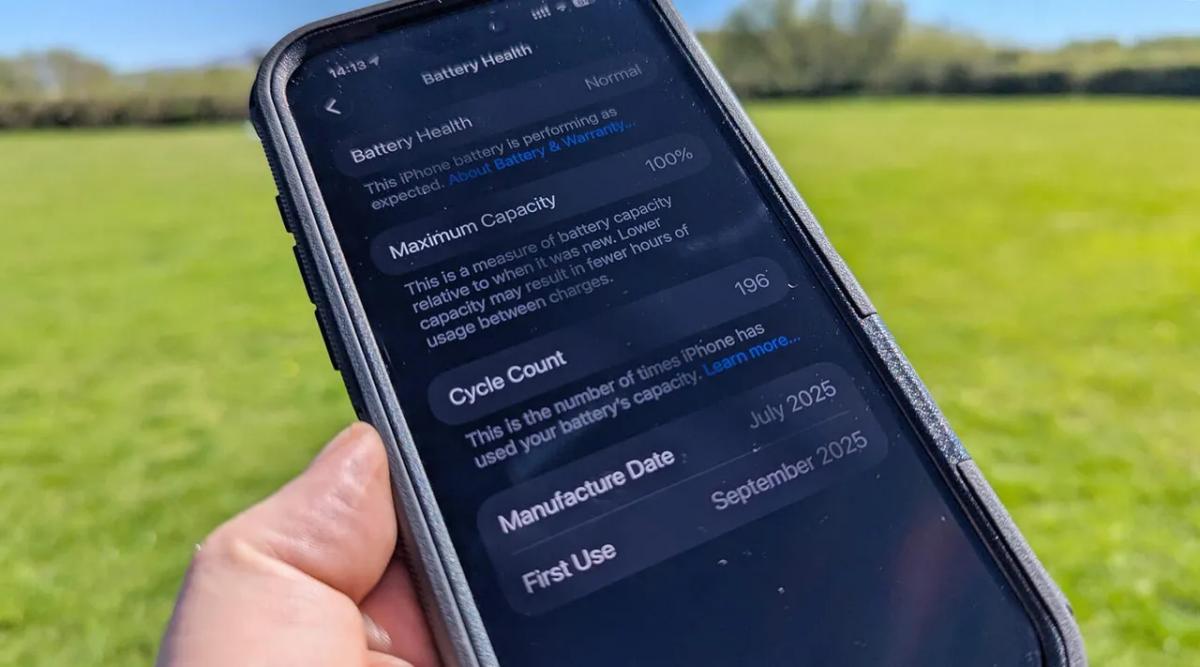
According to the expert, constantly charging a smartphone to 100 percent is unnecessary and puts extra strain on lithium-ion batteries. Manufacturers have introduced features to manage this limit, such as optimized battery charging on iPhones and 80 percent charge limits on many Android devices. Keeping the battery below full charge continuously helps extend its operational life.
The habit of intentionally draining a phone battery to zero percent to calibrate it is also unnecessary. Older nickel batteries suffered from a memory effect caused by partial charging cycles, but modern lithium-ion batteries do not have this problem.
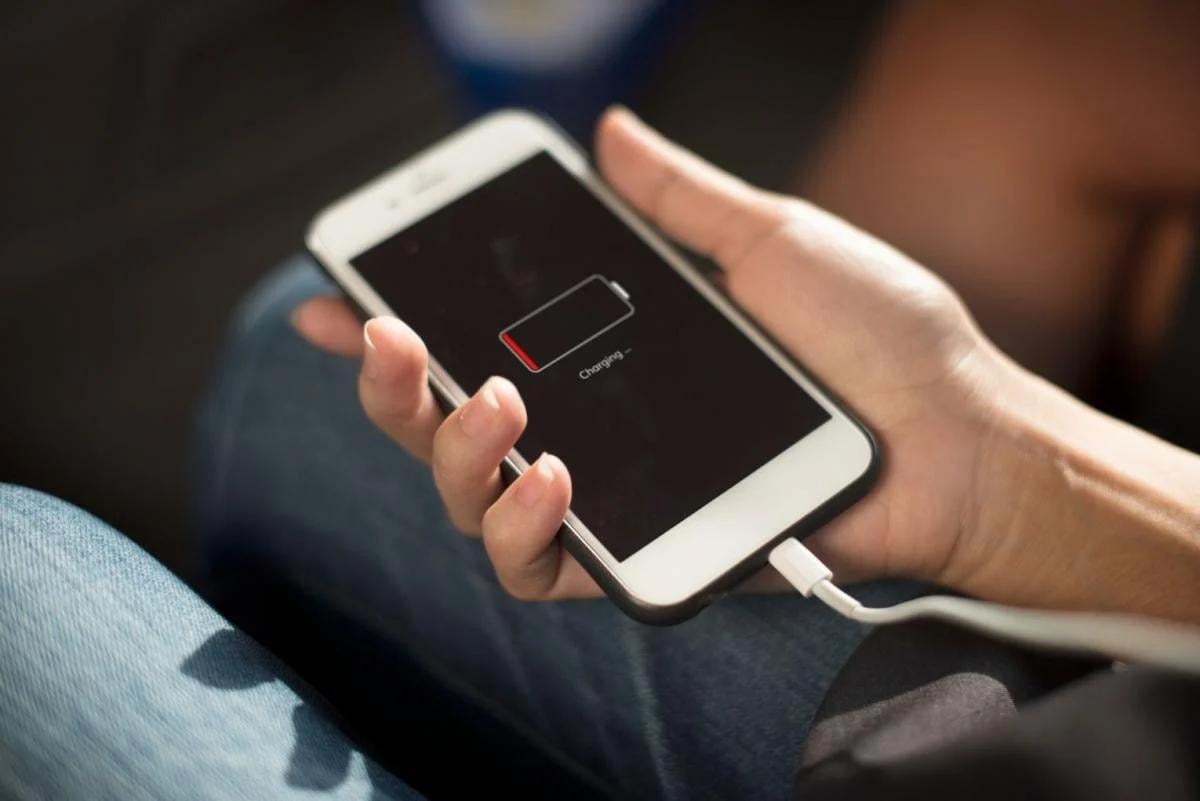
Google stated that a smartphone does not need a full cycle from 100 percent to zero percent for the operating system to determine real battery capacity. Experts recommend maintaining charge levels between 20 percent and 80 percent rather than allowing regular complete discharges.
Overnight Charging and Temperature Control
Leaving a phone connected to a charger overnight is safe regarding classic overcharging. Modern smartphones and chargers contain controllers that automatically shut off power once the battery reaches 100 percent. Samsung stated that its batteries face no risk of overcharging when left plugged in overnight.
However, charging at high temperatures accelerates battery degradation. The specialist warned against placing phones under pillows, blankets, or other heat-trapping materials while charging overnight. Charging in extreme thermal conditions can permanently damage battery health.
Lithium-ion batteries tolerate temperature extremes poorly, particularly during charging. At temperatures below 0 degrees Celsius, chemical processes can deposit metallic lithium on the anode, permanently degrading performance and safety. High heat poses similar risks because the charging process itself generates thermal energy.
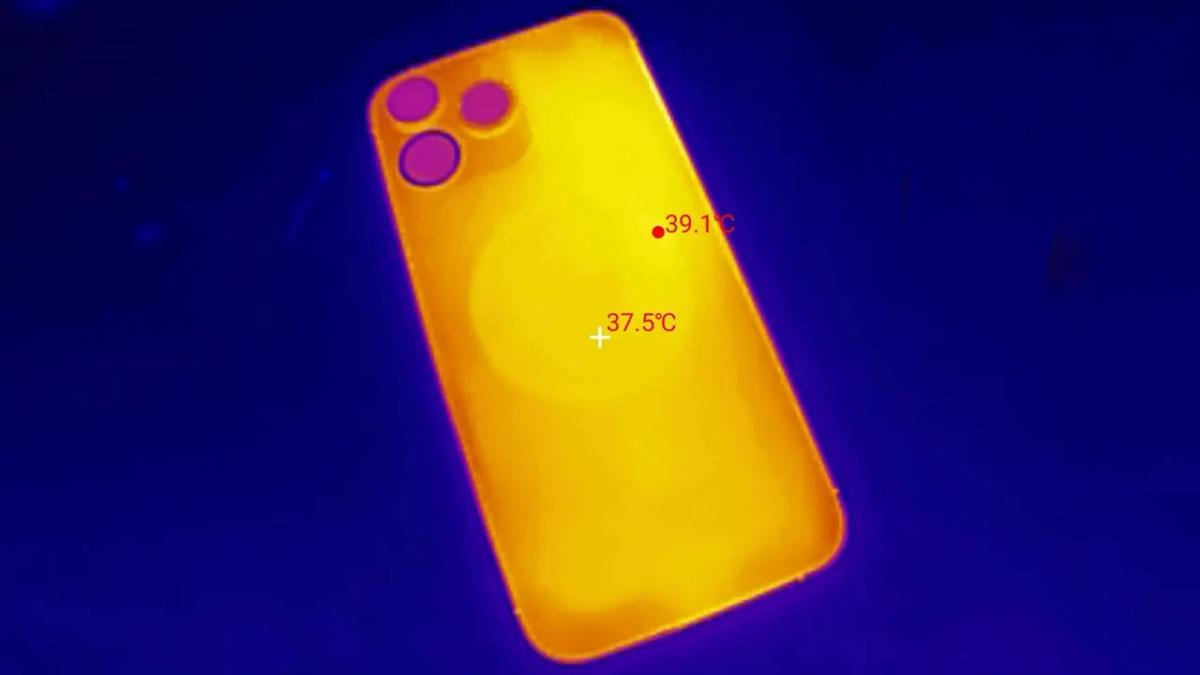
Apple and Samsung both recommend a charging temperature range between 0 and 35 degrees Celsius. Users should avoid leaving phones to charge on car dashboards in direct sunlight or under bedding. If a device becomes hot while charging, removing its protective case will help it cool down.
Device Usage and Charger Selection
Using a smartphone while it is plugged into a charger is safe despite widespread internet claims. Samsung stated that Galaxy smartphones and tablets can be used safely while connected to a power supply. The primary downside is that charging takes longer when running demanding apps.
Activities such as streaming video, gaming, and web browsing increase processor load and generate additional heat. Devices may automatically slow down charging speeds to prevent overheating. Answering text messages or reading news while charging is safe, but heavy gaming during fast charging is not recommended.
Third-party chargers do not need to carry a smartphone brand logo to operate safely, provided they meet quality standards. Samsung recommends using original or certified compatible accessories. Google warned that uncertified chargers may function slowly, fail completely, or damage the phone and battery.
Apple allows third-party power adapters and cables that comply with safety regulations and industry standards. High-quality chargers negotiate voltage and current properly with the device. Cheap uncertified models can output incorrect power parameters, operate unstably, or generate excess heat.
Best Practices for Battery Longevity
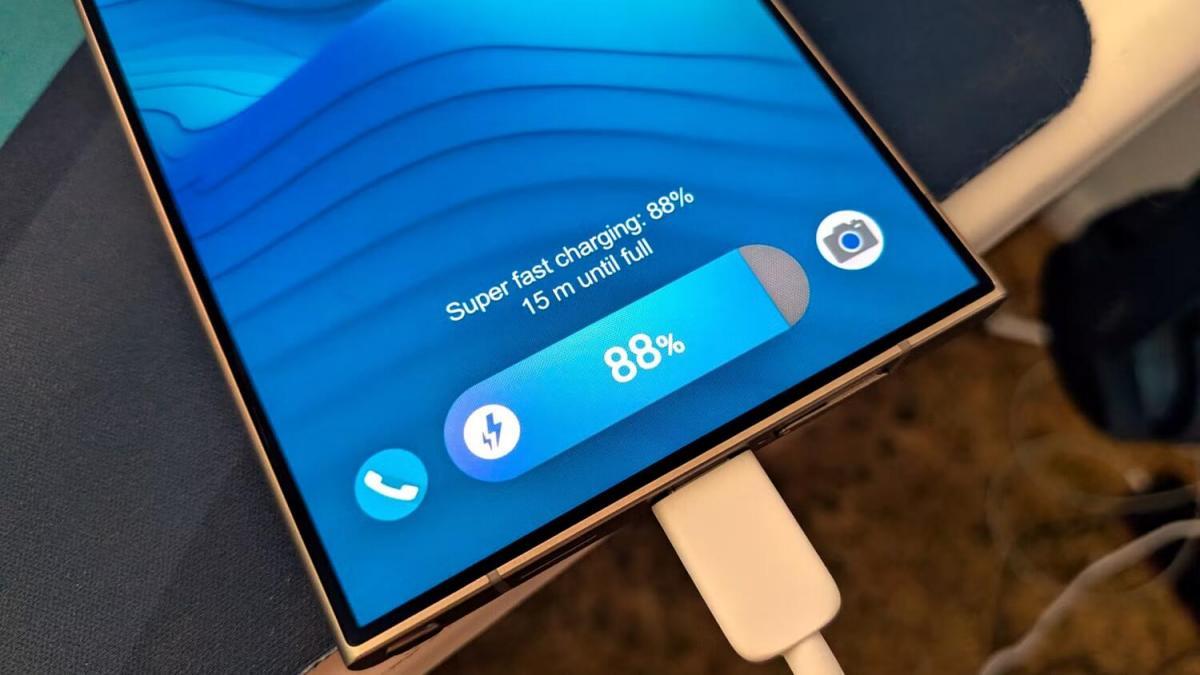
Most common charging guidelines are relics from older battery technologies. Modern lithium-ion batteries do not require full discharges to zero percent or mandatory top-ups to 100 percent.
To preserve battery capacity over time, users should avoid extreme temperatures, prevent batteries from remaining constantly at 100 percent, and select certified charging accessories. Overnight charging and light phone use while plugged in remain safe as long as heat buildup is avoided.