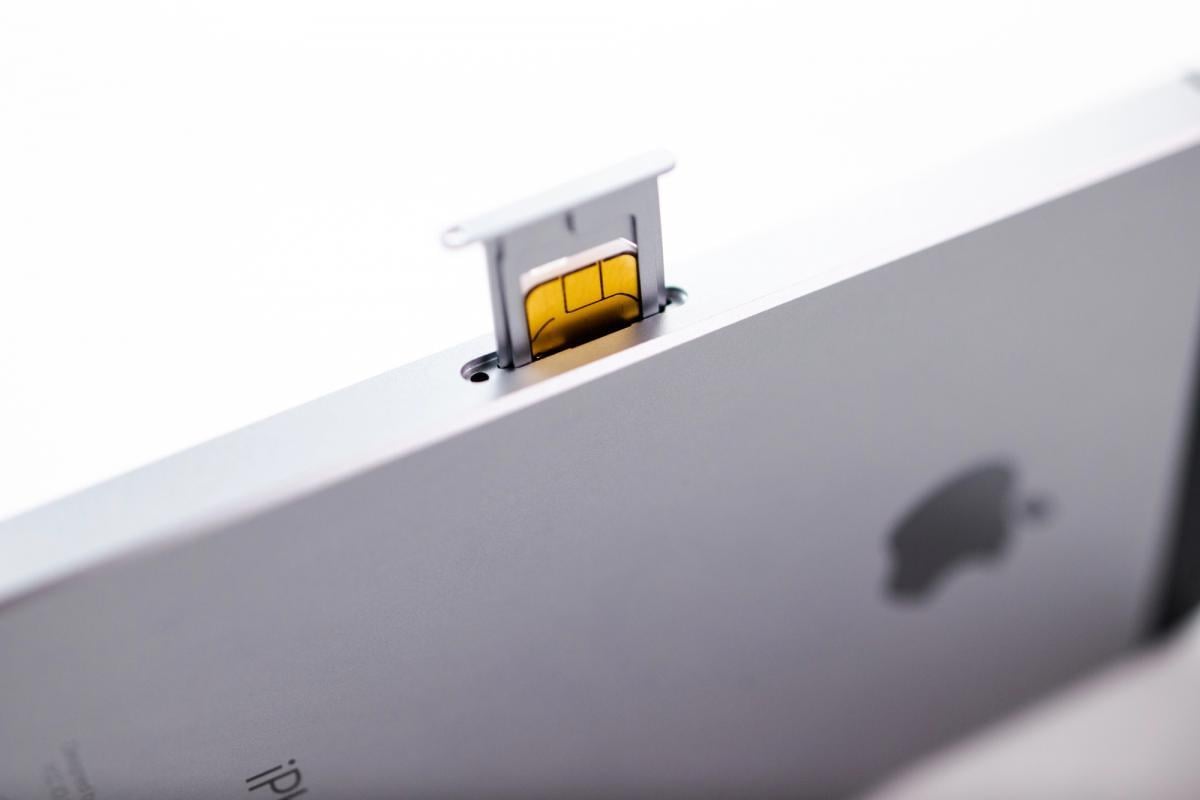
The common SIM card found inside mobile phones stands for Subscriber Identity Module, operating as a standalone computer that authenticates users on cellular networks, technology publication SlashGear reported.
While most users rarely think about the card except when inserting or removing it, the module serves as the primary gateway to mobile services. Without a SIM card, a smartphone functions as a portable media device for internet browsing or gaming, but the card transforms it into a phone capable of making calls and sending text messages.
Inside the hardware, the card operates independently from the handset itself. It contains its own processor, a small operating system, and secure storage designed to hold the subscriber identifier and authentication keys required for network access.
Cryptographic Identity Verification

When a smartphone connects to a cellular network, it acts as a digital identity card capable of performing cryptographic calculations to prove the subscriber holds a valid account.
The card stores a unique subscriber identifier alongside a secret cryptographic key. When connecting, the mobile network transmits a challenge request to the device, prompting the SIM card to process the data with its secret key and return the mathematical result.
If the returned value matches network expectations, the operator receives mathematical confirmation of the card authenticity. Modern 4G and 5G networks employ more complex variations of this authentication sequence, though the fundamental principle remains identical.
Once authenticated, the network connects the device to the user profile, which governs tariff details, voicemail settings, roaming permissions, and mobile data allowances. All of this occurs automatically in the background whenever a user makes a call or sends a text message.
The primary tasks of the card are to securely store credentials, verify user identity, and generate security keys. In addition, many cards support SIM Toolkit technology, enabling operators to deliver extra services such as banking features, weather updates, and information alerts directly to the device.
Shrinking Form Factors and eSIM Transition
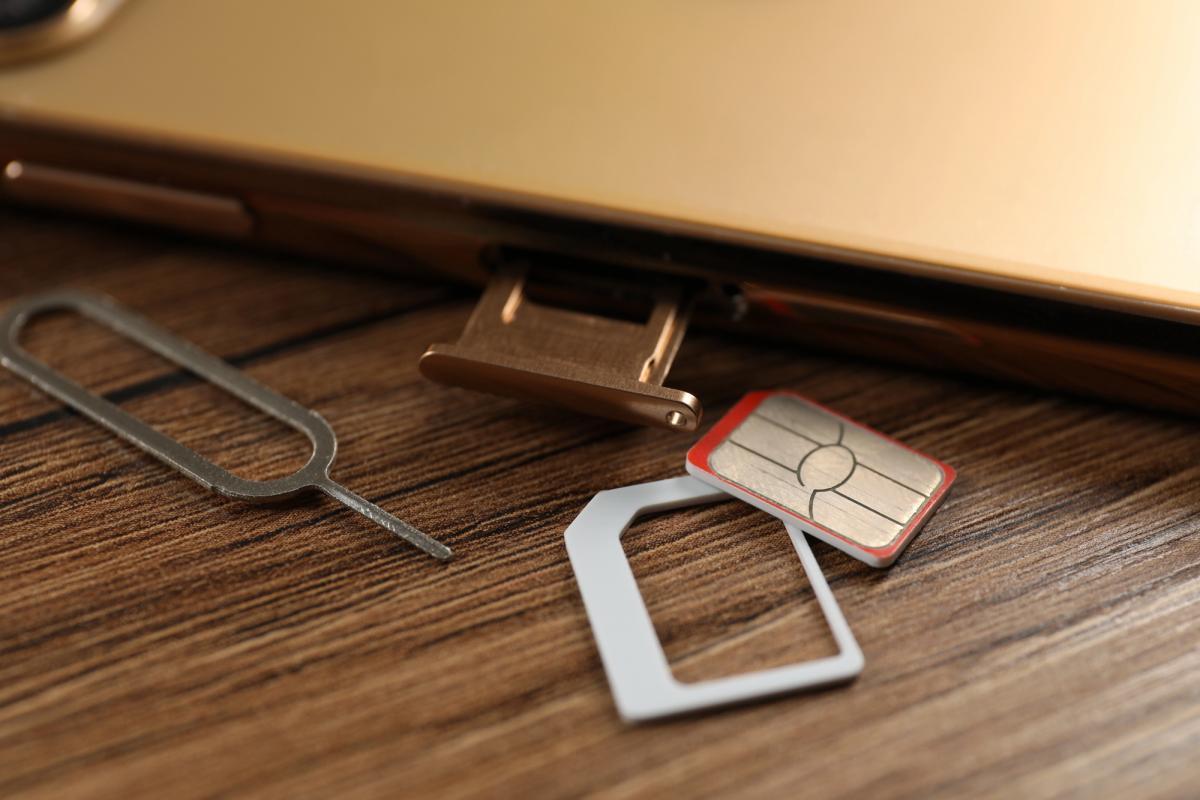
A primary advantage of SIM technology is that it decouples a mobile subscription from specific telephone hardware. Moving the card to a new handset transfers the user phone number, rate plan, and network access automatically.
When SIM cards were introduced in the early 1990s, they represented a major breakthrough over legacy systems that locked subscriptions to individual devices. The earliest SIM cards matched the dimensions of a standard credit card before shrinking through Mini SIM, Micro SIM, and Nano SIM formats.
Modern mobile devices increasingly replace physical plastic with eSIM technology, an electronic smart module embedded directly into the device circuit board. In the United States, current Apple iPhone models rely exclusively on eSIM, while Android manufacturers such as Samsung build devices supporting both physical cards and digital profiles.
Embedded SIMs allow users to switch carriers remotely, activate plans instantly, and store multiple operator profiles on a single device. However, moving an eSIM to a new phone can sometimes prove more complex than physically swapping a card.
For device manufacturers, removing the SIM tray frees internal space for other electronic components while making handsets easier to seal against water ingress. Beyond smartphones, the authentication technology is used in smartwatches, tablets, and connected vehicles.
Future Battery Designs and Resilient Cards
Industry reports suggest that upcoming Apple iPhone 18 Pro and iPhone 18 Pro Max models will drop the physical SIM slot entirely across global markets. The design change is intended to free up internal chassis space for a record large battery.
Meanwhile, major European telecommunications operators recently introduced rSIM, a new SIM card format engineered to switch between competing mobile networks instantly to maintain continuous connectivity during outages.