Peruvian writer Ruth Luque has condemned religious commentators for exploiting an Andean Pachamama ritual to stir an ideological culture war while ignoring abuse victims.
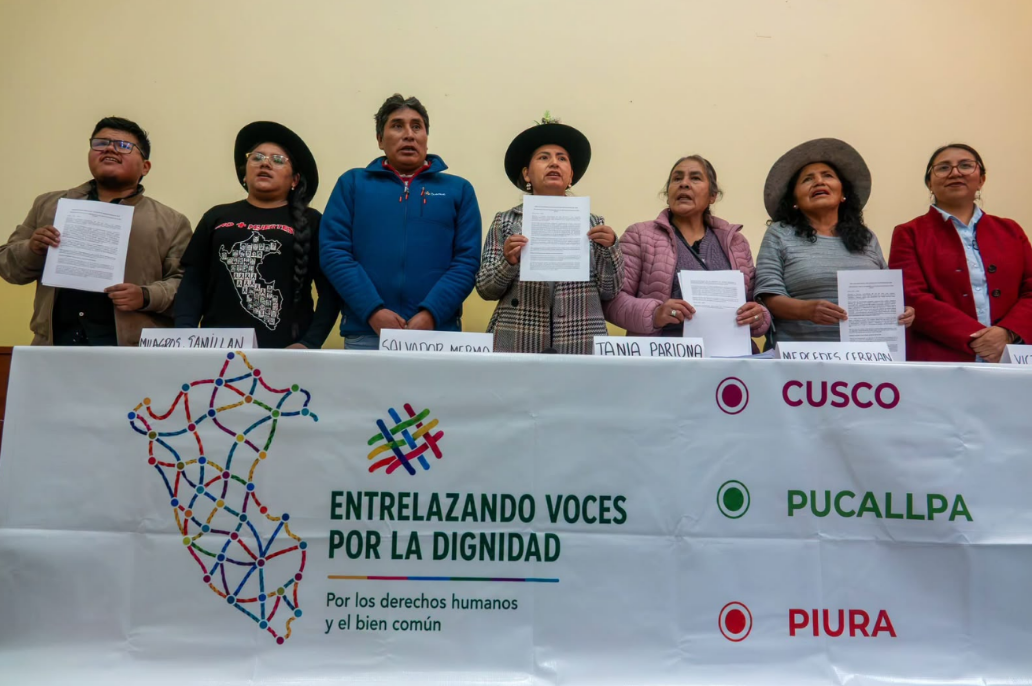
The controversy followed the Southern Macrorregional Meeting Entrelazando Voces por la Dignidad, held on August 13 and 14 in Cusco. Organized by the National Human Rights Coordinator in collaboration with CEAS-Peru, the gathering brought together representatives from various Andean Indigenous communities.
Participants gathered to address critical issues affecting Indigenous peoples in the southern Andean region, including racism, poverty, cultural discrimination, political repression, and environmental pollution. The forum also focused specifically on various forms of abuse and vulnerability suffered by Indigenous populations.
Prominent Catholic observers attended the conference, including Bishop Jordi Bertomeu, the Pontifical Commissioner tasked with the liquidation of the Sodalitium Christianae Vitae, alongside Bishop Lizardo Estrada, president of the Latin American Episcopal Council, and Bishop Miguel Angel Cadenas of Iquitos. Sodalitium is a Peru-founded religious society that has faced papal intervention following widespread reports of physical and sexual abuse, while the Episcopal Council serves as the governing body for Latin American Catholic bishops.
During the opening of the meeting, participants performed an introductory symbolic gesture linked to the Andean cultural tradition of Pachamama, the traditional reverence for Mother Earth. Luque stated that the ritual admits diverse interpretations and cannot automatically be dismissed as pagan worship. She noted that expressing gratitude for the land, community solidarity, and respect for creation are values shared by Christian tradition rather than exclusive to pagan worldviews.
Media reactions to the Andean ceremony
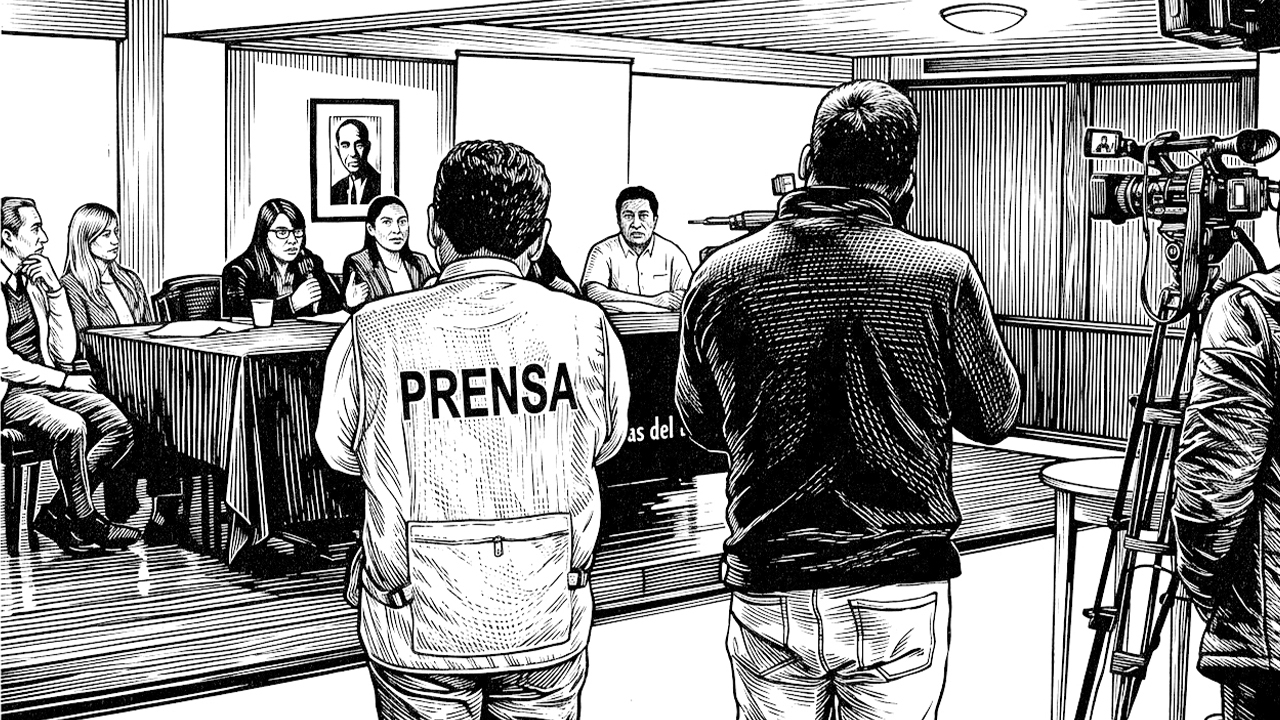
Despite the focus on Indigenous rights, conservative religious commentators focused their coverage almost entirely on the symbolic ceremony. Luque highlighted columnist Javier Tebas, writing for the publication Infovaticana, and Luciano Revoredo, writing for La Abeja, an outlet associated with the late Sodalite member Jurgen Daum Vetter.
Luque said both commentators had seized upon the Pachamama gesture as an attractive pretext to fuel their ongoing culture war surrounding the Catholic faith. She argued that defending faith should not be measured by how many people an author manages to scandalize, how quickly an enemy is identified, or how easily an image is turned into an accusation.
Comparing the commentators to a famous character in Peruvian literature, Luque evoked El Sinchi, the radio announcer from Mario Vargas Llosa's satirical novel Captain Pantoja and the Special Service. She explained that El Sinchi used his broadcast platform to manufacture moral outrage tailored against his personal enemies, scandalizing listeners while posing as a guardian of virtue. Luque suggested that modern religious opinion journalism exhibited a similar pattern of selective zeal and an inability to distinguish trivial matters from severe injustices.
Prioritizing abuse victims over controversy
Luque argued that elevating a symbolic gesture into a national scandal creates a damaging inversion of priorities. Headline coverage and column space are devoted to controversial symbols, while urgent demands for listening, reparation, and ongoing support for victims are pushed aside.
The central moral question, Luque stated, is whether public attention should focus on a debate over a symbolic photograph or on the real suffering of the people who prompted the meeting. She stressed that victims must not become secondary tools in ideological battles, called out only when useful for political points and ignored when no longer convenient.
Luque concluded that genuine Christian zeal requires distinguishing legitimate doctrinal concerns from manufactured media provocations. She asserted that the true scandal in Cusco was not the photograph, but the realization by abuse victims that their pain remains secondary to an ongoing ideological war.