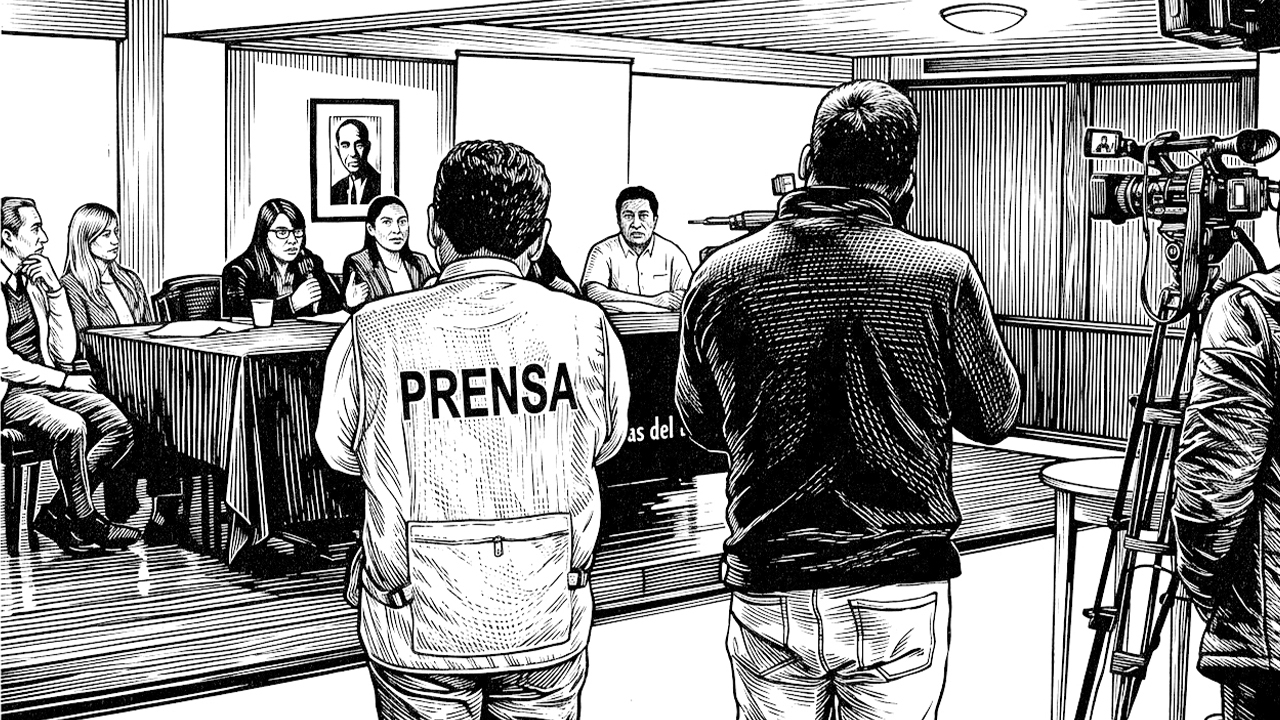
Peruvian lawmaker Aldo Bravo of the conservative Renovación Popular party has proposed criminalizing media coverage and opinion during political crises, introducing penal code amendments that carry prison sentences of four to six years.
The proposed legislation creates the offense of aggravated apology for a crime, targeting individuals who use news outlets or digital platforms to promote, request, justify, or legitimize violent conduct during political turmoil or social conflict. The bill explicitly identifies it as an aggravating factor if the person publishing the content is a journalist, communicator, opinion leader, or public figure with convening power.
Press freedom organizations in Peru have strongly criticized the ambiguous scope of the measure. The Peruvian Press Council questioned how a journalist could face criminal charges simply for reporting the location and date of a protest or detailing the motives of demonstration organizers.
The National Association of Journalists also warned that broadcasting statements from protest leaders or participants could expose reporters to severe prosecution if the bill becomes law.
Existing legal pressure on Peruvian journalists
Peru's current legal framework already includes statutory mechanisms to penalize incitement to commit a crime and defamation. However, media rights advocates emphasize that public officials have repeatedly deployed these existing laws as instruments of intimidation against investigative reporters uncovering high-level corruption.
Several prominent Peruvian investigative journalists have faced recent legal action under existing statutes. Investigative reporter Gustavo Gorriti, founder of the news outlet IDL-Reporteros, faces active bribery allegations that were reopened without new supporting evidence. Journalist Paola Ugaz faced legal prosecution following her investigations into financial irregularities and systemic abuse within the Catholic society Sodalicio de Vida Cristiana. Reporter Daniel Yovera was similarly reported to authorities after publishing investigations into police corruption.
Critics argue that Peru does not require additional criminal statutes to prosecute journalists, asserting that the proposed legislation merely expands the state apparatus used to silence critical reporting.
Dispute over official press support
The proposal has drawn controversy following endorsement from the dean of the Peruvian College of Journalists. In response, press advocates noted that official registration with professional colleges is not mandatory under international human rights jurisprudence established by the Inter-American Court of Human Rights, as well as multiple declarations by the Inter American Press Association.
Legislative review in congress
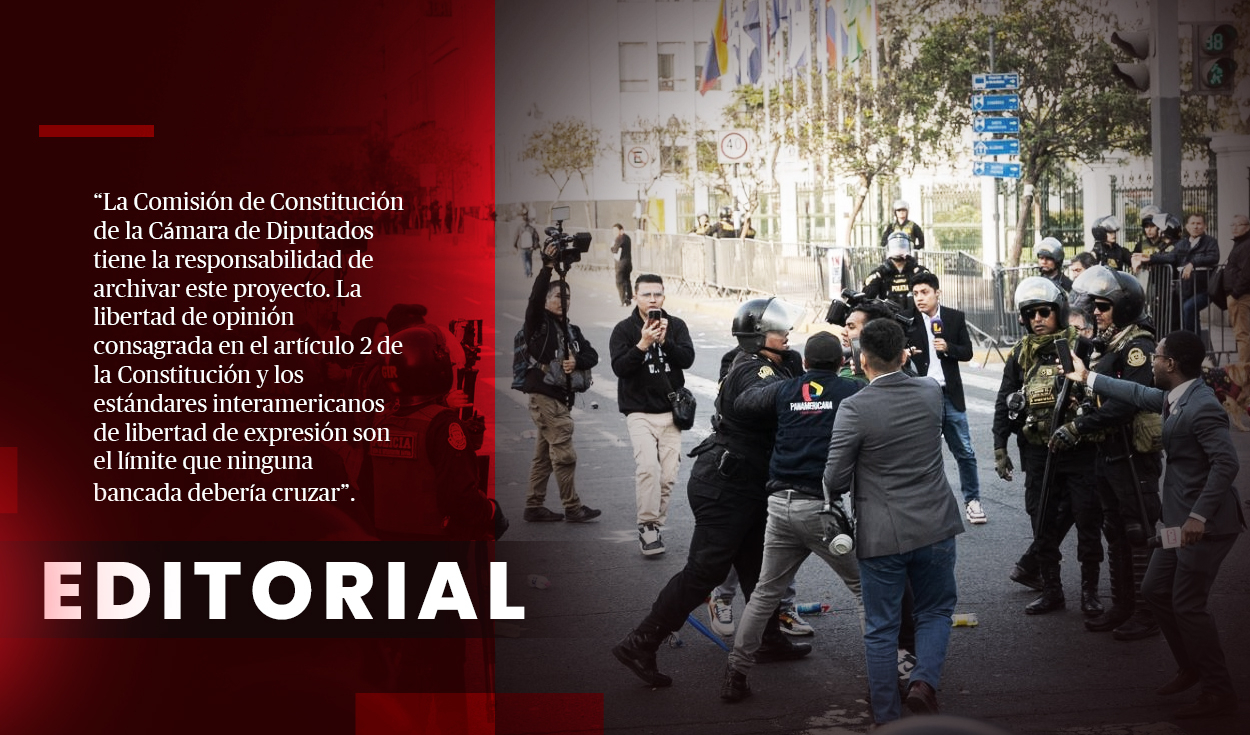
The bill now awaits review before the Constitution Committee of the Chamber of Deputies, which possesses the parliamentary authority to shelve the proposal. Press freedom advocates maintain that free expression rights protected under Article 2 of the Peruvian Constitution and regional Inter-American standards represent strict legal limits that lawmakers must not cross.