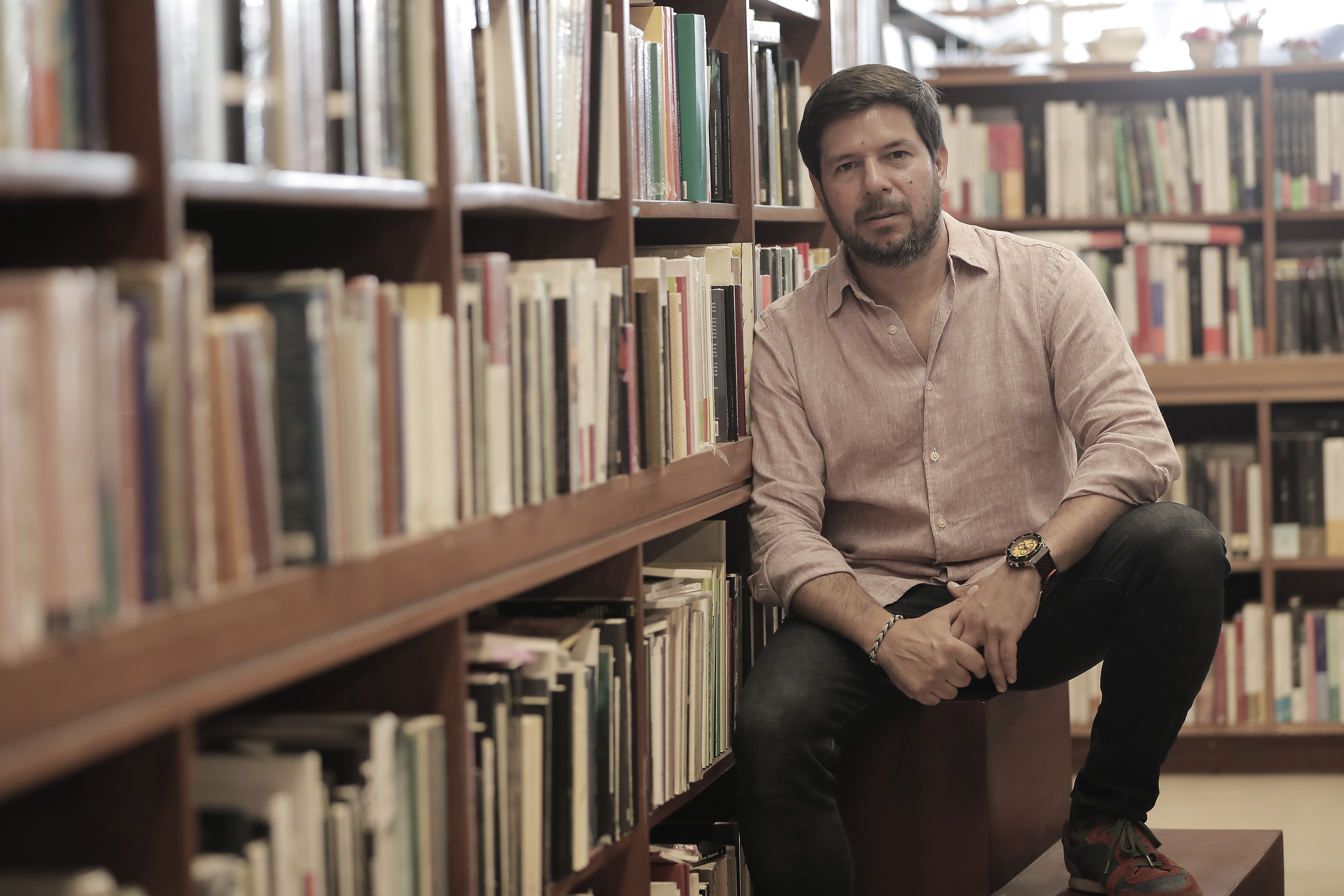
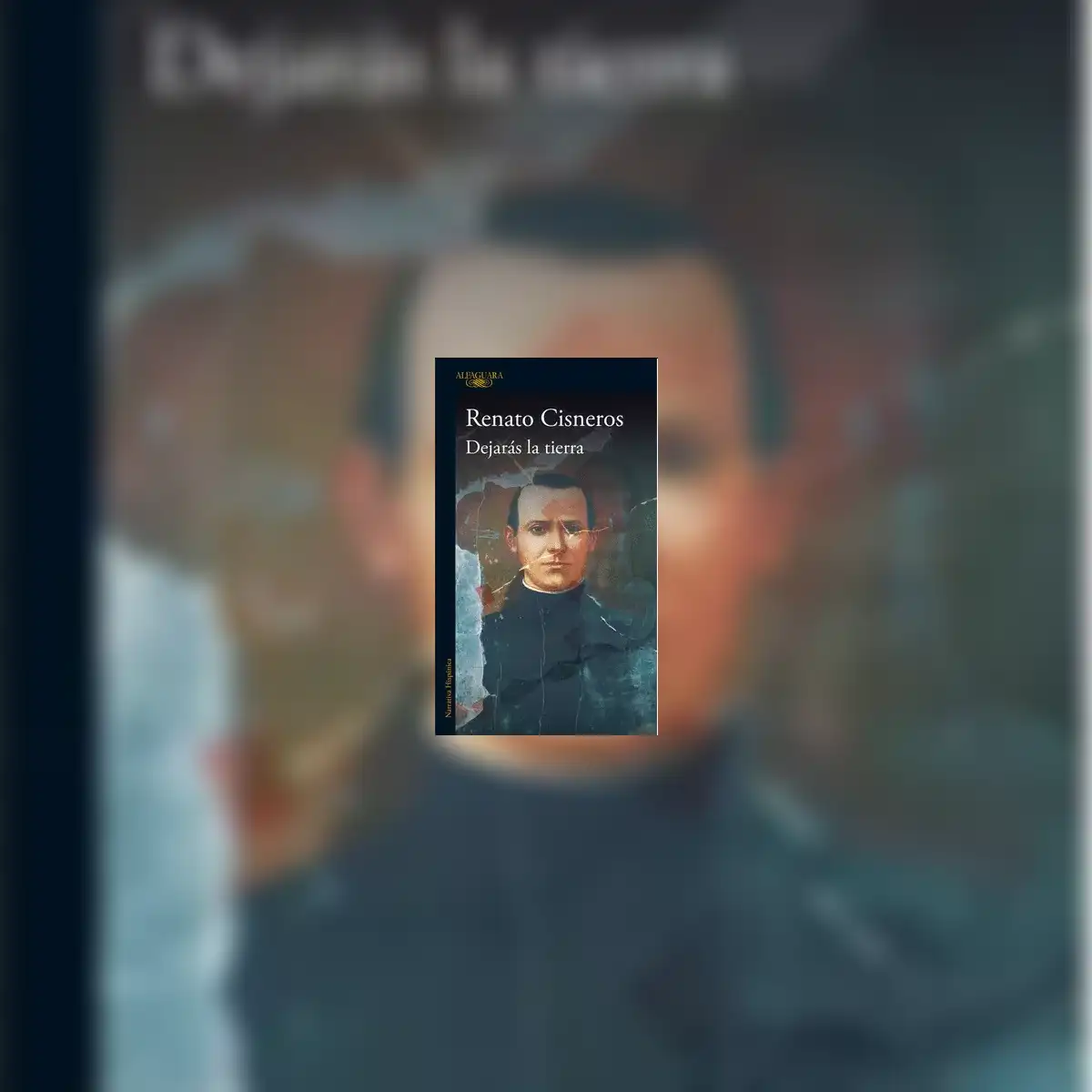
Peruvian writer Renato Cisneros has presented a new edition of his acclaimed historical novel Dejarás la tierra with international publishing house Alfaguara at the Lima International Book Fair in Peru.
The reissued book explores the hidden origins of the prominent Cisneros family, tracking secret affairs, social shame, and female resilience across Peruvian history from December 1820 to the present day.
The new edition follows the massive success of Cisneros's 2015 autobiographical novel La distancia que nos separa, which recounted the life of his father, General Luis Cisneros Vizquerra, a high-ranking military officer and politician. That book sold thousands of copies, dominated critical reviews, and initially overshadowed the 2017 debut of Dejarás la tierra when it was promoted as a prequel.
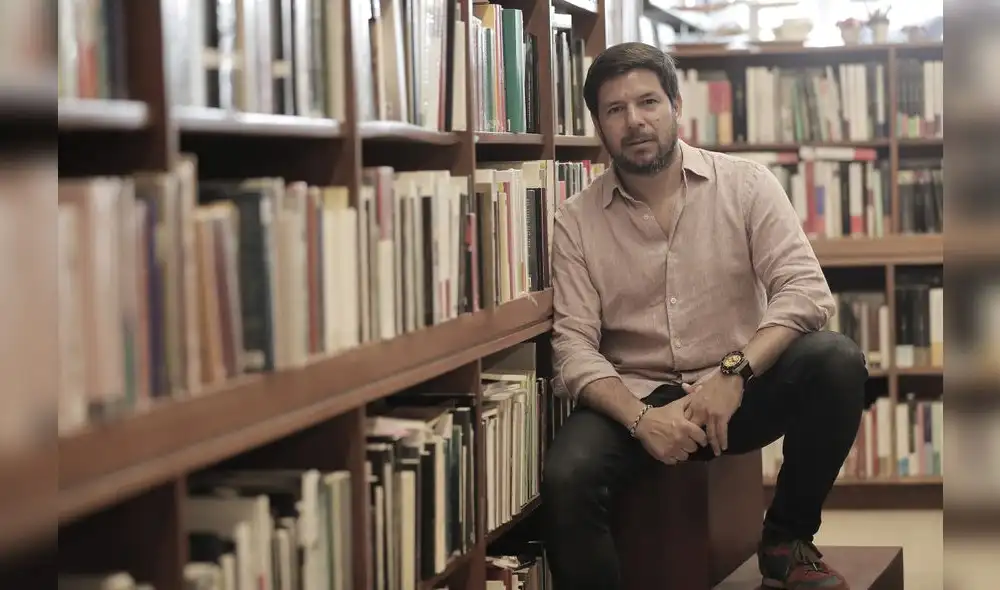
Despite the initial shadow cast by its predecessor, Dejarás la tierra built its own distinct reputation among readers and critics over subsequent years. The novel's republication by Alfaguara at the Lima International Book Fair, known locally as the FIL de Lima, marks its growth as an independent literary work.
Family Secrets and Historical Origins
The narrative of Dejarás la tierra opens in December 1820 during the Peruvian War of Independence, when Catholic priest Gregorio Cartagena first encountered Nicolasa Prieto. Cisneros explained that both novels were originally conceived as a single broad narrative project depicting 20th-century republican Peru through four sentimental family sagas.
The initial framework encompassed the life of the author's grandfather during the dictatorship of President Augusto B. Leguía, who governed Peru in the 1920s. It also included his great-grandfather's life during the 1879 War of the Pacific against Chile, during which his ancestor fathered three daughters with the mistress of former Peruvian president Ramón Castilla.
His editor, Jerónimo Pimentel, advised Cisneros to divide the sprawling project into separate books because the narrative about his father was closer to the author's own generation. Cisneros acknowledged that although accepting the advice was difficult at first, separating the projects proved correct because the two novels function much better as distinct works.
Social Prestige and the Desire to Transgress
Cisneros noted that as a child he admired the prominent male figures in his family who held influential positions in Peruvian public life, journalism, diplomacy, and culture. However, his drive to write the family history emerged after discovering that the family's public prestige was built upon a secret origin that relatives chose to conceal.
Cisneros stated that every storyteller harbors an uncontrollable desire to dynamite the place from which they originate. He explained that he wanted to dismantle the social standing attached to his surname by exposing the undisclosed events that formed its foundation.
The author emphasized that while the family's men carried out public roles and personal agendas, a dynamic group of women operated behind the scenes. Cisneros said these women were never made visible despite being equally or more decisive than the men in ensuring the family's survival and progress.
Cisneros described the culture of silence surrounding family secrets as a persistent social wound, comparing it to colonial-era attitudes where families avoid discussing the past to preserve public appearances. He added that the novel's focus on memory comes at a time when social and family memory is once again a subject of intense public debate in Peru.
Literary Tone and National Reconciliation
Reflecting on narrative technique, Cisneros cited a line from Argentine author Juan José Saer stating that every novel secretes its own theory. Cisneros explained that because Dejarás la tierra centers on melodramatic events and characters operating on the margins of legality, he adopted a language and tone that matches the passionate heart of the story.
Addressing whether Peru can achieve national reconciliation through individual stories, Cisneros argued that reconciliation will never occur through official government initiatives or state documents. He noted that while official publications like the final report of the Truth and Reconciliation Commission, known as the CVR, help spark public debate, reading them will not automatically reconcile citizens.
Cisneros explained that true reconciliation can only develop through individual inquiries conducted within specific families and social groups, though he noted widespread resistance to disrupting established social structures.
Drawing on a concept from Australian novelist Richard Flanagan that certain historical events continue to affect people indefinitely, Cisneros highlighted Peru's violent period between 1980 and 2000. He stated that this era of internal conflict, along with earlier historical wars, remains an ongoing reality that shapes contemporary Peruvian life.
Cisneros concluded that Peruvians must learn to live with the paradox of striving for reconciliation while acknowledging that conflict will always be part of national dynamics. He stressed that society must confront historical realities rather than denying past events or misrepresenting them.
The author also examined the role of desire across generations, challenging the notion that passion and eroticism are modern phenomena. Cisneros observed that past ancestors were driven not only by patriotic duty and nation-building but were also shaped by desire, adrenaline, and passion when making fundamental life decisions.