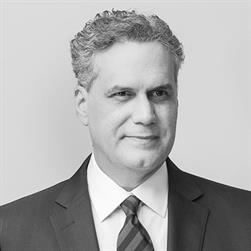
Guillermo Estrugo, vice president of the Interreligious Council of Peru, has called for national dialogue following a deeply divided electoral process in Peru.
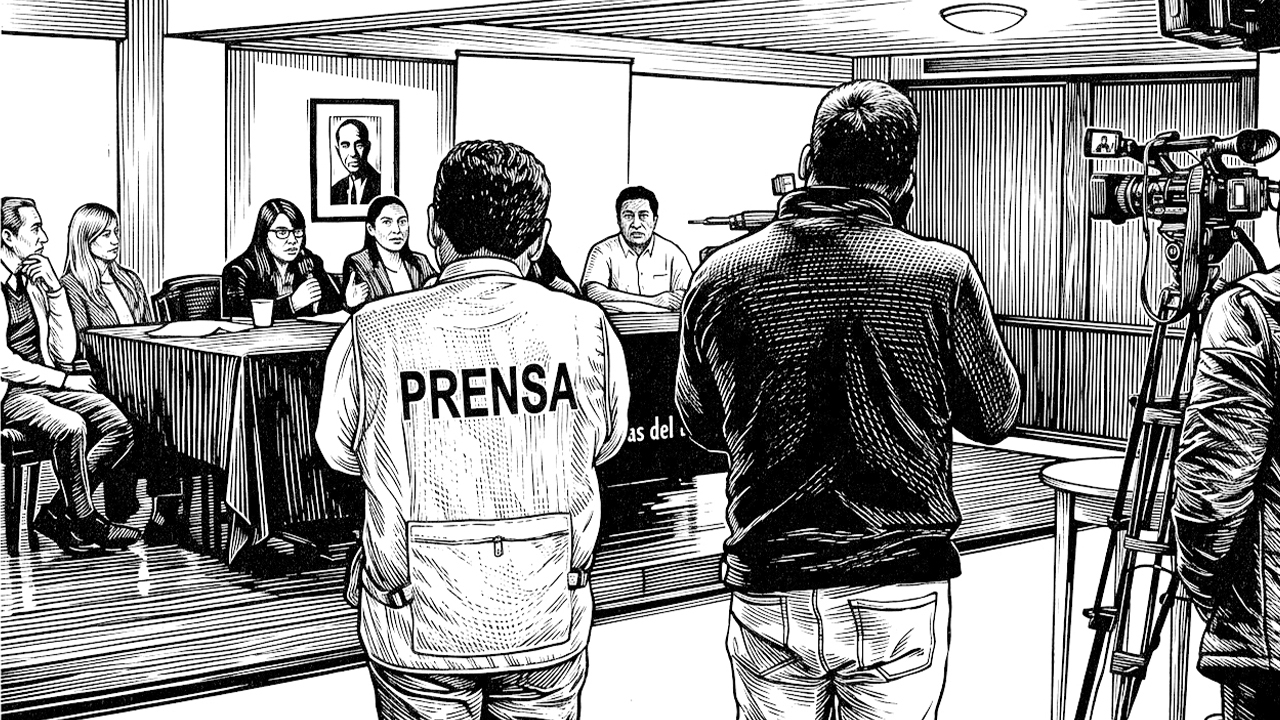
Writing in an opinion piece for Peruvian daily newspaper La República, Estrugo said the recent elections highlighted profound social divisions and differing visions for the country's politics, society, faith, and future. However, he emphasized that societal differences should be viewed as an opportunity for mutual understanding rather than a source of conflict.
Estrugo framed his comments around reflections from the International Symposium on Religious Freedom, held recently in Lima. The event brought together religious representatives and experts from nine countries to address the challenges facing freedom of religion and belief in increasingly polarized societies.
Call for interfaith dialogue
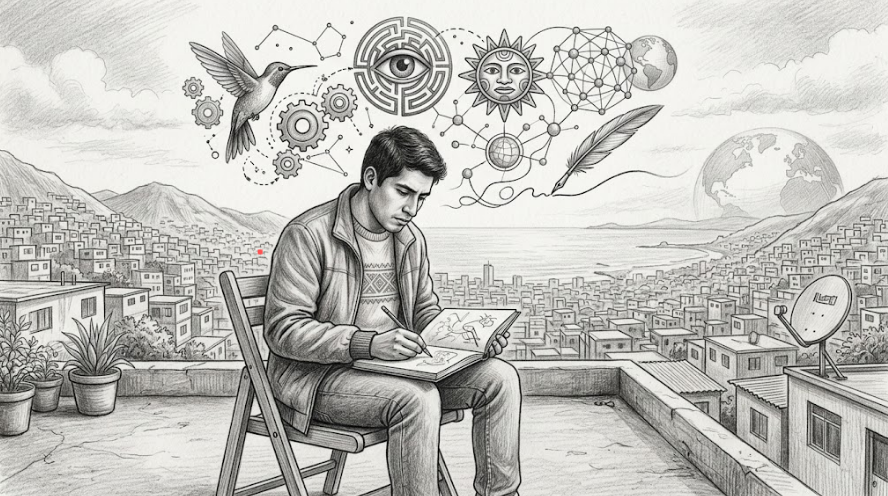
Estrugo, an experienced writer and news contributor who serves as vice president of the Interreligious Council of Peru - Religions for Peace, argued that a healthy democracy does not require uniform thinking. Instead, he stated that democratic strength relies on learning to listen to and value those with opposing views.
According to Estrugo, engaging with questioning perspectives can actually strengthen personal convictions. He noted that encountering different viewpoints helps individuals understand why they hold their beliefs, identifies ideas that require review, and provides new reasons to defend core values.
Speaking from a faith perspective, Estrugo acknowledged that while religious beliefs form a fundamental component of personal identity, no single group holds total truth regarding the human experience. He said that listening to others does not mean abandoning one's faith or relativizing convictions, but recognizing that valuable lessons can be learned from those with different beliefs.
He added that open listening often reveals that behind contrasting positions lie shared experiences, concerns, and core values that had not been previously considered.
Protecting rights and dignity
In times of heightened political polarization, Estrugo warned citizens against viewing disagreement as a personal threat. He said that when someone holds a different opinion or questions established ideas, it should not be interpreted as an attack on personal identity or an act of hostility.
To overcome polarization, Estrugo urged Peruvians to build a culture of dialogue focused on identifying central common ground. By working together on shared priorities, he said, communities can develop solutions that deliver significant social impact.
Estrugo emphasized that defending religious freedom in Peru is not solely the responsibility of faith organizations, describing it as a generous act of trust and a noble duty to protect the rights of others. He stressed that true religious freedom includes safeguarding the right to express faith for those with different beliefs, as well as those who believe in no divinity at all.
He noted that individuals do not need to share the same views to deserve full respect and admiration. Openness to dialogue, he added, requires the maturity and firmness to listen without fear.
Estrugo defined a mature democracy as one where citizens can come together despite their differences, rather than one where differences vanish. He concluded that freedom of expression, religion, and worship serve as essential measures of respect for human dignity, which must guide Peru's national reflection on its future.
Institutional context
The Interreligious Council of Peru - Religions for Peace brings together diverse faith communities across the South American country to promote interfaith cooperation, social harmony, and human rights. It is affiliated with Religions for Peace, an international multi-religious coalition operating globally.
Lima, the host city of the recent international symposium, is the capital of Peru and its primary political and cultural center. La República is a major daily newspaper based in Lima that covers Peruvian politics, national news, and global affairs.