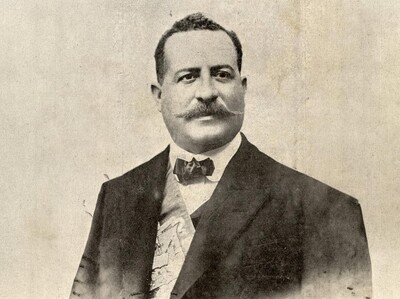
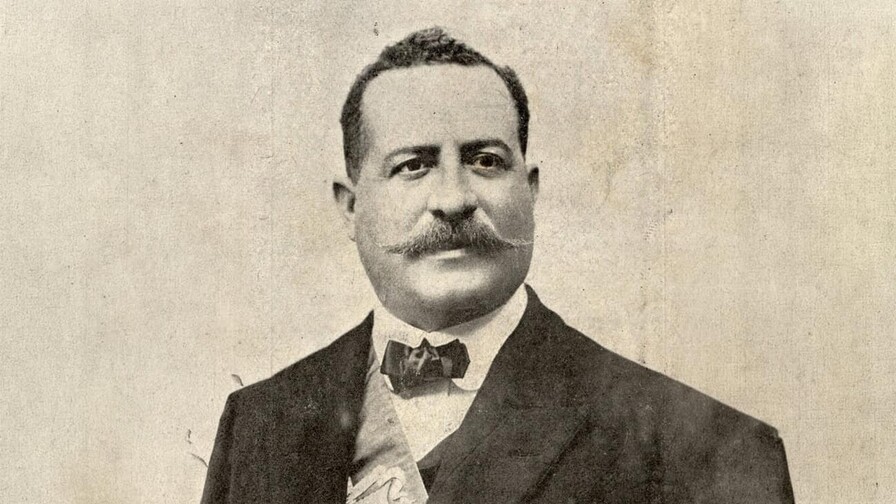
Dominican President Ramón Cáceres, popularly known as Mon Cáceres, was ambushed and killed in Santo Domingo on November 19, 1911, during a political conspiracy.
The president left the official residence accompanied by collaborators for what appeared to be a routine route before attackers struck. Luis Tejera led the group of conspirators who executed the plot, wounding Cáceres mortally during the assault.
Cáceres had served as president of the Caribbean nation since 1906, taking office after years of instability, rivalries among regional warlords, and struggles for political control. His administration worked to restore order to public finances, strengthen central state authority, and curb the power of regional leaders who had conditioned Dominican political life for decades.
Rise to Power and Political Enemies
Before assuming the presidency, Cáceres had participated in one of the defining events of Dominican history: the 1899 execution of dictator Ulises Heureaux, known as Lilís. That action established Cáceres as a figure of significant political and military influence.
However, the leader who helped bring down a dictatorship ultimately fell victim to political violence. During his administration, policies designed to centralize government power created enemies among factions that felt their political, economic, and military interests were threatened.
Tension grew steadily until it erupted in the fatal ambush. In the Dominican political environment of the era, power was contested not only through elections but also through armed plots, conspiracies, and the physical elimination of political opponents.
Aftermath and Military Occupation
The death of Cáceres opened a new period of severe instability across the nation. The loss of executive leadership plunged the Dominican Republic into renewed political conflicts and institutional collapse.
These escalating internal struggles disrupted governance and contributed directly to the crisis that preceded the 1916 United States military occupation of the country.
More than a century later, the legacy of Mon Cáceres remains tied to a central contradiction in Dominican political history: leaders who entered power promising to build state institutions often became trapped in the culture of violence they aimed to overcome.