Consumer prices in Poland rose to a preliminary 4 percent year-on-year in September, reaching their highest level since mid-2025 following a sharp surge in fuel costs, Bloomberg reported.
The acceleration from August, when annual inflation stood at 3.4 percent, comes as escalation between the United States and Iran drove crude oil prices up by approximately 12 dollars per barrel this month. Poland relies heavily on imported energy, making its economy particularly sensitive to international oil price spikes.
Political deadlock over fuel relief
In response to rising energy costs, the government of Prime Minister Donald Tusk removed fuel price caps. However, political efforts to buffer motorists from price spikes hit a wall in Warsaw.
Attempts by Tusk's administration to levy a windfall profit tax on energy companies and deploy the revenue for targeted financial aid to drivers were blocked by President Karol Nawrocki, who maintains close ties to the political opposition. Under Poland's constitutional framework, the presidential office holds veto authority over parliamentary legislation.
Central bank pressure and interest rates
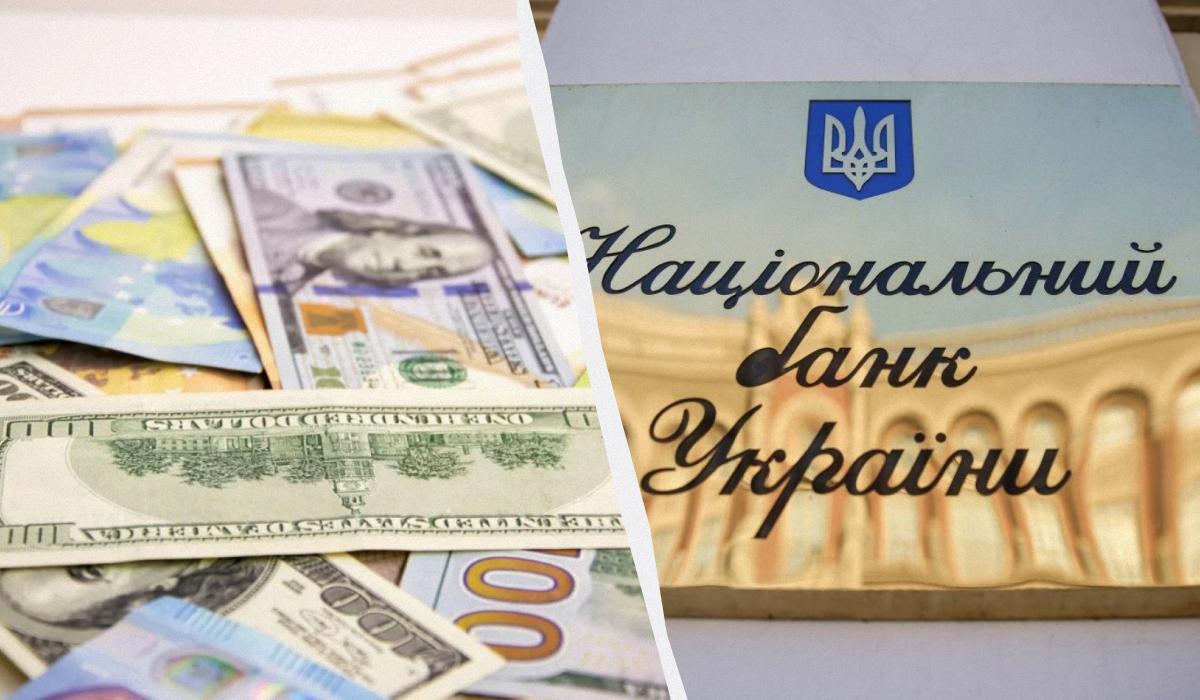
The inflation jump pushes consumer price growth above the official tolerance band set by the National Bank of Poland, which targets 2.5 percent with a margin of plus or minus one percentage point. The breach intensifies pressure on monetary authorities to consider tightening policy to curb inflation.
Analysts at London-based brokerage JB Drax Honore warned that without price controls on fuel or a drop in broader energy markets, both headline and core inflation should continue to accelerate in coming months and remain outside the target range for several quarters.
Adam Glapiński, the governor of Poland's central bank, predicted that benchmark interest rates would remain unchanged at 3.75 percent for the remainder of this year and potentially through the middle of next year. The central bank has maintained borrowing costs to balance economic stability and price pressures in Central Europe.
Discussions regarding potential interest rate hikes could nevertheless begin next month. The central bank may consider formal rate adjustments in November if updated internal economic forecasts show inflation remaining above 4 percent over an extended period.
Economic contribution of Ukrainian workers
Separately, Poland's Ministry of Foreign Affairs reported that Ukrainian citizens residing in the country have significantly strengthened the national economy, contributing an estimated 2.7 percent to Polish gross domestic product growth following mass displacement in recent years.
Despite their macroeconomic contribution, Ukrainian job seekers in Poland increasingly encounter opaque employment conditions, with workplace issues and contract discrepancies sometimes coming to light only several months after taking up employment.